A bathroom remodel can be anything from a quick cosmetic refresh to a full renovation involving new plumbing, electrical work, and a changed floor plan. That range makes it difficult to answer the first question most homeowners ask: How much will my bathroom remodel cost?
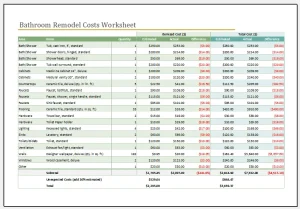 A bathroom remodel cost calculator can help you build a realistic preliminary budget. By entering details such as bathroom size, project scope, materials, and location, you can get an estimate to guide your planning. It won’t replace contractor quotes, but it can help you compare options, spot major cost drivers, and decide where to spend—or save.
What Is a Bathroom Remodel Cost Calculator?
A bathroom remodel cost calculator is an online budgeting tool that estimates renovation expenses based on information you provide. Depending on the tool, it may ask about:
- Bathroom size and layout
- Project type, such as a cosmetic update or full renovation
- Fixtures, finishes, and material quality
- Whether plumbing or electrical work is needed
- Labor costs in your area
- Demolition, permits, and disposal
The calculator applies typical costs or regional data to those choices and produces an approximate project total. Some tools also break the estimate into categories, making it easier to see how costs may be distributed.
Because calculators use different assumptions and data, results can vary. Treat them as an early planning aid—not a bid or guaranteed price.
Why Use a Calculator Before Remodeling?
Set a preliminary budget
An estimate can help you decide whether your desired scope fits your available budget. If it doesn’t, you can adjust the project before committing to purchases or hiring a contractor.
Compare different project scopes
Try estimating a few versions of the remodel:
- Replace finishes and fixtures without moving them.
- Upgrade the shower, vanity, flooring, and lighting.
- Change the layout or move plumbing.
- Complete a full renovation, including new surfaces and systems.
Comparing scenarios can show how much of the budget is tied to your design choices and how much comes from labor-intensive work.
Identify likely cost drivers
A calculator can highlight the choices that may have the greatest effect on your total—often the project’s scope, materials, labor, and whether the layout changes.
Prepare for contractor conversations
A preliminary estimate gives you a starting point for discussing priorities and trade-offs. It can also help you prepare questions about what a contractor’s quote includes.
The Main Factors That Affect Bathroom Remodel Cost
Project scope
The scope of work is one of the most important inputs. A cosmetic update—such as repainting, changing hardware, or replacing a mirror—generally involves fewer tasks than removing tile, replacing a tub, or rebuilding a shower.
A full renovation may also involve work behind the visible surfaces. For example, damaged subflooring, outdated wiring, or hidden leaks can add work that wasn’t apparent when you first planned the project.
Bathroom size and layout
A larger bathroom may require more flooring, wall tile, paint, and other materials. But size alone doesn’t determine cost: a compact bathroom with custom tile or major plumbing changes can be more involved than a larger room with straightforward finishes.
Keeping plumbing fixtures near their current locations may help limit the amount of plumbing work. Moving a toilet, shower, or sink can require changes to water supply and drain lines, as well as additional labor.
Materials and fixtures
Prices vary widely across materials and products. A standard vanity, basic tile, and readily available fixtures will usually lead to a different estimate than custom cabinetry, specialty tile, or premium fittings.
When comparing options, look beyond the product’s purchase price. Installation complexity, trim pieces, underlayment, waterproofing, and delivery can also affect the final cost.
Labor and local conditions
Labor rates vary by location and by trade. A project may involve a general contractor, plumber, electrician, tile installer, painter, and other professionals. The availability of skilled trades and the complexity of the work can affect both price and schedule.
Permits and building requirements
Some projects require permits or inspections, particularly when they involve structural changes or alterations to plumbing or electrical systems. Requirements differ by location, so check with your local building department or ask your contractor what applies to your project.
Repairs discovered during demolition
Once walls, floors, or fixtures are removed, contractors may uncover problems that weren’t visible during the initial estimate. Water damage, mold, deteriorated framing, or outdated systems can require repairs before the remodel can continue.
A calculator generally can’t predict these hidden conditions. This is one reason to avoid budgeting every available dollar for planned finishes.
How to Use a Bathroom Remodel Cost Calculator
For a more useful estimate, gather a few details before entering information.
1. Define the project
Write down what you plan to replace, what you plan to keep, and whether you want to change the layout. Be specific about major items such as the tub or shower, vanity, toilet, flooring, and lighting.
2. Measure the bathroom
Record the room’s approximate length and width, along with the size of areas that will receive tile or other finishes. If the calculator asks for bathroom type—such as powder room, guest bath, or primary bath—select the closest match.
3. Choose realistic material levels
Select material and fixture options that reflect your likely choices. If you’re undecided, run more than one estimate—for example, one with basic finishes and another with midrange or premium selections.
4. Include labor-intensive changes
Indicate whether you’ll move plumbing, alter walls, install a custom shower, or make electrical changes. These decisions can have a substantial effect on the estimate.
5. Review the breakdown
If the calculator provides a cost breakdown, look for categories that may be missing or underestimated. Check whether demolition, disposal, permits, delivery, finish work, and professional fees are included.
6. Compare estimates and get quotes
Use the calculator’s result as a planning reference. Then request detailed estimates from qualified contractors who can assess the actual space and clarify what is included in their proposals.
How to Make Sense of the Estimate
A calculator result is most useful when you understand its limits. Before relying on the number, ask:
- Does it estimate labor as well as materials?
- Does it use local pricing or national averages?
- Does it include demolition and debris disposal?
- Does it account for permits, design, or contractor fees?
- Does it include repairs to hidden damage?
- Is the estimate based on the project scope I actually want?
If any of these items are unclear, treat the estimate as incomplete and adjust your planning accordingly. It can also help to compare several calculators, but don’t assume that the highest or lowest result is automatically the most accurate. Different tools may define a “remodel” differently.
Budgeting Tips for a More Predictable Remodel
Prioritize what matters most
Decide which features are essential and which are flexible. You might prioritize a more durable shower while choosing a simpler mirror or light fixture.
Keep the existing layout when practical
If the current layout works, retaining fixture locations may reduce the need for plumbing changes. Have a contractor confirm what is feasible before making design decisions.
Get itemized contractor estimates
Ask contractors to separate major categories such as demolition, plumbing, electrical, tile, fixtures, and finishing work. An itemized estimate makes it easier to compare proposals and understand differences in scope.
Plan for surprises
Renovations can expose problems that were hidden before demolition. Set aside a contingency amount based on your project’s age, condition, and uncertainty, and discuss how unexpected work will be approved and priced.
Check product availability early
Special-order materials or backordered fixtures can affect the schedule. Confirm delivery timing and compatibility before work begins, especially for products that influence the layout or installation sequence.
Common Mistakes to Avoid
- Treating the calculator as a contractor quote. An online estimate can’t inspect your bathroom or confirm what’s behind the walls.
- Underestimating labor. Installation can be a major part of a project, especially for tile, custom work, and plumbing changes.
- Forgetting secondary costs. Delivery, disposal, permits, and finishing details may not be included in a calculator’s headline figure.
- Choosing products before confirming measurements. A fixture that looks right online may not fit the room or work with existing plumbing.
- Spending the whole budget on planned upgrades. Hidden repairs and changes during construction can raise the final cost.
Sources and Further Reading
- U.S. Environmental Protection Agency (EPA), WaterSense: Information on water-efficient bathroom fixtures and products: epa.gov/watersense
- U.S. Department of Energy: Guidance on energy-efficient lighting and home improvements: energy.gov
- National Association of Home Builders (NAHB): Home remodeling and construction industry resources: nahb.org
- Your local building department: The best source for location-specific permit and inspection requirements.
These sources provide general guidance and background. For project-specific costs, local requirements, and product suitability, consult local professionals and your building department.
Conclusion
A bathroom remodel cost calculator is a useful first step—not the final word on your project budget. Use it to compare scopes, test material choices, and identify questions to ask contractors. Then refine the estimate with local, itemized quotes and a realistic allowance for unexpected repairs.
The more accurately you define your plans before work begins, the easier it is to make informed trade-offs and keep the remodel aligned with your priorities.