A vehicle log book is more than a place to jot down when you changed the oil. Kept consistently, it can help you stay on top of maintenance, understand what your vehicle really costs to run, document business use, and give a future buyer confidence in its history.
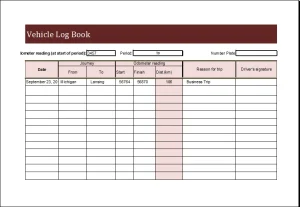 The term vehicle log book can mean different things depending on where you live. It may refer to a maintenance and mileage record, an official vehicle registration document, or a log used to substantiate business-related travel. This guide focuses mainly on the practical record of a vehicle’s use and upkeep, while explaining where official and tax records fit in.
What Is a Vehicle Log Book?
A vehicle log book is a dated record of information about a vehicle. Depending on its purpose, it may include:
- Odometer readings and trip details
- Fuel purchases and operating costs
- Servicing, repairs, and inspections
- Parts and fluids used
- Accidents, damage, or warning lights
- Registration and insurance details
- Business and personal travel information
A log book may be kept on paper, in a spreadsheet, or in a mobile app. The best format is the one you can maintain accurately and access when you need it.
Important: In some countries, “log book” is also the name for an official registration or ownership document. A maintenance log is not a substitute for that document, and neither is automatically a substitute for tax records required by your local authority.
Why Keep a Vehicle Log Book?
1. Stay ahead of maintenance
A log makes it easier to see when a vehicle was last serviced and what was done. That can help you plan routine work, identify recurring problems, and avoid relying on memory.
Manufacturer maintenance schedules vary by vehicle, model year, engine, and driving conditions. Use the owner’s manual or manufacturer guidance as the source for service intervals; a generic schedule may not suit your vehicle.
2. Build a useful ownership history
A complete record gives you a timeline of services, repairs, and inspections. If you sell the vehicle, organized documentation can help a prospective buyer understand how it was cared for. It does not guarantee a particular resale value, but it can make the history easier to verify.
3. Understand the true cost of driving
Fuel is only one part of vehicle ownership. Logging expenses such as servicing, repairs, insurance, registration, parking, and tolls can help you see where your money goes and plan for upcoming costs.
4. Support business-use records
If you use a vehicle for work, a log may help separate business travel from personal use. Tax authorities have specific rules about what counts as a valid record, how long it must be kept, and what details it must contain. Requirements differ by jurisdiction, so check the guidance that applies to you rather than assuming that an ordinary maintenance log is sufficient.
For example, the Australian Taxation Office describes a logbook method for working out the business-use percentage of a car, subject to specific requirements and record-keeping rules. In the United States, the Internal Revenue Service sets documentation rules for vehicle expenses and business use, including substantiation requirements. These are jurisdiction-specific examples, not universal rules. [1][2]
What to Include in a Vehicle Log Book
A useful log book should capture enough information to answer two questions: What happened? and When did it happen?
Basic vehicle details
Record the information that identifies the vehicle:
- Make, model, and model year
- Vehicle identification number (VIN)
- Registration or license plate number
- Date purchased and, if relevant, purchase mileage
- Engine or fuel type, if useful for your records
Keep sensitive information secure. You generally do not need to write personal account or payment details in a log.
Mileage and trip details
For routine use, you may record the date and odometer reading at each entry. For a trip record, consider including:
- Date of travel
- Starting and ending odometer readings
- Start and destination
- Purpose of the trip
- Whether it was personal, business, or another type of use
If the record is for tax or reimbursement purposes, follow the exact requirements of the relevant authority or employer. A note such as “client meeting” may not be enough if more detail is required.
Maintenance and repair entries
For every service or repair, note:
- Date and odometer reading
- Work performed
- Parts, fluids, or components replaced
- Name of the repair shop or person who did the work
- Cost and receipt or invoice reference
- Any follow-up work recommended
Be specific. “Service” is less useful than “engine oil and filter replaced; tires rotated; brake inspection completed.”
Fuel and other running costs
Depending on your goals, track:
- Fuel quantity and cost
- Charging costs for an electric vehicle
- Oil, tires, and other consumables
- Parking and tolls
- Insurance, registration, and inspection costs
- Repairs and roadside assistance
You do not have to record every cost in a maintenance log, but keeping a separate expense record can make budgeting and reporting easier.
Problems and incidents
Record warning lights, unusual sounds, breakdowns, damage, and accident-related repairs. Include when the issue first appeared, what happened, and how it was resolved. A dated note can help a mechanic identify whether a problem is recurring.
How to Keep a Log Book That You’ll Actually Use
Choose a format
Paper log book: Simple and usable without a device, but it can be lost or damaged.
Spreadsheet: Easy to sort, search, and total costs. It can be backed up, though you will need to enter information yourself.
Mobile app: Convenient for recording trips and reminders. Check what data the app collects, whether it exports your records, and whether you can keep a copy if you stop using it.
A hybrid system works well for many people: keep digital records for everyday entries and save important invoices as scanned files or photographs.
Make entries promptly
Record trips, fuel, and maintenance as soon as practical. Delayed entries are easier to forget and harder to verify. For business or tax records, contemporaneous notes may be particularly important under applicable rules.
Be consistent
Use the same units, categories, and labels each time. For example, do not alternate between “service,” “maintenance,” and “repair” if you need to compare totals later. Consistent entries make the log more useful.
Keep supporting documents
Save receipts, invoices, inspection reports, and warranty paperwork with the relevant log entry. A log provides a summary; supporting documents can show the details behind it.
Back up digital records
Store a copy in a secure cloud account or another location separate from your phone or computer. Periodically export the data to a common format, such as PDF or CSV, so it remains accessible if an app changes or closes.
Separate facts from estimates
If you do not know an exact figure, label it as an estimate. Do not present reconstructed or estimated information as if it were recorded at the time. This distinction matters for personal accuracy and may matter even more for official reporting.
Vehicle Log Books and Business Travel
A business-use log can be more demanding than a personal maintenance record. Depending on local rules, you may need to document specific trips, keep records for a defined period, or use an approved method to calculate business use.
Before relying on a log for a tax deduction or reimbursement:
- Check the current rules for your country or region.
- Confirm which trips qualify as business travel.
- Record required details at the time of travel.
- Keep receipts and other supporting evidence.
- Retain records for the required period.
- Ask a qualified tax professional if your situation is complex.
For instance, the IRS’s guidance on car expenses explains that taxpayers generally need records to substantiate business use and expenses, while the ATO sets specific conditions for its car logbook method. The rules and terminology differ, so do not apply one country’s requirements to another. [1][2]
Digital Log Books: Benefits and Limitations
Digital tools can make a vehicle log easier to search and maintain. Some can prompt you to enter a trip, calculate distances, or send service reminders. These conveniences are useful, but an app does not automatically make a record complete or compliant.
Before choosing one, consider:
- Export options: Can you download your data?
- Privacy: Is location data collected or shared?
- Accuracy: Can you correct mistakes and add notes?
- Offline access: Can you record information without a signal?
- Evidence: Can receipts and invoices be attached?
- Longevity: Can you access records if you change phones or subscriptions?
Review automatically recorded trips. A device may misclassify a journey, fail to capture a destination, or record a route that does not reflect the trip’s purpose.
Common Mistakes to Avoid
- Recording only major repairs: Small services and recurring problems can be valuable parts of the history.
- Leaving entries until the end of the month: Delays increase the risk of missing or inaccurate information.
- Writing vague descriptions: Specific notes are easier to understand later.
- Mixing personal and business travel without clear labels: This can make totals difficult to verify.
- Discarding receipts too soon: Retention periods vary, especially for tax records.
- Assuming an app is automatically compliant: You remain responsible for meeting applicable rules.
- Confusing a maintenance log with official paperwork: Keep registration, ownership, insurance, and inspection documents as required in your area.
A Simple Vehicle Log Book Template
You can start with a table like this:
| Date | Odometer | Entry type | Details or trip purpose | Cost | Supporting document |
|---|---|---|---|---|---|
| 15 March 2026 | 42,180 | Maintenance | Oil and filter replaced; tire pressure checked | $___ | Invoice 1042 |
| 18 March 2026 | 42,236 | Trip | Home to supplier and return; business visit | — | Trip record |
| 20 March 2026 | 42,310 | Fuel | 38 L of petrol | $___ | Receipt |
Adapt the columns to your needs. If the log is for an official, tax, or employer process, use the required format and include all prescribed details.
Conclusion
A vehicle log book is a simple tool with several practical uses: it can help you organize maintenance, track running costs, understand how a vehicle is used, and preserve a clear ownership history. The key is to keep entries accurate, specific, and timely, and to save supporting documents alongside them.
Start with a format you will use consistently. Record the basics after every service, keep mileage and expenses organized, and check local requirements before using the log for tax, reimbursement, or other official purposes.
Sources
- Australian Taxation Office, “Logbook method” and related guidance on car expenses: ato.gov.au
- U.S. Internal Revenue Service, Publication 463: Travel, Gift, and Car Expenses: irs.gov/publications/p463
- Your vehicle’s owner’s manual and manufacturer maintenance schedule. Service requirements vary by vehicle; consult the documentation for your specific model.