A maintenance invoice may look like a simple bill, but it does more than request payment. It documents work performed, parts used, time spent, and the amount due—giving customers a clear record of a repair or service and helping businesses keep their operations organized.
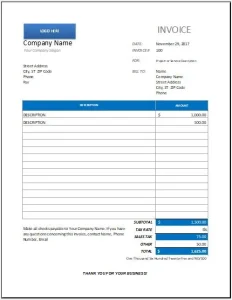 Whether you manage rental properties, oversee equipment, run a repair business, or simply need to understand a service bill, knowing how maintenance invoices work can help prevent misunderstandings and make it easier to track costs. Here’s what a maintenance invoice should include, how to review one, and how to create a process that works for both service providers and customers.
What Is a Maintenance Invoice?
A maintenance invoice is a document issued by a service provider to request payment for maintenance, repair, inspection, or related work. It records the services supplied and the charges associated with them.
The term covers many kinds of work, including:
- Routine property maintenance, such as plumbing or HVAC servicing
- Vehicle repairs and scheduled servicing
- Equipment inspection and repair
- Landscaping and groundskeeping
- Building maintenance and cleaning
- Preventive maintenance under a service agreement
An invoice is generally a request for payment, while a receipt confirms that payment has already been made. A work order, meanwhile, typically authorizes or describes the work before it is completed. Organizations may use all three documents as part of the same job.
Why Maintenance Invoices Matter
A well-prepared invoice is useful to everyone involved.
For service providers
Invoices help businesses:
- Request payment clearly and consistently
- Keep a record of completed work and associated costs
- Reconcile income with accounting records
- Identify overdue balances
- Support tax and bookkeeping processes
Consistent invoicing also helps a business explain what a customer is being charged for, rather than presenting an unexplained total.
For customers and property owners
A detailed invoice can help customers:
- Understand which work was performed
- Check labor, parts, taxes, and other charges
- Compare the final bill with an estimate or approved work order
- Track repairs and maintenance over time
- Support reimbursement, budgeting, or property records
For landlords and facilities managers, invoices can also contribute to a longer-term record of building or equipment upkeep.
What to Include on a Maintenance Invoice
Invoice requirements vary by location and business type, but a useful maintenance invoice usually includes the following information.
1. Provider and customer details
Include the service provider’s business name and contact information, along with the customer’s name and billing address. If the service took place at a different location, list the service address separately.
2. Invoice number and dates
Give the invoice a unique number so it can be identified in emails, payment records, and accounting systems. Include:
- The invoice issue date
- The date or date range when the work was performed
- The payment due date
Clear dates help both parties connect the bill with the relevant job.
3. Description of work
Describe the work in plain language. For example, instead of writing “HVAC service,” specify the tasks completed, such as inspecting the system, replacing a filter, and testing operation.
Where appropriate, include the equipment or area serviced—for example, a unit number, vehicle identification, appliance model, or piece of machinery.
4. Labor and parts
Show how the total was calculated. This might include:
- Labor hours and hourly rates
- Fixed service or call-out fees
- Parts, materials, or replacement components
- Quantities and unit prices
- Travel or disposal charges, if applicable
A clear breakdown makes it easier to review the invoice and resolve questions.
5. Taxes, discounts, and total due
List applicable taxes and any discounts or credits as separate line items. Then show the final amount due prominently. Tax rules differ by jurisdiction, so businesses should confirm which taxes apply to their services and how they need to be displayed.
6. Payment terms and methods
State when payment is due and how it can be made. Include any relevant terms, such as an accepted payment method or a late-payment policy. If payment is already complete, label the invoice as paid and record the payment date.
7. Supporting notes
Depending on the job, useful supporting details may include:
- A reference to an estimate, work order, or service contract
- A summary of findings or recommended follow-up work
- Warranty information
- Before-and-after photos or inspection notes
- The name of the technician who completed the work
Avoid including unnecessary personal information. Keep records relevant to the service and handle customer data responsibly.
Maintenance Invoice vs. Estimate, Work Order, and Receipt
These documents can be easy to confuse:
- Estimate: An expected cost shared before the work begins. The final amount may differ if the scope changes, but the provider should explain and obtain approval for significant changes.
- Work order: Instructions or authorization for a job, often including the location, requested work, and assigned technician.
- Invoice: A request for payment for work or goods supplied.
- Receipt: Proof that payment was received.
A useful process connects these records. For example, an approved estimate may lead to a work order, followed by an invoice after the job is completed and a receipt once payment is made.
How to Review a Maintenance Invoice
Before paying—or sending an invoice—check it against the related job records.
- Confirm the parties and service location. Make sure the invoice is addressed to the right person or organization and identifies the correct property, vehicle, or equipment.
- Match the work to the approved scope. Compare the description with the estimate, work order, or service agreement.
- Review quantities and rates. Check labor hours, parts, unit prices, and any additional fees.
- Look for approval of extra work. If the work expanded beyond the original scope, look for documentation of the change and its approval.
- Check arithmetic and tax. Confirm that subtotals, discounts, taxes, and the final total are consistent.
- Verify payment terms. Note the due date and the payment method.
- Keep a copy. Store the invoice with related estimates, work orders, receipts, and maintenance records.
If something is unclear, ask for an itemized explanation before treating the matter as resolved. For businesses, a documented review and approval process can reduce duplicate payments and catch errors early.
Best Practices for Creating and Managing Invoices
Use consistent descriptions
Use a repeatable format for service descriptions and line items. Consistency makes invoices easier to understand and compare across jobs.
Number invoices sequentially
A unique numbering system makes it simpler to locate a particular invoice and reconcile it with payments. Avoid reusing invoice numbers.
Send invoices promptly
Issuing invoices soon after work is completed helps keep records current and reduces the chance that details will be forgotten.
Make changes traceable
When the scope or price changes, record what changed, why it changed, and who approved it. This is especially valuable for jobs involving multiple visits or unexpected repairs.
Keep related records together
Store invoices alongside estimates, work orders, contracts, service notes, and payment confirmations. A digital folder or accounting system can make those records easier to retrieve.
Use templates carefully
An invoice template can save time, but it should still be customized for the job. Verify the customer details, service dates, descriptions, charges, and payment terms before sending it.
Protect sensitive information
Invoices and supporting documents may contain contact or business information. Limit access to people who need it, and follow applicable privacy, retention, and recordkeeping requirements.
Common Maintenance Invoice Mistakes
Small oversights can lead to delayed payment or avoidable disputes. Common problems include:
- Vague descriptions such as “repair work”
- Missing service dates or location details
- A total with no itemized breakdown
- Charges that do not match the approved estimate
- Unclear payment terms
- Duplicate or missing invoice numbers
- Incorrect customer or billing information
- Missing documentation for extra work
A short review checklist before sending or paying an invoice can catch many of these issues.
Conclusion
A maintenance invoice is both a payment request and a record of work performed. When it clearly identifies the customer, service, dates, labor, parts, taxes, and payment terms, it helps service providers get paid and gives customers a practical way to review and document maintenance costs.
The best approach is to connect each invoice to the estimate or work order, describe the work specifically, itemize charges, and keep the supporting records together. These habits make maintenance spending easier to understand and manage over time.
Sources
- Internal Revenue Service, Publication 583: Starting a Business and Keeping Records — guidance on business recordkeeping: https://www.irs.gov/publications/p583
- U.S. Small Business Administration, Manage your finances — small-business financial management resources: https://www.sba.gov/business-guide/manage-your-business/manage-your-finances
- UK Government, VAT invoices — information on invoice details for VAT-registered businesses: https://www.gov.uk/vat-record-keeping/vat-invoices
- European Commission, VAT invoicing rules — overview of EU invoicing requirements: https://taxation-customs.ec.europa.eu/taxation/vat/vat-businesses/invoicing_en
Invoice and tax requirements differ by jurisdiction and circumstance. Consult the relevant tax authority or a qualified professional for guidance specific to your situation.