Weekly Lesson Plan Template For Teachers
Weekly Lesson Plan Template: A Teacher’s Essential Guide
Effective lesson planning is the cornerstone of successful teaching. A well-structured weekly lesson plan template provides a roadmap for teachers, ensuring that learning objectives are met, activities are engaging, and assessment is aligned with the curriculum. This guide explores the benefits of using a weekly lesson plan template and outlines the key components for creating an effective one.
Why Use a Weekly Lesson Plan Template?
Using a consistent template offers several advantages: * **Organization and Efficiency:** A template provides a structured framework, saving time and effort in planning. Teachers don’t have to reinvent the wheel each week but can focus on adapting the plan to specific student needs and curriculum requirements. * **Alignment with Standards:** A template ensures that lessons are aligned with relevant learning standards (e.g., Common Core, state standards). This guarantees that students are learning the required content and skills. * **Clarity and Consistency:** A template provides a clear and consistent structure for each lesson, making it easier for teachers to track progress and identify areas that need adjustment. It also allows for easier collaboration with colleagues and sharing of lesson plans. * **Student-Centered Learning:** A good template prompts teachers to consider student needs, differentiate instruction, and incorporate diverse learning activities. * **Improved Classroom Management:** A well-planned lesson translates to a more focused and engaged classroom, minimizing disruptions and maximizing learning time. * **Reflection and Improvement:** Templates facilitate reflection on what worked well and what could be improved in each lesson, contributing to continuous professional growth.
Key Components of a Weekly Lesson Plan Template
A comprehensive weekly lesson plan template typically includes the following elements:
1. General Information:
* **Subject/Course:** Clearly identify the subject or course for which the plan is designed (e.g., 8th Grade Math, AP US History). * **Grade Level:** Specify the grade level of the students. * **Week Number/Dates:** Indicate the week number and the dates covered by the plan. This helps in tracking progress throughout the academic year. * **Teacher Name:** Record the name of the teacher responsible for the lesson plan.
2. Learning Objectives/Goals:
* **Learning Objectives:** Clearly state what students will be able to know, understand, and do by the end of the week. These should be specific, measurable, achievable, relevant, and time-bound (SMART). Use action verbs like “analyze,” “evaluate,” “explain,” “compare,” etc. * **Learning Standards:** List the relevant learning standards that the week’s lessons address. These can be national, state, or local standards.
3. Materials and Resources:
* **Textbooks:** List the textbooks used for the lessons. * **Worksheets/Handouts:** Specify any worksheets or handouts that will be used. * **Technology:** Note any technology required, such as computers, projectors, interactive whiteboards, or specific software. * **Manipulatives:** Include any physical objects or tools used for hands-on activities (e.g., blocks, counters, rulers). * **Online Resources:** List websites, videos, or other online resources that will be used. * **Other Materials:** Specify any other materials needed, such as art supplies, science equipment, or musical instruments.
4. Weekly Schedule (Daily Breakdown):
This section outlines the specific activities and content for each day of the week. It’s typically organized in a table format with columns for: * **Day:** (Monday, Tuesday, Wednesday, Thursday, Friday) * **Topic:** The main topic or concept covered on that day. * **Activities/Procedures:** A detailed description of the activities and procedures for each day, including: * **Warm-up/Review:** A brief activity to activate prior knowledge and prepare students for the lesson. * **Instruction/Direct Teaching:** The teacher’s explanation of the concepts. * **Guided Practice:** Activities where students practice the concepts under the teacher’s guidance. * **Independent Practice:** Activities where students practice the concepts on their own. * **Group Work/Collaboration:** Activities where students work together in groups. * **Differentiation:** Strategies for modifying instruction to meet the needs of diverse learners. * **Assessment:** How student learning will be assessed on that day. This could include: * **Formative Assessment:** Ongoing assessment to monitor student understanding and provide feedback (e.g., observations, questioning, quick checks). * **Summative Assessment:** Assessment at the end of a unit or lesson to evaluate student learning (e.g., quizzes, tests, projects).
5. Differentiation Strategies:
* **For Struggling Learners:** Describe modifications or accommodations for students who are struggling with the material. This might include simplified instructions, additional support, or alternative assignments. * **For Advanced Learners:** Describe enrichment activities or challenges for students who are ready for more advanced work. This might include independent research, project-based learning, or higher-level thinking activities.
6. Assessment:
* **Types of Assessment:** Specify the types of assessments used throughout the week (e.g., formative, summative, performance-based). * **Assessment Tools:** List the specific tools used for assessment (e.g., quizzes, tests, rubrics, checklists). * **Assessment Criteria:** Outline the criteria used to evaluate student work.
7. Reflection and Notes:
* **What Went Well:** A space to reflect on what worked well in the lessons. * **Areas for Improvement:** A space to identify areas that need improvement in future lessons. * **Notes:** Any other notes or observations about student learning, classroom management, or lesson effectiveness.
Example Snippet of a Daily Breakdown:
| Day | Topic | Activities/Procedures | Assessment |
|---|---|---|---|
| Monday | Introduction to Fractions | Warm-up: Review of basic division. Instruction: Introduce the concept of fractions using visual aids. Guided Practice: Students practice identifying fractions using manipulatives. Independent Practice: Worksheet on identifying fractions. | Observation of student participation in guided practice. Worksheet completion. |
Customizing the Template
The template outlined above is a general framework. Teachers should customize it to meet their specific needs and teaching style. Considerations include: * **Subject Matter:** Adapt the template to reflect the specific requirements of the subject being taught. For example, a science lesson plan might include a section for lab safety procedures. * **Student Population:** Consider the unique needs and learning styles of the students in the class. * **School/District Policies:** Ensure that the template aligns with school and district policies.
Conclusion
A well-designed weekly lesson plan template is an invaluable tool for teachers. By providing a structured framework for planning, it promotes organization, efficiency, and alignment with learning standards. Regular use and adaptation of a template can significantly improve teaching effectiveness and student learning outcomes. Remember to regularly reflect on your lesson plans and make adjustments as needed to ensure that your lessons are meeting the needs of all your students.
 585×438 weekly lesson plan template word excel format from www.template.net
  480×640 teacher weekly lesson plan template simple template design from pictimilitude.com
  350×270 weekly lesson plan template editable teacher feature tpt from www.teacherspayteachers.com
  585×444 weekly lesson plan template word format from www.template.net
  900×1200 teaching career teaching style teaching ideas parent teacher from www.pinterest.com
  270×350 weekly planning template teachers elegant editable weekly lesson from www.pinterest.com
  2300×4500 weekly teaching planner template teachers weekly lesson plan book from www.pinterest.com
  2500×2000 lesson plan template teachers weekly lesson plan lesson etsy from www.etsy.com
  2048×1448 weekly lesson plan template weekly lesson plan template lesson from www.vrogue.co
  1080×1080 weekly lesson plan template template educators homeschool planner from www.etsy.com
  800×800 teacher weekly lesson plan template from lesboucans.com
  350×350 editable weekly teacher lesson plan template google drive from www.teacherspayteachers.com
  794×1025 weekly lesson plan template teacher planner printable lesson etsy from www.etsy.com
  1140×855 weekly lesson plan template teacher lesson plan etsy from www.etsy.com
 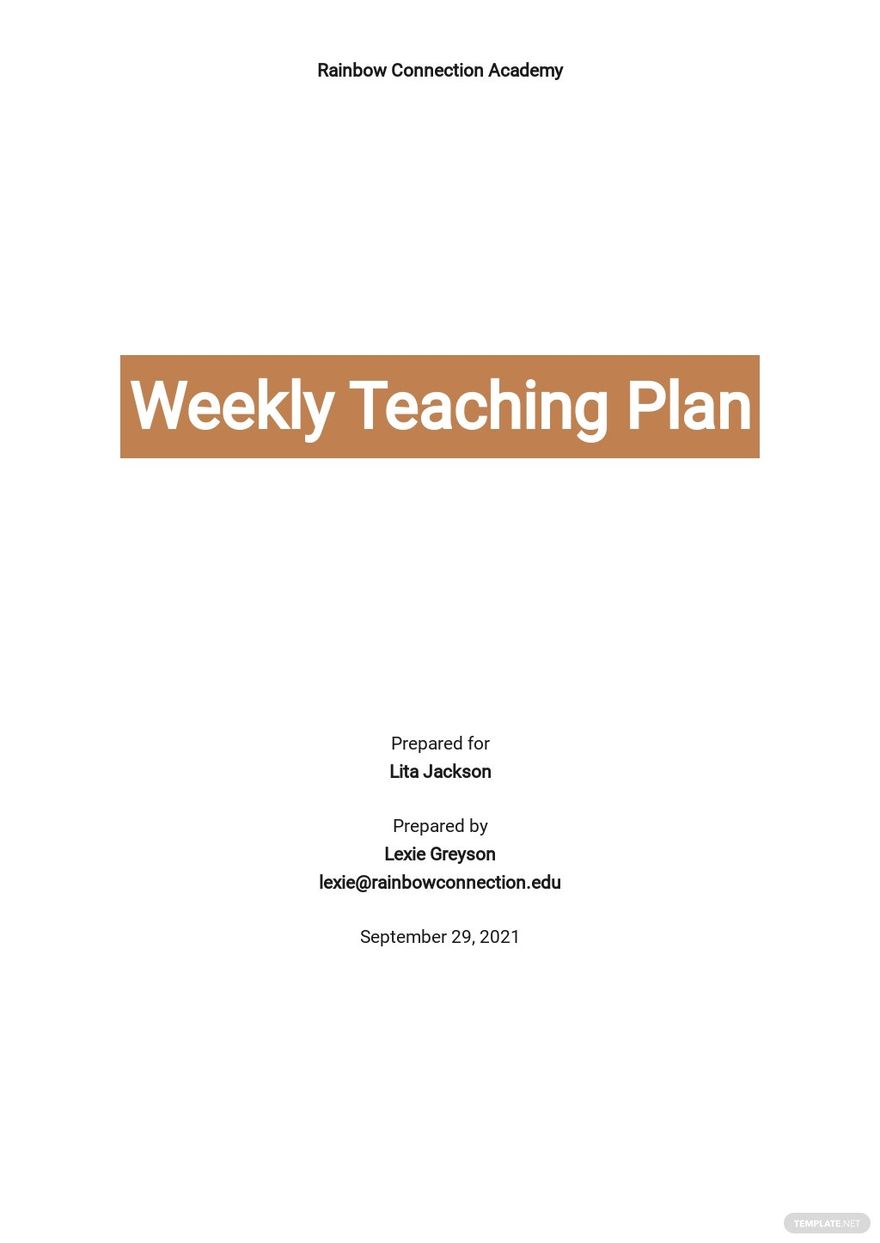 880×1243 blank weekly teacher lesson plan template from mungfali.com
  3000×2000 weekly lesson plan template printable teacher planner homeschool from www.etsy.com
  3000×2100 weekly lesson plan template teacher lesson planner etsy from www.etsy.com
  1080×1080 weekly lesson plan template teacher lesson plans weekly lesson plan from www.etsy.com
  2700×2025 weekly lesson plan template teacher lesson plan editable digital from www.etsy.com
  1080×810 teacher lesson plan template weekly lesson plan teacher organizer from www.etsy.com
  1080×1398 teachers weekly lesson plan printable digital lesson planner from www.etsy.com
  585×430 teacher lesson plan template sample format from www.template.net
  1140×1140 editable weekly lesson plan template teacher planner printable from www.etsy.com
  1600×1237 editable weekly lesson plan template from templates.rjuuc.edu.np
  1204×930 weekly lesson planning template editable customizable lesson plan from fity.club
  1000×772 weekly lesson plan template teachervision from www.teachervision.com
  3300×2550 teacher weekly lesson plan from www.bizzlibrary.com
  2200×1700 lesson plan template word editable image excel from www.101planners.com


Weekly Lesson Plan Template For Teachers :
Weekly Lesson Plan Template For Teachers was posted in May 25, 2025 at 3:38 am. If you wanna have it as yours, please click the Pictures and you will go to click right mouse then Save Image As and Click Save and download the Weekly Lesson Plan Template For Teachers Picture.. Don’t forget to share this picture with others via Facebook, Twitter, Pinterest or other social medias! we do hope you'll get inspired by SampleTemplates123... Thanks again! If you have any DMCA issues on this post, please contact us!