Dorm Life Budget Planner Printable
Dorm Life Budget Planner: A Printable Guide to Financial Freedom
Dorm life: a whirlwind of late-night study sessions, questionable dining hall food, newfound independence, and…a rapidly dwindling bank account? The transition to college often brings the first taste of managing your own finances. Without a structured budget, it’s easy to fall prey to impulse purchases and unexpected expenses, leaving you stressed and struggling to make ends meet. That’s where a dorm life budget planner comes in. This printable guide will help you take control of your finances, track your spending, and achieve your financial goals while navigating the unique challenges of dorm living.
Why You Need a Dorm Life Budget Planner
Dorm life presents a unique financial landscape. Here’s why a budget planner is essential:
- Limited Income: Most students rely on a combination of student loans, grants, scholarships, part-time jobs, and family contributions. These income sources are often fixed or limited, making careful management crucial.
- Unexpected Expenses: From textbooks and school supplies to social outings and late-night pizza runs, unforeseen costs can quickly derail your finances.
- Developing Financial Habits: College is a formative time for establishing financial habits. Learning to budget now will set you up for financial success in the future.
- Avoiding Debt: A budget helps you avoid unnecessary debt and manage existing student loans responsibly.
- Achieving Financial Goals: Whether you’re saving for a spring break trip, a new laptop, or just building an emergency fund, a budget helps you prioritize your savings and reach your goals.
Key Components of a Dorm Life Budget Planner
A comprehensive dorm life budget planner should include the following sections:
1. Income Tracking
The first step is to identify and track all your income sources. This includes:
- Student Loans: Record the amount disbursed for each semester.
- Grants and Scholarships: Note the amounts and disbursement dates.
- Part-Time Job Earnings: Estimate your weekly or monthly earnings based on your hourly rate and hours worked.
- Family Contributions: If your family provides financial support, record the amount and frequency.
- Other Income: Include any other income sources, such as freelance work, side hustles, or gifts.
Printable Tip: Create a table with columns for source, amount, frequency, and notes. This will give you a clear overview of your total income.
2. Expense Tracking
This is the heart of your budget. Carefully track all your expenses, no matter how small. Common expense categories for dorm life include:
- Tuition and Fees: Although often paid before arriving, it’s important to include these for overall financial awareness.
- Housing (Dorm Fees): This is usually a fixed cost, but include any associated expenses like laundry.
- Meal Plan: If you have a meal plan, factor in any remaining balance and consider budgeting for additional food.
- Textbooks and School Supplies: This can be a significant expense. Look for used books and explore rental options.
- Personal Care: Toiletries, haircuts, and other personal care items.
- Entertainment: Movies, concerts, sporting events, and other leisure activities.
- Social Activities: Going out with friends, eating at restaurants, and other social gatherings.
- Transportation: Bus fare, gas money (if you have a car), or ride-sharing services.
- Technology: Internet access, software subscriptions, and other technology-related expenses.
- Clothing: New clothes, laundry detergent, and dry cleaning.
- Healthcare: Over-the-counter medications, insurance co-pays, and other healthcare expenses.
- Miscellaneous: Unexpected expenses, gifts, and other miscellaneous items.
Printable Tip: Create a detailed expense tracker with columns for date, item, category, amount, and notes. You can use a spreadsheet or a pre-designed printable template. Consider breaking down categories further (e.g., Entertainment – Movies, Entertainment – Concerts) for more granular tracking. Track every expense for at least a month to get an accurate picture of your spending habits.
3. Budget Allocation
Once you’ve tracked your income and expenses, it’s time to allocate your budget. This involves deciding how much of your income to allocate to each expense category.
- Prioritize Needs: Focus on essential expenses like housing, food, and textbooks.
- Set Limits: Establish spending limits for each category based on your income and priorities.
- Be Realistic: Don’t set unrealistic limits that you won’t be able to maintain.
- Allocate for Savings: Even small amounts can add up over time. Aim to save a portion of your income, even if it’s just a few dollars each week.
Printable Tip: Create a budget allocation template with columns for category, estimated expense, actual expense, and difference. This will help you compare your planned spending to your actual spending and identify areas where you can cut back.
4. Financial Goals
Setting financial goals can motivate you to stick to your budget. Common financial goals for college students include:
- Building an Emergency Fund: Aim to save at least one month’s worth of living expenses in an emergency fund.
- Saving for a Spring Break Trip: Set a savings target and timeline for your trip.
- Paying Down Student Loans: Explore strategies for reducing your student loan debt.
- Investing: Consider investing a small portion of your income to start building wealth.
- Buying a New Laptop or Other Equipment: If you need a new laptop or other equipment for school, set a savings goal and timeline.
Printable Tip: Create a financial goals template with columns for goal, target amount, timeline, and progress. Track your progress regularly to stay motivated.
5. Review and Adjustment
Your budget is not set in stone. It’s important to review your budget regularly and make adjustments as needed. Consider reviewing your budget weekly or monthly to:
- Track your progress towards your financial goals.
- Identify areas where you are overspending.
- Adjust your budget based on changes in your income or expenses.
- Celebrate your successes!
Printable Tip: Schedule a regular budget review session. Use a different colored pen or highlighter to mark areas that need attention. Don’t be afraid to adjust your budget as needed – flexibility is key!
Tips for Sticking to Your Dorm Life Budget
Creating a budget is only half the battle. Here are some tips for sticking to your budget:
- Track Every Expense: Use a budgeting app or spreadsheet to track all your expenses, no matter how small.
- Avoid Impulse Purchases: Think carefully before making any purchase, especially impulse buys.
- Cook Your Own Meals: Eating out can be expensive. Try cooking some of your own meals in your dorm room or shared kitchen.
- Take Advantage of Student Discounts: Many businesses offer student discounts. Be sure to ask before making a purchase.
- Find Free Entertainment: Take advantage of free events on campus and in the community.
- Shop Smart: Look for deals and discounts when shopping for groceries and other essentials.
- Use Cash or Debit Cards: Avoid using credit cards, as they can lead to overspending and debt.
- Set Financial Goals: Having clear financial goals can motivate you to stick to your budget.
- Find a Budget Buddy: Partner with a friend to help you stay accountable and motivated.
- Don’t Be Afraid to Ask for Help: If you’re struggling to manage your finances, don’t be afraid to ask for help from a financial advisor or your university’s financial aid office.
Printable Budget Planner Resources
There are many free printable budget planner templates available online. Search for “printable budget planner template,” “student budget template,” or “dorm life budget planner” to find options that suit your needs. Many universities also offer downloadable budget templates or workshops on personal finance. Look for templates compatible with spreadsheet programs for easy editing and customization.
Conclusion
A dorm life budget planner is an invaluable tool for managing your finances and achieving your financial goals while navigating the challenges of college. By tracking your income and expenses, allocating your budget wisely, and setting financial goals, you can take control of your finances and set yourself up for financial success in the future. Don’t underestimate the power of planning and discipline. Happy budgeting!
 940×788 budget life planner inspired budget from inspiredbudget.com
  1259×970 life budget spreadsheet google spreadshee life budget spreadsheet life from db-excel.com

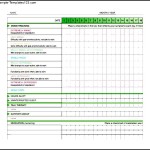

Dorm Life Budget Planner Printable :
Dorm Life Budget Planner Printable was posted in December 23, 2025 at 12:15 pm. If you wanna have it as yours, please click the Pictures and you will go to click right mouse then Save Image As and Click Save and download the Dorm Life Budget Planner Printable Picture.. Don’t forget to share this picture with others via Facebook, Twitter, Pinterest or other social medias! we do hope you'll get inspired by SampleTemplates123... Thanks again! If you have any DMCA issues on this post, please contact us!
Related For Dorm Life Budget Planner Printable

Printable Yearly Business Budget Te
Printable Yearly Business Budget Template PDF Download Awesome Photoshop
12 Months Business Marketing Budget
12 Months Business Marketing Budget Plan template small sampleCash Envelope Printable Labels
Cash envelope systems are a powerful tool for budgeting