Tutoring Business Budget Template
Okay, here’s an HTML formatted piece discussing a tutoring business budget template. “`html
Tutoring Business Budget Template: A Roadmap to Financial Success
A well-structured budget is the cornerstone of any successful business, and a tutoring business is no exception. Whether you’re a solo tutor operating part-time or running a multi-tutor agency, a budget template provides crucial insight into your financial health, allowing you to make informed decisions, track progress, and achieve your profitability goals.
Why Use a Tutoring Business Budget Template?
Without a budget, you’re essentially flying blind. A budget template offers several key benefits:
- Financial Clarity: It provides a clear snapshot of your income, expenses, and overall financial performance.
- Goal Setting: It helps you set realistic financial targets and track your progress towards achieving them.
- Decision-Making: It enables you to make informed decisions about pricing, marketing, hiring, and investments.
- Cost Control: It helps you identify areas where you can reduce expenses and improve efficiency.
- Profitability: It allows you to forecast your profits and take steps to maximize them.
- Investment Readiness: If you’re seeking funding, a well-prepared budget demonstrates your financial responsibility and increases your chances of securing investment.
Key Components of a Tutoring Business Budget Template
A comprehensive tutoring business budget template should include the following sections:
1. Revenue Projections
This section focuses on estimating your income from tutoring services. Consider these factors:
- Number of Students: How many students do you expect to tutor per week/month? Be realistic based on your marketing efforts and availability. Segment by subject if pricing differs.
- Hourly Rate: What is your hourly rate for each subject or level of tutoring? Research the market rate in your area.
- Session Length: How long are your tutoring sessions (e.g., 60 minutes, 90 minutes)?
- Session Frequency: How often will each student be tutored per week/month?
- Package Deals: Do you offer package deals or discounts for multiple sessions? Factor these into your revenue calculations.
- Other Revenue Streams: Do you offer online courses, workshops, or study materials? Include revenue projections for these as well.
Example:
| Revenue Source | Number of Students | Hourly Rate | Session Length | Sessions per Month | Monthly Revenue |
|---|---|---|---|---|---|
| Math Tutoring (High School) | 10 | $50 | 1 hour | 4 | $2,000 |
| English Tutoring (Middle School) | 8 | $40 | 1 hour | 4 | $1,280 |
| Online Course (Test Prep) | 20 | $100 (one-time fee) | – | – | $2,000 |
| Total Revenue | $5,280 |
2. Expense Projections
This section details all your expected costs associated with running your tutoring business. Categorize expenses to better track your spending.
- Marketing and Advertising:
- Website development and maintenance
- Online advertising (Google Ads, social media ads)
- Flyers and brochures
- Networking events
- Tutoring Materials and Supplies:
- Textbooks and workbooks
- Software and online resources
- Stationery (pens, paper, etc.)
- Software and Subscriptions:
- Scheduling software
- Accounting software
- Video conferencing platform
- Rent and Utilities (if applicable):
- Office rent
- Utilities (electricity, internet)
- Transportation:
- Mileage reimbursement (if traveling to students’ homes)
- Public transportation costs
- Insurance:
- Liability insurance
- Salaries and Wages (if applicable):
- Tutor salaries
- Administrative staff salaries
- Professional Development:
- Training courses
- Conferences
- Legal and Accounting Fees:
- Business registration fees
- Tax preparation fees
- Miscellaneous Expenses:
- Office supplies
- Bank fees
Example:
| Expense Category | Monthly Expense |
|---|---|
| Marketing and Advertising | $200 |
| Tutoring Materials | $100 |
| Software Subscriptions | $50 |
| Rent (Home Office) | $300 (portion of rent allocated to business) |
| Insurance | $50 |
| Total Expenses | $700 |
3. Profit and Loss Statement
This section summarizes your revenue and expenses to calculate your profit or loss. It shows the difference between your total revenue and total expenses for a specific period (e.g., monthly, quarterly, annually).
Formula:
Profit/Loss = Total Revenue – Total Expenses
Example (based on the previous examples):
- Total Revenue: $5,280
- Total Expenses: $700
- Profit: $5,280 – $700 = $4,580
4. Cash Flow Statement
This section tracks the movement of cash in and out of your business. It helps you understand how much cash you have available at any given time, which is crucial for managing your day-to-day operations and making timely payments.
Key Components:
- Beginning Cash Balance: The amount of cash you have at the start of the period.
- Cash Inflows: All sources of cash coming into your business (e.g., revenue from tutoring services).
- Cash Outflows: All expenses paid out of your business (e.g., rent, marketing expenses).
- Ending Cash Balance: The amount of cash you have at the end of the period (Beginning Cash Balance + Cash Inflows – Cash Outflows).
5. Break-Even Analysis
This analysis helps you determine the number of tutoring sessions you need to conduct (or the revenue you need to generate) to cover all your expenses. It’s a critical tool for understanding your financial viability.
Formula:
Break-Even Point (in Units) = Fixed Costs / (Revenue per Unit – Variable Costs per Unit)
Example:
- Fixed Costs (e.g., rent, insurance): $350
- Revenue per Tutoring Session: $50
- Variable Costs per Tutoring Session (e.g., materials): $5
- Break-Even Point = $350 / ($50 – $5) = 7.78 sessions (approximately 8 sessions)
This means you need to conduct approximately 8 tutoring sessions to cover your fixed costs.
Tips for Creating and Maintaining Your Budget
- Use a Spreadsheet Software: Programs like Microsoft Excel or Google Sheets make it easy to create and update your budget template.
- Be Realistic: Don’t overestimate your revenue or underestimate your expenses. Research market rates and consider potential challenges.
- Track Your Actuals: Regularly compare your actual income and expenses to your budget. This will help you identify variances and make adjustments as needed.
- Review and Update Regularly: Update your budget at least monthly, or more frequently if your business is experiencing rapid growth or significant changes.
- Seek Professional Advice: If you’re unsure about any aspect of your budget, consult with an accountant or financial advisor.
Conclusion
A well-designed tutoring business budget template is an invaluable tool for managing your finances, achieving your financial goals, and ensuring the long-term success of your business. By taking the time to create and maintain a detailed budget, you’ll be well-equipped to make informed decisions, control costs, and maximize your profitability.
“`
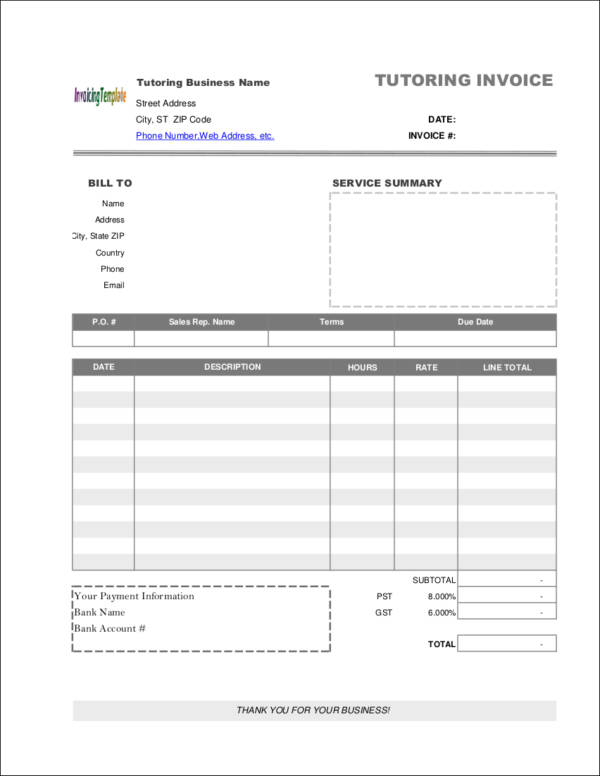 600×776 tutoring business plan template template from templatepdf.blogspot.com
  2136×1254 business budget template jotform tables from www.jotform.com
  1654×2339 tutoring business plan examples from www.examples.com

Tutoring Business Budget Template :
Tutoring Business Budget Template was posted in December 21, 2025 at 1:26 am. If you wanna have it as yours, please click the Pictures and you will go to click right mouse then Save Image As and Click Save and download the Tutoring Business Budget Template Picture.. Don’t forget to share this picture with others via Facebook, Twitter, Pinterest or other social medias! we do hope you'll get inspired by SampleTemplates123... Thanks again! If you have any DMCA issues on this post, please contact us!
Related For Tutoring Business Budget Template

Free College Budget Template
Free College Budget Template Interview Evaluation FormStandard Professional CertificateBoy
One Year Excel Budget Template
One Year Excel Budget Template Free Preschool Graduation Certificate
Free Monthly Budget Components PDF
Free Monthly Budget Components PDF Formmat Film Shot List