Hybrid Meeting Agenda Format
Crafting Effective Hybrid Meeting Agendas
Hybrid meetings, blending in-person and remote participants, are now a common fixture in the modern workplace. However, effectively managing these meetings requires a carefully structured agenda that addresses the unique challenges and opportunities presented by this blended format. A poorly designed agenda can lead to disengagement, miscommunication, and ultimately, unproductive outcomes.
Understanding the Hybrid Meeting Landscape
Before diving into the specifics of agenda creation, it’s important to acknowledge the complexities inherent in hybrid meetings. In-person attendees benefit from direct interaction and nonverbal cues, while remote participants rely heavily on technology and verbal communication. This disparity can lead to feelings of exclusion for remote attendees if not actively addressed. Furthermore, technical difficulties, varying time zones, and differing work environments can all contribute to challenges in participation and engagement.
Key Principles for Hybrid Meeting Agendas
The best hybrid meeting agendas share several key principles:
- Clarity and Conciseness: Every agenda item should be clearly defined with a specific purpose. Use concise language to avoid ambiguity and ensure everyone understands the objective.
- Time Allocation: Allocate realistic time slots for each item, considering the potential for technical delays or slower conversational flow due to remote participation. It’s often wise to overestimate time slightly.
- Inclusivity: Design the agenda to actively engage both in-person and remote participants. Include opportunities for remote attendees to contribute and ensure their voices are heard.
- Accessibility: The agenda should be easily accessible to all participants well in advance of the meeting. Consider using a shared document platform that allows for collaborative editing and commenting.
- Action-Oriented: Focus on actionable items and decisions that need to be made. Avoid vague discussions that lack a clear purpose.
Elements of an Effective Hybrid Meeting Agenda
A robust hybrid meeting agenda typically includes the following elements:
- Meeting Title and Purpose: Clearly state the title of the meeting and its overall purpose. This helps participants understand the overarching goal and prepare accordingly.
- Date, Time, and Location (Both Physical and Virtual): Include the date, start time, and end time of the meeting. Provide the physical location for in-person attendees and the video conferencing link or dial-in number for remote participants. Clearly specify time zones if attendees are located in different regions.
- List of Attendees (In-Person and Remote): List all expected attendees, specifying whether they will be attending in person or remotely. This helps establish expectations for participation and allows for easy identification of individuals during the meeting.
- Detailed Agenda Items with Time Allocations: This is the core of the agenda. Each item should have a specific title, a brief description of the topic, the name of the presenter or facilitator, and the allocated time.
- Pre-Reading Materials (if applicable): If participants need to review materials before the meeting, clearly indicate this in the agenda and provide links to the relevant documents. Give ample time for review.
- Call to Action or Expected Outcome for Each Item: Specify the desired outcome for each agenda item. This could be a decision, a brainstorming session, a progress update, or simply information sharing. Clearly stating the expected outcome keeps the discussion focused and productive.
- Technology Instructions and Troubleshooting Tips: Provide clear instructions for joining the video conference and using any relevant collaboration tools. Include troubleshooting tips for common technical issues to minimize disruptions during the meeting. Designate a point person to handle technical issues as they arise.
- Designated Roles (Facilitator, Note-Taker, Timekeeper): Assign specific roles to different participants. The facilitator guides the discussion, the note-taker records key decisions and action items, and the timekeeper ensures the meeting stays on schedule. These roles help distribute responsibility and promote efficiency.
- Break Times: Schedule short breaks, especially for longer meetings. This allows participants to stretch, refresh, and refocus, preventing fatigue and maintaining engagement.
- Next Steps and Action Items (with Assignees and Due Dates): At the end of the meeting, review the key decisions and action items that were agreed upon. Assign each action item to a specific individual and set a clear due date. This ensures accountability and follow-through. Documenting this clearly and distributing it post-meeting is crucial.
Strategies for Engaging Remote Participants
To foster inclusivity and engagement for remote participants, consider these strategies:
- Designated Remote Advocate: Assign someone to be the “remote advocate,” responsible for ensuring remote participants can see and hear everything clearly, monitoring the chat for questions or comments, and calling on remote attendees to contribute.
- Interactive Elements: Incorporate interactive elements into the agenda, such as polls, quizzes, or breakout rooms, to actively involve remote participants.
- Virtual Whiteboard: Utilize a virtual whiteboard or shared document for brainstorming and collaborative note-taking.
- Clear Communication Protocols: Establish clear communication protocols, such as using the “raise hand” function in the video conference platform or explicitly asking remote attendees for their input.
- Camera On Policy (Where Appropriate): Encourage all participants to keep their cameras on (if their internet bandwidth allows) to foster a sense of connection and visual engagement. However, be sensitive to individual circumstances and avoid mandatory camera policies.
- Equal Airtime: Consciously ensure that remote participants have equal opportunities to speak and share their ideas. Avoid dominating the conversation as in-person attendees.
Post-Meeting Follow-Up
Following the meeting, distribute a summary of the key decisions, action items, and assigned responsibilities to all participants. This reinforces accountability and ensures everyone is on the same page. This summary should include the agenda, any relevant notes taken, and links to recordings if applicable.
Conclusion
Creating effective hybrid meeting agendas requires careful planning and attention to detail. By incorporating the principles and elements outlined above, you can create meetings that are inclusive, productive, and engaging for all participants, regardless of their location.
 1600×520 hybrid meeting tips techweb boston university from www.bu.edu
  1000×600 hybrid meeting tips meetings hybrid meeting environment from quickminutes.com
  2550×3300 corporate meeting agenda format from www.bizzlibrary.com
  1400×780 practices effective hybrid meeting from www.officernd.com
  1200×627 crucial hybrid meeting practices from www.nunify.com
  600×400 hybrid meetings from mspacesph.com
  1100×733 hybrid meeting etiquette guide from duome.co
  1000×547 facilitate hybrid meeting workshop from www.redagile.com
 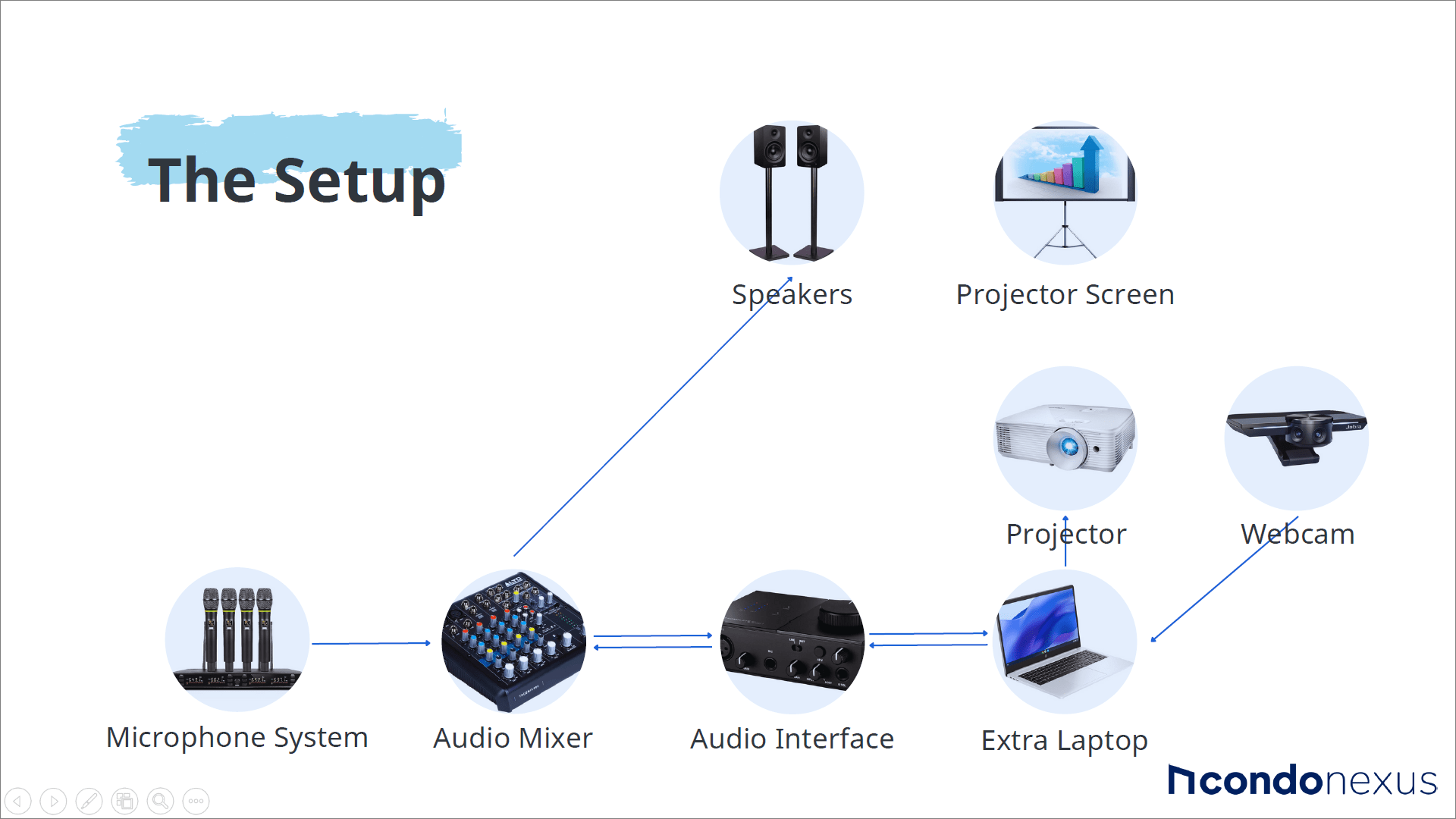 1920×1080 ultimate guide running great hybrid meetings from condonexus.com
  500×500 hybrid meeting event checklist spoken authority from www.spokenwithauthority.com
  1001×563 ways improve hybrid meeting virtu solutions from virtu.net
  1812×1356 facilitate design successful hybrid meeting spectrum from www.spectrumleadershipsolutions.com
  1080×703 run effective inclusive hybrid meeting from whereby.com
  1200×675 run great hybrid meeting business volunteers from bvuvolunteers.org
  640×640 practices hybrid meeting attendees lucidspark from lucidspark.com
  1600×900 hybrid meeting practices implement from www.ie-uk.com
  2048×1152 hybrid meeting meeting variant work fellowapp from fellow.app
  1209×3466 tips running effective hybrid meeting tollfreeforwardingcom from tollfreeforwarding.com
  960×540 hybrid meetings powerpoint google template from www.collidu.com
  1024×724 content ready hybrid cti meeting technology from www.ctimeetingtech.com
  1000×333 practices hybrid meeting engagement multiplier from www.engagementmultiplier.com
  1024×683 plan deliver hybrid meeting secondnature from secondnatureuk.co.uk
  1200×1200 run effective hybrid meeting actionable steps from www.workshopper.com
  770×500 answered hybrid meeting ip phone warehouse from www.ipphone-warehouse.com
  2310×1206 creating perfect hybrid meeting from www.amicus.com.au
  1600×1066 master hybrid meetings practices slido blog from blog.slido.com
  578×1024 takes run hybrid annual general meeting toronto condo news from tocondonews.com


Hybrid Meeting Agenda Format :
Hybrid Meeting Agenda Format was posted in October 16, 2025 at 10:13 am. If you wanna have it as yours, please click the Pictures and you will go to click right mouse then Save Image As and Click Save and download the Hybrid Meeting Agenda Format Picture.. Don’t forget to share this picture with others via Facebook, Twitter, Pinterest or other social medias! we do hope you'll get inspired by SampleTemplates123... Thanks again! If you have any DMCA issues on this post, please contact us!
Related For Hybrid Meeting Agenda Format
Environmental Group Agenda Template
Environmental Group Agenda Template Environmental Group Agenda Template: AGoogle Calendar Meeting Agenda
Google Calendar Meeting Agenda Google Calendar Meeting Agenda: A