Time Blocking Agenda Sample
A Time Blocking Agenda Sample: Mastering Your Day
Time blocking is a powerful time management technique that involves scheduling specific blocks of time for particular tasks or activities. Unlike traditional to-do lists, which can be overwhelming and lack a sense of urgency, time blocking provides a visual representation of your day and helps you prioritize and allocate time effectively. It’s like creating an appointment calendar with yourself, ensuring that everything gets the attention it deserves. This sample agenda will guide you through how you can structure your day with time blocking.
Understanding the Core Principles
Before diving into the agenda, it’s crucial to grasp the key principles of time blocking:
- Specificity: Define exactly what you’ll be working on during each block. Avoid vague entries like “work” or “errands.” Instead, be specific: “Write blog post on time management” or “Grocery shopping at Trader Joe’s.”
- Prioritization: Schedule your most important tasks during your peak energy hours. Identify the tasks that will have the greatest impact and tackle them when you are most alert and focused.
- Realism: Be honest about how long tasks actually take. Don’t underestimate the time required for complex or challenging projects. It’s better to overestimate slightly and finish early than to underestimate and run over schedule.
- Flexibility: Life happens! Build in buffer time for unexpected interruptions or delays. This prevents your entire schedule from derailing if something unexpected pops up.
- Review and Adjustment: Regularly review your time blocks and adjust your schedule based on your progress and priorities. What works one week might not work the next, so adapt as needed.
Sample Time Blocking Agenda
This sample agenda is a template. You’ll need to customize it to fit your individual needs, preferences, and daily routine. It’s designed for a typical weekday but can be modified for weekends or other days. It assumes a standard 8-hour workday.
Morning (6:00 AM – 12:00 PM)
The morning is often the most productive time for many people. Leverage this time for your most demanding tasks.
- 6:00 AM – 7:00 AM: Morning Routine & Exercise (1 hour)
- Wake up, hydrate, and engage in a light exercise routine. This could include a walk, yoga, or a quick workout. A good morning routine sets a positive tone for the day.
- Include activities like meditation, journaling, or reading to nurture your mind and improve focus.
- 7:00 AM – 7:30 AM: Breakfast & News/Personal Development (30 minutes)
- Prepare and enjoy a healthy breakfast.
- Catch up on news or read a chapter of a book related to your personal or professional development. Avoid excessive social media scrolling.
- 7:30 AM – 9:30 AM: Focused Work Block 1: Project X – Deep Work (2 hours)
- Dedicate this block to your most important task of the day – “Project X.” This is where you engage in deep work, eliminating distractions and concentrating fully on the task at hand.
- Example tasks: writing a report, coding a new feature, or analyzing market data.
- 9:30 AM – 10:00 AM: Break & Email Check (30 minutes)
- Take a short break away from your workspace. Stretch, get some fresh air, or grab a healthy snack.
- Quickly check emails and respond to urgent messages only. Defer less important emails to a later time.
- 10:00 AM – 12:00 PM: Focused Work Block 2: Project Y – Creative Tasks (2 hours)
- Dedicate this block to tasks that require creativity and problem-solving. This could include brainstorming ideas, designing a presentation, or writing creative content.
- Example tasks: Marketing Strategy or content creation.
Afternoon (12:00 PM – 6:00 PM)
The afternoon is often a time when energy levels start to dip. Use this time for less demanding tasks and meetings.
- 12:00 PM – 1:00 PM: Lunch & Social Time (1 hour)
- Take a proper lunch break away from your workspace. Ideally, socialize with colleagues or friends to recharge.
- 1:00 PM – 2:30 PM: Meetings & Collaboration (1.5 hours)
- Schedule meetings, calls, and collaborative tasks during this block. Grouping meetings together minimizes interruptions throughout the day.
- Prepare an agenda beforehand for each meeting to ensure it stays focused and efficient.
- 2:30 PM – 3:00 PM: Buffer Time & Administrative Tasks (30 minutes)
- Use this block for buffer time to catch up on tasks that ran over schedule or to handle unexpected interruptions.
- Also, dedicate this time to administrative tasks such as filing documents, updating spreadsheets, or responding to routine emails.
- 3:00 PM – 5:00 PM: Focused Work Block 3: Learning & Development (2 hours)
- Dedicate this block to learning and professional development. This could include taking online courses, reading industry articles, or attending webinars.
- Alternatively, use this time for reviewing your work, making revisions, or preparing for future projects.
- 5:00 PM – 6:00 PM: Wrap Up & Plan for Tomorrow (1 hour)
- Review your accomplishments for the day and make a list of what you achieved. This provides a sense of satisfaction and motivates you to continue.
- Plan your agenda for the following day, prioritizing tasks and allocating time blocks accordingly. This sets you up for a productive start the next morning.
Evening (6:00 PM onwards)
This time is reserved for personal activities and relaxation.
- 6:00 PM – 7:00 PM: Dinner & Family Time (1 hour)
- 7:00 PM – 9:00 PM: Personal Activities & Hobbies (2 hours)
- 9:00 PM – 10:00 PM: Relaxation & Wind Down (1 hour)
- 10:00 PM: Bedtime
Tips for Success
- Use a Visual Calendar: Whether it’s a digital calendar (Google Calendar, Outlook Calendar) or a paper planner, a visual representation of your schedule makes it easier to manage.
- Time Tracking: Use a time-tracking tool (Toggl Track, RescueTime) to monitor how you actually spend your time. This will help you identify time-wasting activities and adjust your schedule accordingly.
- Batch Similar Tasks: Group similar tasks together to minimize context switching and improve focus. For example, dedicate a block of time solely to answering emails or making phone calls.
- Minimize Distractions: Turn off notifications, close unnecessary tabs, and find a quiet workspace to minimize distractions during focused work blocks.
- Be Kind to Yourself: Don’t be discouraged if you don’t stick to your schedule perfectly every day. The goal is to improve your time management skills gradually, not to achieve perfection overnight.
Time blocking is a customizable system. Experiment with different schedules and techniques until you find what works best for you. With practice and persistence, you can use time blocking to take control of your time, improve your productivity, and achieve your goals.
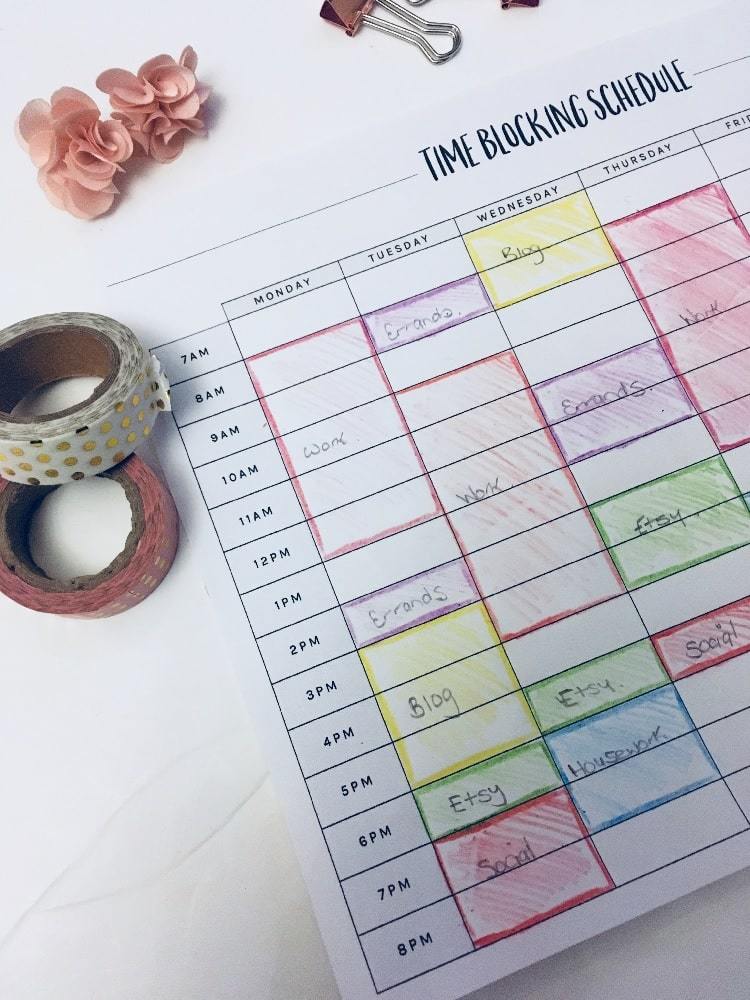 750×1000 printable time blocking templates updated from www.developgoodhabits.com
  1024×909 schedule time blocking templates everhour blog from everhour.com


Time Blocking Agenda Sample :
Time Blocking Agenda Sample was posted in August 31, 2025 at 3:12 pm. If you wanna have it as yours, please click the Pictures and you will go to click right mouse then Save Image As and Click Save and download the Time Blocking Agenda Sample Picture.. Don’t forget to share this picture with others via Facebook, Twitter, Pinterest or other social medias! we do hope you'll get inspired by SampleTemplates123... Thanks again! If you have any DMCA issues on this post, please contact us!