Typed Sample Letter Of Authorization
Typed Sample Letter of Authorization: A Comprehensive Guide
A letter of authorization, also known as a letter of authority or an authorization letter, is a crucial document that empowers an individual or entity to act on behalf of another person, company, or organization. These letters come in various forms, each tailored to a specific purpose and scope of authority. A typed letter of authorization provides a formal, professional, and easily readable record of the agreement, minimizing the risk of misinterpretation and disputes. This guide delves into the intricacies of a typed sample letter of authorization, covering its essential elements, variations, and best practices.
Key Elements of a Typed Letter of Authorization
A well-structured letter of authorization should include the following core components:
- Heading: Clearly state “Letter of Authorization” or “Authorization Letter” at the top of the document. This immediately identifies the purpose of the letter.
- Date: Include the date the letter is issued. This establishes a timeline for the authorization.
- Sender’s Information: Provide the full name, address, and contact details (phone number and email address) of the person or entity granting the authorization (the “Principal” or “Grantor”). This allows the recipient to verify the source of the authorization.
- Recipient’s Information: Include the full name, address, and contact details of the person or entity being authorized to act (the “Agent” or “Authorized Representative”). This clearly identifies who is being granted authority.
- Salutation: Use a formal salutation, such as “To Whom It May Concern” or “Dear [Recipient’s Name]”.
- Purpose Statement: Clearly and concisely state the purpose of the authorization. This is the most important part of the letter. Be specific about what the agent is authorized to do. Avoid vague language. For example, instead of saying “to handle my affairs,” state “to deposit checks into my bank account at [Bank Name], account number [Account Number], and to pay bills related to my property located at [Address].”
- Scope of Authority: Define the specific powers and limitations granted to the agent. This section is crucial for preventing misunderstandings and potential abuse of authority. Detail exactly what the agent is permitted to do and, equally important, what they are not permitted to do. Examples:
- “The Agent is authorized to sign contracts on behalf of [Principal’s Company Name] up to a value of $[Amount] per contract.”
- “The Agent is not authorized to sell any property owned by the Principal.”
- Duration of Authorization: Specify the start and end dates of the authorization period. If the authorization is ongoing or indefinite, clearly state that. For a specific timeframe, provide the exact dates. For indefinite authorization, consider including a clause that allows you to revoke the authorization at any time with written notice. Examples:
- “This authorization is valid from [Start Date] to [End Date].”
- “This authorization is effective immediately and will remain in effect until revoked by written notice from the Principal.”
- Liability Clause (Optional but Recommended): Address the issue of liability. State whether the Principal will be held liable for the Agent’s actions within the scope of the authorization. Consider consulting with legal counsel to draft this clause appropriately. Example: “The Principal shall be liable for the actions of the Agent undertaken within the scope of this authorization, subject to applicable laws and regulations.” Alternatively, a clause limiting liability could be considered, but consult with legal counsel.
- Governing Law (Optional but Recommended): Specify the jurisdiction (state or country) whose laws will govern the interpretation and enforcement of the letter of authorization. This helps resolve disputes regarding the letter’s validity and scope.
- Revocation Clause: State the process for revoking the authorization. Usually, this involves providing written notice to both the Agent and any relevant third parties. Specify the method of delivery (e.g., certified mail with return receipt requested) and the effective date of revocation.
- Signature: The Principal must sign the letter in the presence of a notary public (recommended, especially for important authorizations). The signature should be legible and match the printed name.
- Printed Name: The Principal’s printed name should be included below their signature for clarity.
- Notarization (Recommended): Having the letter notarized adds a layer of legal validity. A notary public verifies the Principal’s identity and witnesses their signature, providing assurance that the Principal willingly signed the document.
- Witnesses (Optional): While not always required, having witnesses sign the letter can provide additional support for its validity. Witnesses should be disinterested parties who can attest to the Principal’s signature and understanding of the document.
Types of Authorization Letters and Sample Applications
The specific content of an authorization letter will vary depending on its purpose. Here are a few common examples:
- Medical Authorization: Authorizes someone to make medical decisions on your behalf if you are unable to do so (often combined with a living will and health care proxy).
- Financial Authorization: Authorizes someone to manage your finances, pay bills, or access bank accounts.
- Property Management Authorization: Authorizes someone to manage your rental property, collect rent, and handle repairs.
- Childcare Authorization: Authorizes someone to pick up your child from school or daycare.
- Travel Authorization: Authorizes a minor child to travel with another adult.
- Vehicle Authorization: Authorizes someone to drive your vehicle.
- Business Authorization: Authorizes an employee or representative to act on behalf of your company, such as signing contracts or negotiating deals.
Best Practices for Writing a Typed Letter of Authorization
- Use Clear and Concise Language: Avoid jargon and legalistic terms that may be difficult to understand. Use plain language to ensure everyone involved understands the scope of the authorization.
- Be Specific and Detailed: The more detailed the letter, the less room there is for misinterpretation. Provide specific information about the tasks the agent is authorized to perform and any limitations on their authority.
- Consult with Legal Counsel: For significant authorizations, such as those involving finances, property, or medical decisions, it is strongly recommended to consult with an attorney to ensure the letter is legally sound and meets your specific needs.
- Keep a Copy: Always retain a copy of the signed and notarized letter for your records.
- Notify Relevant Parties: Inform all relevant third parties (e.g., banks, schools, medical providers) about the authorization and provide them with a copy of the letter.
- Review and Update Regularly: Review the letter periodically to ensure it still reflects your wishes and circumstances. Update the letter if there are any changes in the scope of authority, the duration of authorization, or the individuals involved.
Conclusion
A typed letter of authorization is a powerful tool that can simplify various aspects of your personal and professional life. By understanding the key elements, variations, and best practices outlined in this guide, you can create a clear, concise, and legally sound document that effectively delegates authority and protects your interests. Remember to tailor the letter to your specific needs and circumstances and, when in doubt, seek legal advice.
 696×900 authorization letter sample documents word from www.dexform.com
  585×700 sample authorization letter templates samples word from www.sampletemplates.com
  768×1024 authorization letter templates templates word excel from www.formsbirds.com
  801×1024 sample authorization letter template from bestlettertemplates.com
  600×730 letter authorization samples ms word google docs excel from www.sampleforms.com
  600×730 sample authorization letter templates from www.sampletemplates.com
 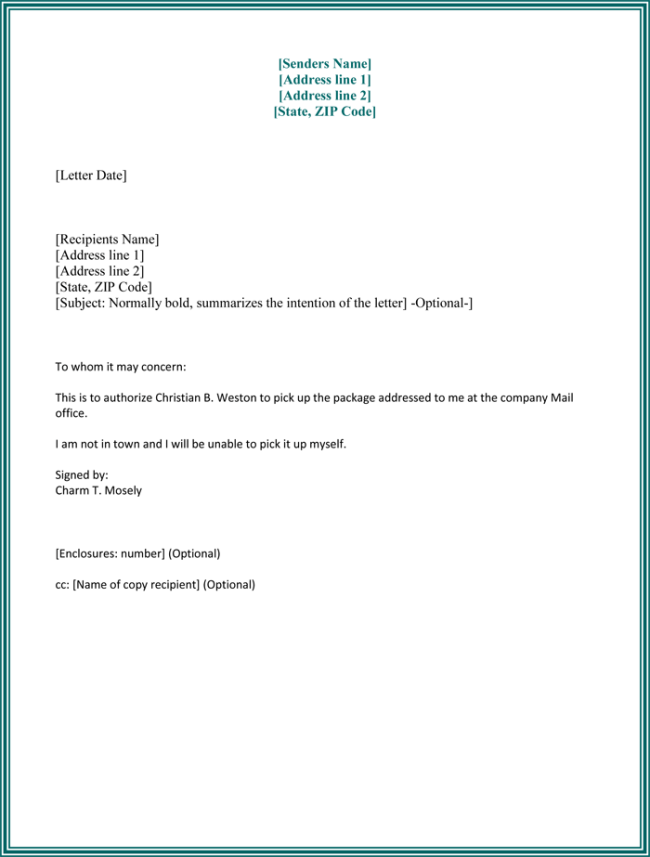 650×857 sample authorization letter examples template from authorizationletter.net


Typed Sample Letter Of Authorization :
Typed Sample Letter Of Authorization was posted in October 11, 2025 at 11:51 pm. If you wanna have it as yours, please click the Pictures and you will go to click right mouse then Save Image As and Click Save and download the Typed Sample Letter Of Authorization Picture.. Don’t forget to share this picture with others via Facebook, Twitter, Pinterest or other social medias! we do hope you'll get inspired by SampleTemplates123... Thanks again! If you have any DMCA issues on this post, please contact us!