Sample Letter Of Intent Template
Sample Letter of Intent Template: A Comprehensive Guide
A Letter of Intent (LOI) is a crucial document that outlines the preliminary understanding between two or more parties intending to enter into a formal agreement. It’s essentially a roadmap, clarifying the key terms and conditions that will form the basis of the final contract. While not always legally binding in its entirety, an LOI signifies serious intent and helps prevent misunderstandings during the negotiation process. A well-structured LOI saves time and resources by ensuring all parties are on the same page before committing to significant legal and financial obligations.
Key Components of a Strong Letter of Intent
Here’s a breakdown of the essential sections typically found in a sample letter of intent template:
1. Heading and Introductory Paragraph
Start with a professional heading including the date, recipient’s name and address, and your own name and address. The introductory paragraph should clearly state the purpose of the letter. Identify the parties involved and briefly describe the transaction or agreement you intend to pursue. For example:
“This Letter of Intent (the “Letter”) outlines the preliminary understanding between [Your Company Name], located at [Your Address] (“Buyer”), and [Seller Company Name], located at [Seller Address] (“Seller”), regarding the potential purchase of [Description of Asset or Business] by Buyer from Seller.”
2. Description of the Proposed Transaction
This section provides a more detailed explanation of the intended transaction. Be specific about what is being considered, whether it’s an asset purchase, a merger, a joint venture, a lease agreement, or something else entirely. Include key details such as:
* **Subject Matter:** Clearly identify the assets, business, or property involved. Provide enough detail so there’s no ambiguity. * **Price:** State the proposed purchase price or other relevant financial terms. If the price is subject to adjustment (e.g., based on due diligence), clearly indicate the basis for adjustment. * **Payment Terms:** Outline the proposed payment schedule, including any deposits, installments, or financing arrangements. * **Closing Date:** Specify a target date for the completion of the transaction. This date may be subject to change, but it provides a timeline for both parties.
Example:
“Buyer intends to purchase from Seller all of the assets related to the [Specific Business Unit Name] business, including but not limited to all inventory, equipment, customer lists, intellectual property, and goodwill (the “Assets”). The proposed purchase price for the Assets is [Dollar Amount], payable as follows: [Percentage] deposit upon execution of a definitive agreement and the remaining balance at closing. The parties anticipate closing the transaction on or before [Date].”
3. Due Diligence
Specify the period during which the buyer will conduct due diligence and the scope of information the seller will provide. This is a critical phase where the buyer verifies the accuracy of the seller’s representations and assesses the risks associated with the transaction. Include details such as:
* **Due Diligence Period:** Specify the length of time allotted for due diligence. * **Information Access:** Outline the types of information the seller will provide to the buyer, such as financial statements, contracts, customer data, and operational records. * **Access to Facilities and Personnel:** Indicate whether the buyer will have access to the seller’s facilities and personnel for inspections and interviews.
Example:
“Buyer shall have a period of [Number] days from the date of this Letter (the “Due Diligence Period”) to conduct due diligence on the Assets. Seller agrees to provide Buyer with reasonable access to all relevant books, records, contracts, and other information pertaining to the Assets. Buyer shall also have the right to inspect the Seller’s facilities and interview key personnel during the Due Diligence Period.”
4. Exclusivity
An exclusivity clause prevents the seller from soliciting or entertaining offers from other potential buyers for a specified period. This gives the buyer time to conduct due diligence and negotiate a definitive agreement without the risk of losing the deal to a competing offer. This clause is typically binding. Specify the duration of the exclusivity period.
Example:
“In consideration of Buyer’s commitment of time and resources to this potential transaction, Seller agrees to negotiate exclusively with Buyer with respect to the sale of the Assets for a period of [Number] days from the date of this Letter (the “Exclusivity Period”). During the Exclusivity Period, Seller shall not, directly or indirectly, solicit, entertain, or accept any offer from any third party for the purchase of the Assets.”
5. Confidentiality
Include a provision stating that all information exchanged between the parties will be kept confidential. This is particularly important when sensitive financial or operational data is involved. A separate Confidentiality Agreement (also known as a Non-Disclosure Agreement or NDA) may be referenced or incorporated by reference.
Example:
“The parties agree to keep the terms of this Letter and all information exchanged during the negotiation process confidential. This confidentiality obligation shall survive the termination of this Letter. The parties may enter into a separate Confidentiality Agreement containing more detailed provisions regarding the treatment of confidential information.”
6. Governing Law
Specify which state’s laws will govern the interpretation and enforcement of the Letter of Intent (to the extent that certain provisions are binding).
Example:
“This Letter shall be governed by and construed in accordance with the laws of the State of [State Name].”
7. Non-Binding and Binding Provisions
Clearly state which provisions of the LOI are intended to be legally binding and which are not. Typically, provisions such as exclusivity, confidentiality, governing law, and termination are binding, while the terms related to the actual transaction are non-binding, serving as a basis for future negotiation. Explicitly list the binding sections.
Example:
“This Letter is intended to be a non-binding expression of intent and does not create any legally binding obligation on either party, except for the provisions regarding Exclusivity, Confidentiality, Governing Law, and Termination, which shall be binding upon execution of this Letter by both parties.”
8. Termination
Outline the circumstances under which the Letter of Intent can be terminated. This might include failure to reach a definitive agreement by a certain date, breach of the exclusivity provision, or other material events.
Example:
“This Letter shall terminate automatically upon the earlier of (a) the execution of a definitive agreement between the parties or (b) [Date], unless extended by mutual written agreement. Either party may terminate this Letter upon [Number] days’ written notice to the other party if a definitive agreement has not been reached.”
9. Signature
Include signature lines for both parties, along with their printed names and titles. This confirms that both parties acknowledge and agree to the terms outlined in the Letter of Intent.
“Sincerely,
[Your Name]
[Your Title]
[Your Company Name]
Agreed and Accepted:
[Recipient’s Name]
[Recipient’s Title]
[Recipient Company Name]”
Important Considerations
* **Legal Counsel:** Always consult with an attorney before signing a Letter of Intent. An attorney can review the document to ensure it accurately reflects your intentions and protects your interests. * **Clarity and Specificity:** The more clear and specific the LOI is, the less room there is for misinterpretation and future disputes. * **Negotiation:** The LOI is a starting point for negotiations. Be prepared to discuss and potentially modify the terms before finalizing the document. * **”Subject To” Language:** Use “subject to” language frequently to emphasize the preliminary nature of the agreement and the need for further negotiation and documentation. For example, “The purchase price is subject to adjustment based on the results of due diligence.”
Conclusion
A well-drafted Letter of Intent is a valuable tool for initiating business transactions and setting the stage for successful negotiations. By carefully considering each of the key components and seeking legal counsel, you can ensure that your LOI effectively communicates your intentions, protects your interests, and paves the way for a mutually beneficial agreement.
 1275×1650 letter intent template printable documents from londonmedarb.com
  1932×2500 letter intent templates word excel templates from www.wordstemplates.org
  770×996 simple letter intent template word pack from premiumprintabletemplates.com
  585×620 intent letter templates word documents from www.template.net
  1767×2500 letter intent templates samples word from templatelab.com
  1932×2500 letter intent templates samples job school business from templatelab.com
  650×883 letter intent sample templates formats word from www.doctemplates.net
  495×640 letter intent template sample letters intent from www.vertex42.com
  440×570 letter intent word documents from www.template.net
  770×1024 sample letter intent template pdffiller from www.pdffiller.com
  707×949 letter intent template word templates from www.professionaltemplates.org
 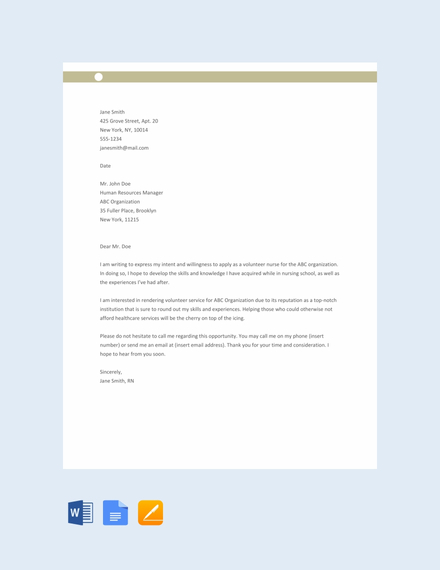 440×570 letter intent examples from www.examples.com
  728×943 letter intent sample format from www.formsbirds.com
  1086×1536 letter intent job editable template pack word from premiumprintabletemplates.com



Sample Letter Of Intent Template :
Sample Letter Of Intent Template was posted in November 27, 2025 at 1:12 pm. If you wanna have it as yours, please click the Pictures and you will go to click right mouse then Save Image As and Click Save and download the Sample Letter Of Intent Template Picture.. Don’t forget to share this picture with others via Facebook, Twitter, Pinterest or other social medias! we do hope you'll get inspired by SampleTemplates123... Thanks again! If you have any DMCA issues on this post, please contact us!