Zero-based Budget For Debt Payoff
Zero-Based Budgeting: A Powerful Tool for Debt Payoff
A zero-based budget is a powerful financial planning tool that can dramatically accelerate your debt payoff journey. Unlike traditional budgeting methods that focus on tracking spending after the fact, zero-based budgeting forces you to meticulously plan where every single dollar will go *before* the month begins. The core principle is simple: every dollar must be allocated to a specific category until your income minus your expenses equals zero. This isn’t about literally having no money left; it’s about intentionally assigning a purpose to every dollar you have, ensuring nothing is wasted or misspent.
Understanding the Zero-Based Budget Concept
The beauty of a zero-based budget lies in its proactive nature. Instead of reacting to your spending habits, you’re taking control and dictating where your money goes. It provides a clear picture of your financial landscape, highlighting areas where you can cut back and allocate more funds towards debt repayment. Here’s a breakdown of the core elements: * **Income:** Start by accurately estimating your total income for the month. This could include your salary, side hustle earnings, investment income, or any other source of revenue. Be conservative; underestimate rather than overestimate to avoid disappointment if your income falls short. * **Expenses:** List out all your expenses, both fixed and variable. Fixed expenses are those that remain relatively consistent each month, such as rent or mortgage payments, loan repayments, insurance premiums, and subscriptions. Variable expenses fluctuate, including groceries, utilities, gas, entertainment, and dining out. Be as detailed as possible when listing your expenses. Break down larger categories into smaller, more manageable subcategories. For example, instead of just “Groceries,” consider “Produce,” “Meat,” “Dairy,” and “Pantry Staples.” * **Debt Repayment:** This is a crucial category in your debt payoff plan. Decide how much you can realistically allocate towards debt repayment each month. Prioritize high-interest debt like credit cards to minimize the overall interest you pay. Aim to put as much as possible towards your debts while still meeting your essential needs. * **The Zeroing Out Process:** Once you’ve listed your income and expenses (including debt payments), subtract your total expenses from your total income. Ideally, the result should be zero. If you have money left over, don’t celebrate yet! Allocate those remaining dollars to another category, such as increasing your debt payment, building an emergency fund, or saving for a specific goal. If you’re in the negative (spending more than you earn), you need to identify areas to cut back or increase your income.
Why Zero-Based Budgeting Works for Debt Payoff
Zero-based budgeting is particularly effective for debt payoff for several reasons: * **Increased Awareness:** It forces you to confront your spending habits and identify areas where you’re unnecessarily spending money. This increased awareness allows you to make conscious choices about how you spend your money. * **Prioritization:** It clearly defines your priorities. By allocating every dollar intentionally, you’re consciously choosing to prioritize debt repayment over other discretionary spending. * **Motivation:** Seeing your progress and actively allocating more funds towards debt repayment can be incredibly motivating. It provides a sense of control and empowers you to take charge of your financial future. * **Flexibility:** While it requires careful planning, a zero-based budget is not set in stone. You can adjust it throughout the month as needed, responding to unexpected expenses or windfalls. The key is to reassess and reallocate those funds according to your priorities. * **Accountability:** The detailed nature of a zero-based budget fosters accountability. You’re more likely to stick to your budget when you have a clear plan and understand where your money is going.
Implementing Your Zero-Based Budget
Here’s a step-by-step guide to implementing a zero-based budget for debt payoff: 1. **Choose a Budgeting Tool:** Select a budgeting method that works for you. Options include spreadsheets, budgeting apps (like YNAB, EveryDollar, or Mint), or even a simple notebook and pen. Choose a tool you’ll consistently use and find easy to navigate. 2. **Calculate Your Income:** Determine your net income for the month – the amount you receive after taxes and other deductions. If your income varies, use a conservative estimate based on your lowest earning months. 3. **List Your Fixed Expenses:** Identify all your recurring, predictable expenses, such as rent, mortgage, utilities, insurance, and loan payments. 4. **List Your Variable Expenses:** Break down your variable expenses into detailed categories. Be realistic about your spending habits. Review past bank statements or credit card bills to get an accurate picture of where your money goes. 5. **Allocate Funds to Debt Repayment:** Decide how much you can realistically dedicate to debt repayment each month. Prioritize high-interest debt. Consider using debt snowball or debt avalanche methods to structure your payoff strategy. 6. **Zero Out Your Budget:** Subtract your total expenses (including debt payments) from your total income. If you have money left over, allocate it to another category, such as increasing your debt payment, building an emergency fund, or saving for a specific goal. If you’re in the negative, identify areas to cut back. 7. **Track Your Spending:** Monitor your spending throughout the month to ensure you’re staying within your budget. Use your chosen budgeting tool to record your expenses and compare them to your planned allocations. 8. **Review and Adjust:** At the end of each week or month, review your budget and identify areas where you overspent or underspent. Adjust your budget accordingly for the following month, taking into account any changes in your income or expenses. 9. **Automate Savings and Debt Payments:** Set up automatic transfers to your savings account and automatic payments to your debt accounts to ensure you’re consistently meeting your financial goals.
Tips for Success with Zero-Based Budgeting
* **Be Realistic:** Don’t set unrealistic expectations for yourself. Start small and gradually increase your savings and debt repayment contributions as you become more comfortable with the process. * **Be Honest with Yourself:** Accurately track your spending and be honest about your spending habits. Ignoring your spending won’t make the debt disappear. * **Find an Accountability Partner:** Share your budget with a friend, family member, or financial advisor who can provide support and encouragement. * **Celebrate Small Wins:** Acknowledge and celebrate your progress along the way. This will help you stay motivated and committed to your debt payoff goals. * **Don’t Give Up:** There will be times when you slip up or face unexpected expenses. Don’t get discouraged. Simply reassess your budget and get back on track. * **Regularly Review:** Review your budget on a regular basis – at least once a month – to ensure it still aligns with your financial goals and priorities. Life changes, income fluctuates, and unexpected expenses arise. A flexible budget will adapt to these changes and continue to serve you well. Zero-based budgeting is a powerful tool for taking control of your finances and accelerating your debt payoff journey. By carefully planning where every dollar goes, you can increase your awareness of your spending habits, prioritize debt repayment, and achieve your financial goals faster than you thought possible. Remember that consistency and persistence are key to success. With dedication and a well-crafted zero-based budget, you can break free from debt and build a brighter financial future.
 683×1024 based budgeting meredith rines from merelynne.com
  683×1024 based budget budget mom from thebudgetmom.com
  750×400 based budgeting from debtguru.com
  800×1200 based budget work love frugal from www.lovetofrugal.com
  1280×720 based budget bankrate from www.bankrate.com
 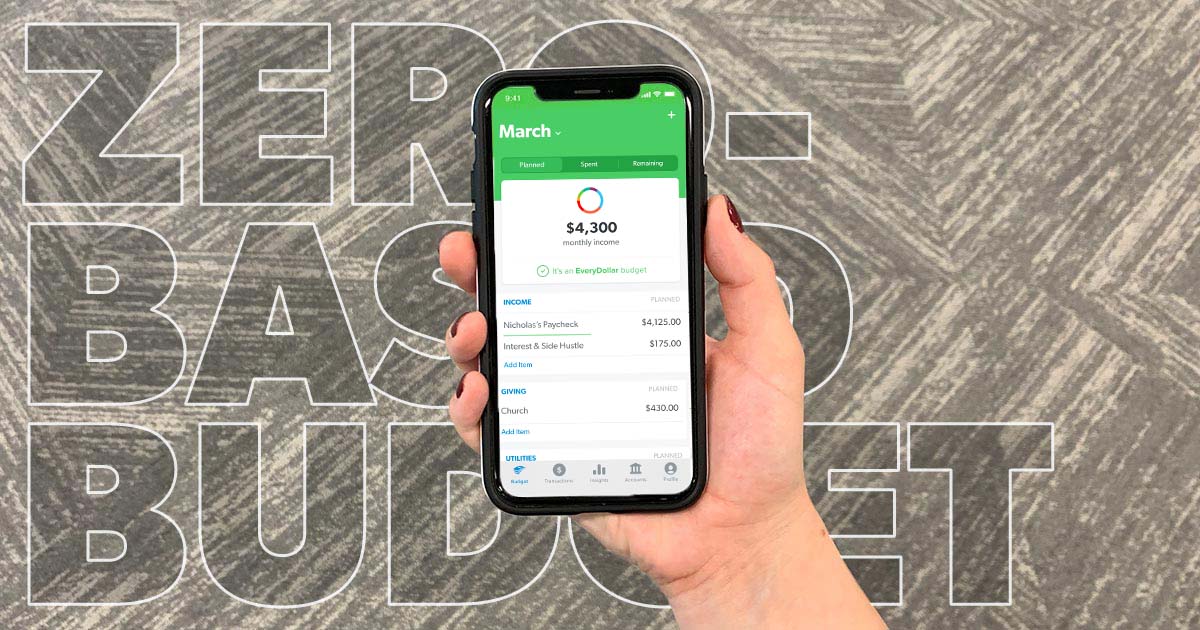 1200×630 based budgeting ramsey from www.ramseysolutions.com
  900×500 based budgeting steps examples based budgeting from www.educba.com



Zero-based Budget For Debt Payoff :
Zero-based Budget For Debt Payoff was posted in January 23, 2026 at 1:24 am. If you wanna have it as yours, please click the Pictures and you will go to click right mouse then Save Image As and Click Save and download the Zero-based Budget For Debt Payoff Picture.. Don’t forget to share this picture with others via Facebook, Twitter, Pinterest or other social medias! we do hope you'll get inspired by SampleTemplates123... Thanks again! If you have any DMCA issues on this post, please contact us!
Related For Zero-based Budget For Debt Payoff

Small Church Budget Sample PDF Down
Small Church Budget Sample PDF Download Basic Services Agreement
Personal Yearly Budget Spreadsheet
Personal Yearly Budget Spreadsheet Template All Things Admin Travel
Printable Wedding Budget Template P
Printable Wedding Budget Template PDF Download Birthday Invitation Template