Lesson Plan Agenda Format
Here’s an explanation of a lesson plan agenda format, optimized for clarity and practical use:
The Anatomy of an Effective Lesson Plan Agenda
A well-structured lesson plan agenda is the backbone of successful teaching. It’s more than just a list of activities; it’s a roadmap that guides both the teacher and the students through the learning journey. A clear and comprehensive agenda ensures that instruction is focused, time is managed efficiently, and learning objectives are achieved. This document outlines the key components of an effective lesson plan agenda format.
I. Essential Components of a Lesson Plan Agenda
A. Header Information: Setting the Stage
The header provides essential context. It’s the quick reference point that allows anyone to understand the lesson’s purpose and scope at a glance.
- Subject: Clearly identify the subject area (e.g., Mathematics, English Language Arts, Science, History).
- Grade Level: Specify the target grade level for the lesson (e.g., 3rd Grade, 8th Grade, 11th Grade).
- Topic: State the specific topic or unit being covered in the lesson (e.g., Fractions, Shakespearean Sonnets, Photosynthesis, The American Revolution).
- Date: Record the date the lesson is to be taught. This helps with organization and future reference.
- Time Allotment: Indicate the total time allocated for the lesson (e.g., 45 minutes, 90 minutes).
B. Learning Objectives: Defining the Destination
Learning objectives are the heart of the lesson. They clearly define what students should know, understand, and be able to do by the end of the lesson. Use action verbs to make the objectives measurable.
- Clearly Defined Statements: Objectives should be concise and easy to understand.
- Action Verbs: Use verbs that indicate observable behaviors (e.g., identify, explain, analyze, compare, create, evaluate). Bloom’s Taxonomy is a helpful resource for selecting appropriate action verbs.
- Measurable: Objectives should be written in a way that allows you to assess whether students have achieved them.
- Example: “Students will be able to identify three major causes of the Civil War and explain their impact on the conflict.”
C. Materials: Gathering the Resources
This section lists all the materials needed for the lesson. Having everything prepared in advance saves valuable class time and ensures a smooth delivery.
- Comprehensive List: Include everything from textbooks and worksheets to technology and art supplies.
- Organization: Consider organizing materials by activity or grouping them for easy access.
- Technology Check: Ensure that all technology (projectors, computers, software) is working properly before the lesson begins.
D. Lesson Procedure: The Step-by-Step Guide
This is the core of the agenda, outlining the specific activities and strategies that will be used to teach the lesson. Each step should be clearly described and time estimates provided.
- Introduction/Anticipatory Set (5-10 minutes): This engages students’ interest and activates prior knowledge. Examples include:
- A brief question or discussion related to the topic.
- A short video clip or image.
- A quick review of previously learned material.
- Direct Instruction/Teacher Input (15-20 minutes): This is where the teacher presents new information, explains concepts, and models skills. Examples include:
- Lectures with visual aids (PowerPoint, whiteboard).
- Demonstrations.
- Guided note-taking.
- Guided Practice (10-15 minutes): Students practice the new skills under the teacher’s supervision. This allows the teacher to provide immediate feedback and support. Examples include:
- Worksheets with sample problems.
- Think-Pair-Share activities.
- Small group discussions.
- Independent Practice (10-15 minutes): Students work independently to reinforce their understanding and develop mastery of the skills. Examples include:
- Completing worksheets or problem sets.
- Writing assignments.
- Reading comprehension activities.
- Assessment (5-10 minutes): This section outlines how student learning will be assessed. It can be formal or informal. Examples include:
- Exit tickets.
- Quick quizzes.
- Observation of student participation.
- Collection of student work.
- Closure (5 minutes): This summarizes the key points of the lesson and provides a sense of completion. Examples include:
- Reviewing the learning objectives.
- Asking students to summarize what they learned.
- Previewing the next lesson.
- Time Estimates: Allocate a specific amount of time for each activity. This helps with pacing and time management during the lesson. Be realistic and flexible, as adjustments may be necessary.
E. Differentiation: Meeting Diverse Needs
This section addresses how the lesson will be adapted to meet the needs of diverse learners, including students with disabilities, English language learners, and gifted students.
- Modifications: Describe any modifications to the content, process, product, or environment that will be implemented to support specific students.
- Accommodations: Outline any accommodations that will be provided to students with disabilities, such as extended time, preferential seating, or assistive technology.
- Enrichment Activities: Provide options for gifted students to extend their learning and explore the topic in greater depth.
F. Assessment: Measuring Success
This section details how student learning will be assessed, both formally and informally. Align assessments with the learning objectives.
- Types of Assessment: Specify the types of assessments that will be used (e.g., formative, summative, diagnostic).
- Assessment Tools: List the specific tools that will be used to collect data (e.g., quizzes, tests, rubrics, observation checklists).
- Data Analysis: Explain how the data collected will be used to inform future instruction.
G. Reflection: Continuous Improvement
This section (often completed after the lesson is taught) allows the teacher to reflect on the effectiveness of the lesson and identify areas for improvement.
- What went well: Identify the aspects of the lesson that were most successful.
- What could be improved: Identify areas where the lesson could be improved.
- Next steps: Outline any changes that will be made to the lesson in the future.
II. Tips for Creating an Effective Lesson Plan Agenda
- Be Specific: Avoid vague language. The more specific your plan, the easier it will be to implement.
- Be Realistic: Estimate time accurately and plan for unexpected events.
- Be Flexible: Be prepared to adapt your plan as needed based on student responses and classroom dynamics.
- Use a Template: A template can help you stay organized and ensure that you include all the essential components.
- Collaborate: Share your lesson plans with colleagues and solicit feedback.
III. Conclusion
A well-designed lesson plan agenda is an invaluable tool for effective teaching. By following this format and incorporating these tips, you can create a roadmap that will guide you and your students to success.
 476×592 lesson plan format elementary early childhood education handbook from eecehandbook.weebly.com
  626×800 lesson plan format fotolip from www.fotolip.com
  500×729 downloadable lesson plan format microsoft word templates from www.class-templates.com
 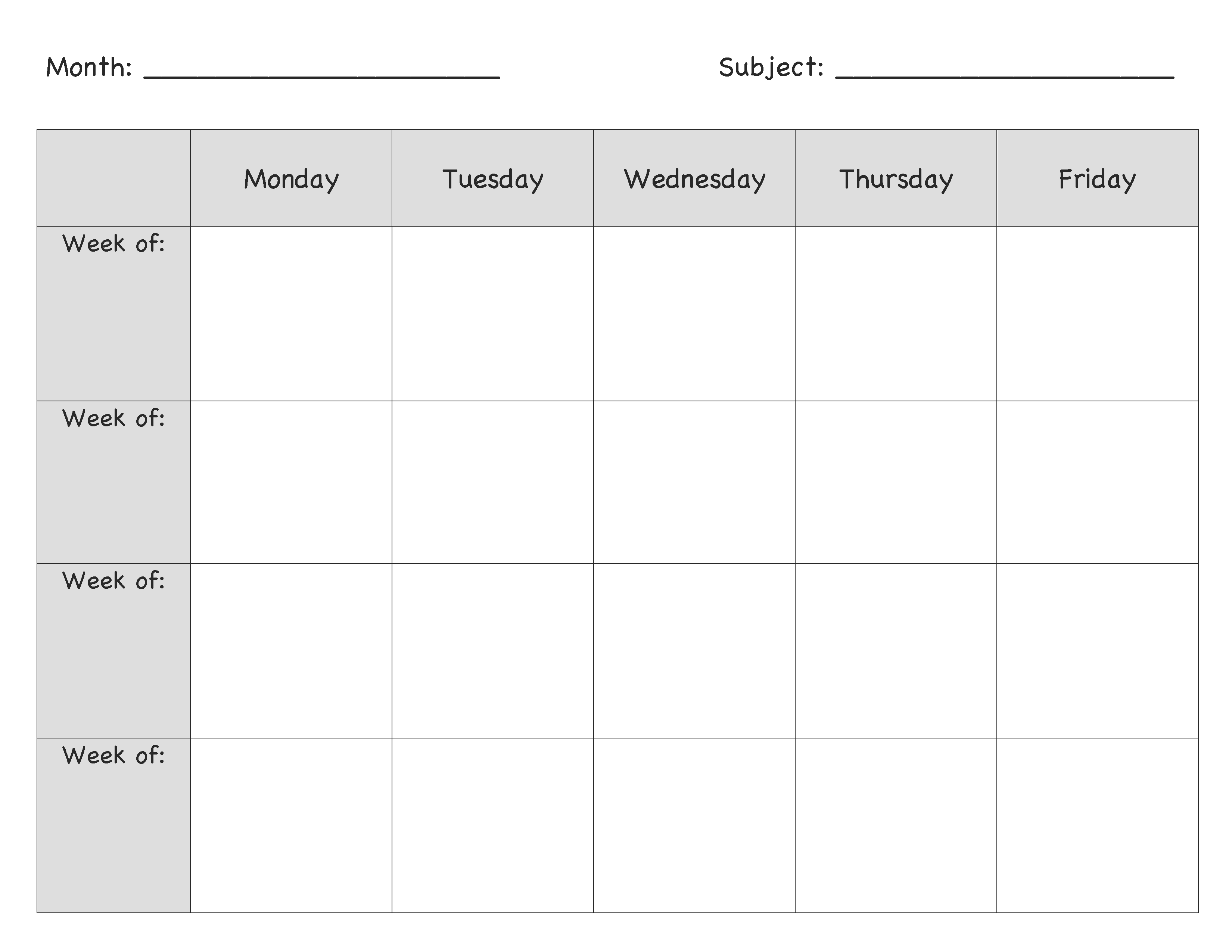 3300×2550 englishlinxcom lesson plan template from englishlinx.com
  816×1056 lesson plan format templates allbusinesstemplatescom from www.allbusinesstemplates.com
  724×1024 editable printable lesson plan templates from edit.org
  1650×1275 weekly lesson plan calendar template calendar printable from lornosa.com
  462×600 lesson plan templates printable word excel formats from www.sampleformats.org
  639×768 lesson planner format sampletemplatess sampletemplatess from www.sampletemplatess.com


Lesson Plan Agenda Format :
Lesson Plan Agenda Format was posted in May 10, 2025 at 9:35 am. If you wanna have it as yours, please click the Pictures and you will go to click right mouse then Save Image As and Click Save and download the Lesson Plan Agenda Format Picture.. Don’t forget to share this picture with others via Facebook, Twitter, Pinterest or other social medias! we do hope you'll get inspired by SampleTemplates123... Thanks again! If you have any DMCA issues on this post, please contact us!