Career Planning Agenda Template
Career Planning Agenda Template: A Roadmap to Your Professional Success
A career planning agenda template is a structured framework that outlines the steps and topics you should cover when strategizing your professional path. It’s not just a static document; it’s a dynamic tool that helps you define your goals, assess your skills, explore opportunities, and ultimately, create a plan to achieve your desired career trajectory. Whether you’re a recent graduate, a seasoned professional seeking a change, or simply looking to enhance your current role, a well-crafted agenda template can provide clarity, focus, and a sense of control over your career development.
Key Components of a Career Planning Agenda Template
A comprehensive career planning agenda template typically includes the following key sections:
1. Self-Assessment: Knowing Yourself
This foundational section focuses on understanding your personal values, interests, skills, and personality traits. It’s about gaining a deeper insight into what truly motivates you and what you’re naturally good at. Consider these elements:
- Values: What principles are most important to you in a job and in life? (e.g., creativity, work-life balance, financial security, social impact). Prioritizing your values helps you identify roles and organizations that align with your core beliefs, leading to greater job satisfaction.
- Interests: What activities do you genuinely enjoy? What topics do you find yourself drawn to? Aligning your career with your interests makes work feel less like a chore and more like a fulfilling pursuit.
- Skills: What are your strengths and weaknesses? What technical skills do you possess? What soft skills (communication, teamwork, problem-solving) are you proficient in? Conduct a thorough skills inventory to identify areas where you excel and areas where you need improvement.
- Personality: How do you interact with others? Are you introverted or extroverted? Are you detail-oriented or big-picture focused? Understanding your personality can help you find roles that suit your natural work style and preferences. Consider taking personality assessments like Myers-Briggs or Enneagram to gain further insights.
Agenda Items:
- Conduct a values assessment exercise.
- List your top 5 interests and hobbies.
- Create a skills inventory, categorizing skills as “expert,” “proficient,” or “needs improvement.”
- Reflect on your personality traits and how they impact your work style.
2. Career Exploration: Identifying Opportunities
Once you have a solid understanding of yourself, it’s time to explore potential career paths that align with your self-assessment. This involves researching different industries, roles, and organizations. Think about:
- Industry Research: What industries are growing? What are the trends and challenges in those industries? Explore industries that align with your interests and values.
- Role Exploration: What types of roles exist within your chosen industries? What are the day-to-day responsibilities? What are the required skills and qualifications? Research different roles to find those that match your skills and interests.
- Networking: Talk to people working in fields that interest you. Ask them about their experiences, challenges, and advice. Networking provides invaluable insights and can open doors to opportunities you might not have considered.
- Informational Interviews: Conduct informational interviews with professionals in your target roles. Prepare thoughtful questions about their career paths, responsibilities, and advice for aspiring professionals.
Agenda Items:
- Identify 3-5 industries that align with your interests and values.
- Research 2-3 roles within each industry that seem appealing.
- Attend industry events or webinars.
- Schedule informational interviews with professionals in your target fields.
3. Goal Setting: Defining Your Destination
With a better understanding of yourself and the available opportunities, you can now set clear, measurable, achievable, relevant, and time-bound (SMART) goals. Break down your long-term career aspirations into smaller, manageable steps. Consider both short-term (1-2 years) and long-term (5-10 years) goals.
- Short-Term Goals: Focus on immediate steps like acquiring new skills, gaining relevant experience, or networking with key individuals.
- Long-Term Goals: Define your ultimate career aspirations. Where do you see yourself in 5, 10, or even 20 years? What level of responsibility do you aspire to achieve?
- SMART Goals: Ensure that each goal is Specific, Measurable, Achievable, Relevant, and Time-bound. For example, instead of saying “I want to improve my communication skills,” set a SMART goal like “I will complete a public speaking course within the next 6 months.”
Agenda Items:
- Define 2-3 short-term career goals.
- Define 1-2 long-term career goals.
- Ensure that all goals are SMART.
4. Skill Development: Bridging the Gap
Identify any skills gaps that need to be addressed to achieve your career goals. Develop a plan to acquire the necessary skills through courses, workshops, online learning platforms, or on-the-job training. Focus on both technical skills and soft skills.
- Identify Skills Gaps: Compare your current skills with the requirements of your target roles. Identify any discrepancies.
- Develop a Learning Plan: Outline the steps you will take to acquire the necessary skills. This might include taking online courses, attending workshops, reading industry publications, or seeking mentorship.
- Track Your Progress: Regularly assess your progress and adjust your learning plan as needed.
Agenda Items:
- Identify 3-5 skills gaps that need to be addressed.
- Research relevant courses, workshops, or online learning platforms.
- Create a learning schedule and track your progress.
5. Action Planning: Creating Your Roadmap
Translate your goals and skill development plan into a concrete action plan with specific steps, timelines, and resources. This is your roadmap to achieving your career aspirations.
- Define Actionable Steps: Break down each goal into smaller, manageable tasks.
- Set Timelines: Assign deadlines to each task to maintain momentum and track progress.
- Identify Resources: Determine what resources you will need to complete each task (e.g., funding for courses, access to mentors, networking opportunities).
- Review and Adjust: Regularly review your action plan and make adjustments as needed based on your progress and changing circumstances.
Agenda Items:
- Create a detailed action plan for each career goal.
- Set realistic timelines for each task.
- Identify the resources needed to complete each task.
6. Review and Revision: Staying on Track
Regularly review and revise your career plan to ensure it remains relevant and aligned with your evolving goals and the changing job market. Schedule regular check-ins (e.g., monthly or quarterly) to assess your progress and make necessary adjustments.
- Assess Progress: Evaluate your progress toward your goals. Are you on track? Are there any obstacles that need to be addressed?
- Revise Goals: As you gain experience and learn more about your field, your goals may evolve. Be prepared to revise your goals as needed.
- Update Skills: The job market is constantly changing, so it’s important to stay up-to-date on the latest skills and technologies.
Agenda Items:
- Schedule regular career planning check-ins.
- Assess your progress toward your goals.
- Revise your goals and action plan as needed.
Benefits of Using a Career Planning Agenda Template
Using a career planning agenda template offers numerous benefits:
- Increased Clarity: Provides a clear roadmap for your career development.
- Improved Focus: Helps you prioritize your efforts and stay on track.
- Enhanced Motivation: Creates a sense of control and empowers you to take charge of your career.
- Better Decision-Making: Provides a framework for making informed career choices.
- Increased Confidence: Boosts your confidence in your ability to achieve your career goals.
Conclusion
A career planning agenda template is an invaluable tool for anyone seeking to navigate their professional journey with intention and purpose. By taking the time to conduct a thorough self-assessment, explore career opportunities, set SMART goals, develop your skills, create an action plan, and regularly review your progress, you can increase your chances of achieving your desired career outcomes and living a more fulfilling professional life. Embrace the power of planning, and pave the way for a successful and rewarding career.
 1211×1584 career planning checklist template sampletemplatess sampletemplatess from www.sampletemplatess.com
  534×432 career planning checklist layout sampletemplatess sampletemplatess from www.sampletemplatess.com
  1567×1224 career planning checklist template from www.sampletemplatess.com
  440×570 career plan templates word google docs apple pages from www.template.net
  1200×750 career plan template impact interview from www.impactinterview.com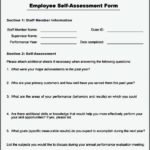


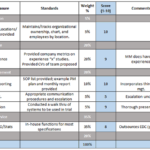

Career Planning Agenda Template :
Career Planning Agenda Template was posted in June 1, 2025 at 10:24 pm. If you wanna have it as yours, please click the Pictures and you will go to click right mouse then Save Image As and Click Save and download the Career Planning Agenda Template Picture.. Don’t forget to share this picture with others via Facebook, Twitter, Pinterest or other social medias! we do hope you'll get inspired by SampleTemplates123... Thanks again! If you have any DMCA issues on this post, please contact us!
Related For Career Planning Agenda Template
