Resume Building Workshop Agenda
Here’s an HTML outline for a resume building workshop agenda, focusing on impactful content and practical exercises:
Resume Building Workshop: Crafting Your Career Story
Welcome & Introductions (10 minutes)
Briefly welcome participants and set the stage for the workshop. Highlight the importance of a strong resume in today’s competitive job market.
- Icebreaker: A quick round of introductions, asking each participant to share their industry of interest and a specific resume challenge they’re facing.
- Workshop Overview: Briefly outline the agenda and learning objectives. Emphasize the interactive nature of the session and encourage active participation.
- Setting Expectations: Clarify that the workshop provides foundational knowledge and practical tools, and that individual resume review might require additional personalized consultation.
Understanding the Modern Resume Landscape (20 minutes)
Explore the evolution of resume standards and the key trends influencing hiring decisions.
- ATS (Applicant Tracking Systems) Demystified:
- Explanation of how ATS works and its impact on resume screening.
- Importance of keywords and formatting for ATS compatibility.
- Common ATS mistakes and how to avoid them.
- Beyond the Chronological: Exploring different resume formats (functional, combination) and when to use them. A brief discussion about targeted resumes for specific roles.
- The “So What?” Factor: Emphasize the importance of quantifying achievements and demonstrating impact, not just listing responsibilities.
- The Power of Visual Appeal: Discuss the importance of clean design, readability, and the appropriate use of white space.
Dissecting the Anatomy of a Powerful Resume (60 minutes)
A deep dive into each section of the resume, providing guidance and best practices.
Contact Information: The Foundation (5 minutes)
- Ensuring Accuracy and Professionalism: Stress the importance of using a professional email address and a current phone number.
- LinkedIn Profile: Integrating your LinkedIn URL for easy access to your online professional presence.
- Optional Information: Discussing whether to include address, portfolio links, and other relevant information.
The Compelling Summary/Objective (10 minutes)
- Summary vs. Objective: Explaining the difference and when to use each. The modern preference leans heavily toward summaries.
- Crafting a Strong Summary: Focusing on key skills, experience, and career goals aligned with the target job. Emphasizing value proposition.
- Avoiding Generic Language: Encouraging participants to use action verbs and quantifiable achievements in their summary.
- Example Summary statements: Provide examples of well written summary statements.
Experience Section: Showcasing Your Accomplishments (30 minutes)
- The STAR Method: Introducing the STAR method (Situation, Task, Action, Result) as a framework for describing experiences.
- Quantifying Results: Emphasizing the importance of using numbers, percentages, and other metrics to demonstrate impact.
- Action Verbs: Providing a list of strong action verbs to use in each bullet point.
- Tailoring to the Job Description: Stressing the importance of aligning experience descriptions with the requirements of the target job.
- Addressing Employment Gaps: Discussing strategies for addressing employment gaps in a positive and proactive manner.
- Activity: Participants draft 2-3 bullet points for a past role using the STAR method, focusing on quantifying results.
Skills Section: Demonstrating Your Expertise (10 minutes)
- Hard Skills vs. Soft Skills: Defining the difference and providing examples of each.
- Keyword Optimization: Highlighting the importance of including relevant keywords from the job description.
- Categorizing Skills: Suggesting different ways to organize skills (e.g., technical skills, communication skills, project management skills).
- Tools and Technologies: Specifying the software and technologies that participants are proficient in.
- Skills Assessment Tools: Briefly mentioning online skills assessment tools that can help identify and quantify skills.
Education & Certifications: Highlighting Your Credentials (5 minutes)
- Listing Education Information: Providing guidelines for listing degrees, universities, and graduation dates.
- Certifications and Licenses: Emphasizing the importance of including relevant certifications and licenses.
- GPA and Honors: Discussing when it is appropriate to include GPA and honors information.
Additional Sections: Customizing Your Resume (Optional) (5 minutes)
- Projects: Including personal or academic projects to showcase skills and experience.
- Volunteer Experience: Highlighting volunteer work that demonstrates relevant skills and values.
- Awards and Recognition: Listing any awards or recognition received for professional achievements.
- Publications and Presentations: Including publications and presentations to demonstrate expertise in a particular field.
Formatting & Design Best Practices (20 minutes)
Practical tips for creating a visually appealing and easy-to-read resume.
- Font Choice and Size: Recommending professional and readable fonts.
- White Space: Emphasizing the importance of using white space to improve readability.
- Margins and Alignment: Providing guidelines for setting appropriate margins and aligning text.
- File Format: Discussing the pros and cons of using different file formats (e.g., PDF, Word). PDF is the standard.
- Using Templates: Providing guidance on choosing and customizing resume templates.
- Consistency is Key: Stress the importance of maintaining consistent formatting throughout the resume.
- Accessibility: How to make your resume accessible for people with disabilities.
Resume Review & Feedback (20 minutes)
A chance for participants to share their resumes and receive constructive feedback.
- Volunteer Resume Reviews: Selecting a few participants to share their resumes and receive feedback from the facilitator and other participants.
- Constructive Feedback Guidelines: Providing guidelines for giving and receiving constructive feedback.
- Focus on Content and Clarity: Emphasizing the importance of focusing on content and clarity during the review process.
- Addressing Common Mistakes: Highlighting common resume mistakes and providing suggestions for improvement.
- Peer Review Exercise: If time permits, have participants pair up to review each other’s resumes.
Wrap-Up & Resources (10 minutes)
Summarize key takeaways and provide resources for continued learning.
- Key Takeaways: Briefly summarizing the key concepts and best practices covered in the workshop.
- Online Resources: Providing a list of helpful websites, articles, and templates.
- Further Learning Opportunities: Mentioning any additional workshops, courses, or career coaching services that are available.
- Q&A: Answering any remaining questions from participants.
- Call to Action: Encourage participants to revise their resumes and start applying for jobs.
- Thank You & Feedback: Thank participants for their participation and solicit feedback on the workshop.
 960×576 resume building workshop ssu business administration bba mba msit from ssu.edu
  2550×3300 resume building workshop worksource cobb from www.worksourcecobb.org
  1024×576 resume building workshop ubc okanagan calendar from events.ok.ubc.ca
  1920×1280 resume building workshop intellectual point from intellectualpoint.com
 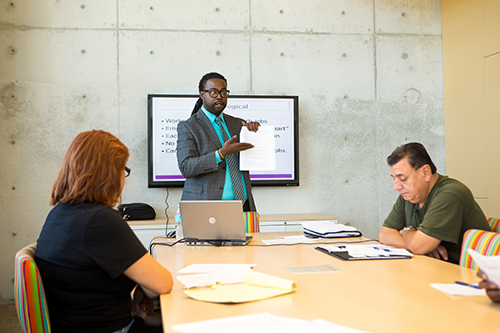 500×333 resume building workshop san diego workforce partnership from workforce.org
  2550×3300 resume building workshop nov cobbworks from www.worksourcecobb.org
  728×546 resume building workshop from www.slideshare.net
  1600×1067 resume writing workshop redeemer church from redeemerjackson.com


Resume Building Workshop Agenda :
Resume Building Workshop Agenda was posted in September 8, 2025 at 8:38 pm. If you wanna have it as yours, please click the Pictures and you will go to click right mouse then Save Image As and Click Save and download the Resume Building Workshop Agenda Picture.. Don’t forget to share this picture with others via Facebook, Twitter, Pinterest or other social medias! we do hope you'll get inspired by SampleTemplates123... Thanks again! If you have any DMCA issues on this post, please contact us!