Dev Team Standup Agenda
Dev Team Standup Agenda: A Comprehensive Guide
The daily standup meeting, also known as a daily scrum, is a cornerstone of agile software development. It’s a short, focused meeting designed to keep the development team synchronized and to identify and address any roadblocks impeding progress. A well-structured agenda ensures these meetings remain productive, efficient, and valuable for all participants.
Core Principles Guiding the Agenda
Before diving into the specifics of the agenda, it’s crucial to understand the underlying principles that shape its design:
- Timeboxing: The meeting should be strictly time-boxed, typically to 15 minutes. This brevity forces participants to be concise and prevents discussions from derailing.
- Focus on Progress: The primary goal is to assess progress towards the sprint goal, not to solve problems in real-time.
- Transparency and Collaboration: The standup should foster transparency among team members, allowing everyone to stay informed and collaborate effectively.
- Problem Identification, Not Problem Solving: The standup is for identifying obstacles, not resolving them. Complex issues are best addressed in follow-up conversations.
- Forward-Looking: The focus is on what will be accomplished today and in the near future, rather than dwelling on past mistakes or failures.
The Standard Agenda: Three Key Questions
The most common and effective agenda for a daily standup revolves around three core questions, answered by each team member:
- What did I do yesterday that helped the Development Team meet the Sprint Goal?
This question encourages reflection on the previous day’s accomplishments. It allows team members to share their contributions and demonstrate their progress towards the sprint goal. It also provides context for other team members, helping them understand how their own work fits into the bigger picture.
When answering this question, be specific and avoid vague statements. Instead of saying “I worked on the user interface,” provide more detail, such as “I implemented the user authentication form and tested its functionality.”
- What will I do today to help the Development Team meet the Sprint Goal?
This question focuses on the upcoming day’s planned activities. It encourages team members to plan their day effectively and align their efforts with the sprint goal. It also allows the team to anticipate potential dependencies and coordinate their work.
Again, be specific and realistic. Break down larger tasks into smaller, manageable chunks that can be accomplished within a single day. This fosters a sense of accomplishment and helps maintain momentum.
- Do I see any impediments that prevent me or the Development Team from meeting the Sprint Goal?
This question is crucial for identifying and addressing roadblocks. It provides an opportunity for team members to raise any issues that are hindering their progress, whether technical, organizational, or personal. This includes dependencies on other team members, technical challenges, lack of resources, or any other obstacles that may be preventing them from completing their tasks.
It’s important to frame impediments as obstacles to the sprint goal, rather than simply personal complaints. This helps to keep the focus on the team’s overall objectives and encourages collective problem-solving.
Structuring the Standup Meeting
Beyond the three core questions, the standup agenda can be further structured to maximize efficiency and effectiveness:
- Preparation: Team members should come prepared to answer the three questions. This means having a clear understanding of their progress, their planned activities, and any potential impediments. A quick review of their task board or to-do list before the meeting can be helpful.
- Order of Speaking: Establish a consistent order of speaking to avoid confusion and wasted time. This could be based on the sprint backlog order, alphabetical order, or any other system that works for the team. Rotate the order regularly to ensure everyone has an opportunity to speak early in the meeting.
- Active Listening: Team members should actively listen to each other’s updates. This helps to identify potential dependencies, anticipate problems, and foster a sense of shared responsibility.
- Parking Lot: Any discussions that require more than a few minutes should be deferred to a “parking lot” for later discussion. This prevents the standup from becoming a problem-solving session and keeps it focused on its primary goal of synchronization.
- Action Items: If any action items arise during the standup, they should be clearly assigned to specific team members and tracked. This ensures that issues are followed up on and resolved promptly.
- Follow-Up Meetings: Schedule follow-up meetings as needed to address complex issues or dependencies identified during the standup. These meetings should involve only the team members who are directly affected.
- Visual Aids: Using visual aids, such as a sprint backlog board or a burndown chart, can help to provide context and track progress. These visuals can be displayed prominently during the standup meeting.
Adapting the Agenda to Your Team
While the standard agenda is a good starting point, it’s important to adapt it to the specific needs of your team. Consider the following factors when customizing the agenda:
- Team Size: For larger teams, you may need to adjust the agenda to ensure that the standup remains time-boxed. This could involve shortening the time allotted to each team member or focusing on only the most critical updates.
- Project Complexity: For complex projects, you may need to add additional questions to the agenda to address specific challenges. For example, you might ask team members to identify any risks or dependencies that are critical to the project’s success.
- Team Dynamics: The agenda should be tailored to the team’s communication style and preferences. Some teams may prefer a more structured approach, while others may prefer a more informal discussion.
Example Agenda
Here’s an example of a daily standup agenda:
- Start Time: 10:00 AM
- Location: [Meeting Room/Video Conference Link]
- Timebox: 15 minutes
- Facilitator: [Rotating Role/Scrum Master]
- Agenda Items:
- Each team member answers the following questions:
- What did I do yesterday that helped the Development Team meet the Sprint Goal?
- What will I do today to help the Development Team meet the Sprint Goal?
- Do I see any impediments that prevent me or the Development Team from meeting the Sprint Goal?
- Any action items or follow-up meetings are noted.
- Each team member answers the following questions:
Conclusion
A well-defined and consistently followed standup agenda is crucial for fostering effective communication, collaboration, and progress tracking within a development team. By adhering to the principles of timeboxing, focus on progress, and transparency, the daily standup can become a powerful tool for achieving the sprint goal and delivering high-quality software.
 1034×675 scrum standup meetings vtiger experts from www.vtexperts.com
  1200×840 collaborative daily standup template agile teams editable from conceptboard.com
  1024×628 complete guide daily standup meeting agenda range from www.range.co
  589×438 heartbeat scrum daily standup from www.visual-paradigm.com
  1600×900 daily standup meetings standup agenda purpose common pitfalls from geekbot.com
  4800×3060 daily standup meeting template agile stand asana from asana.com
 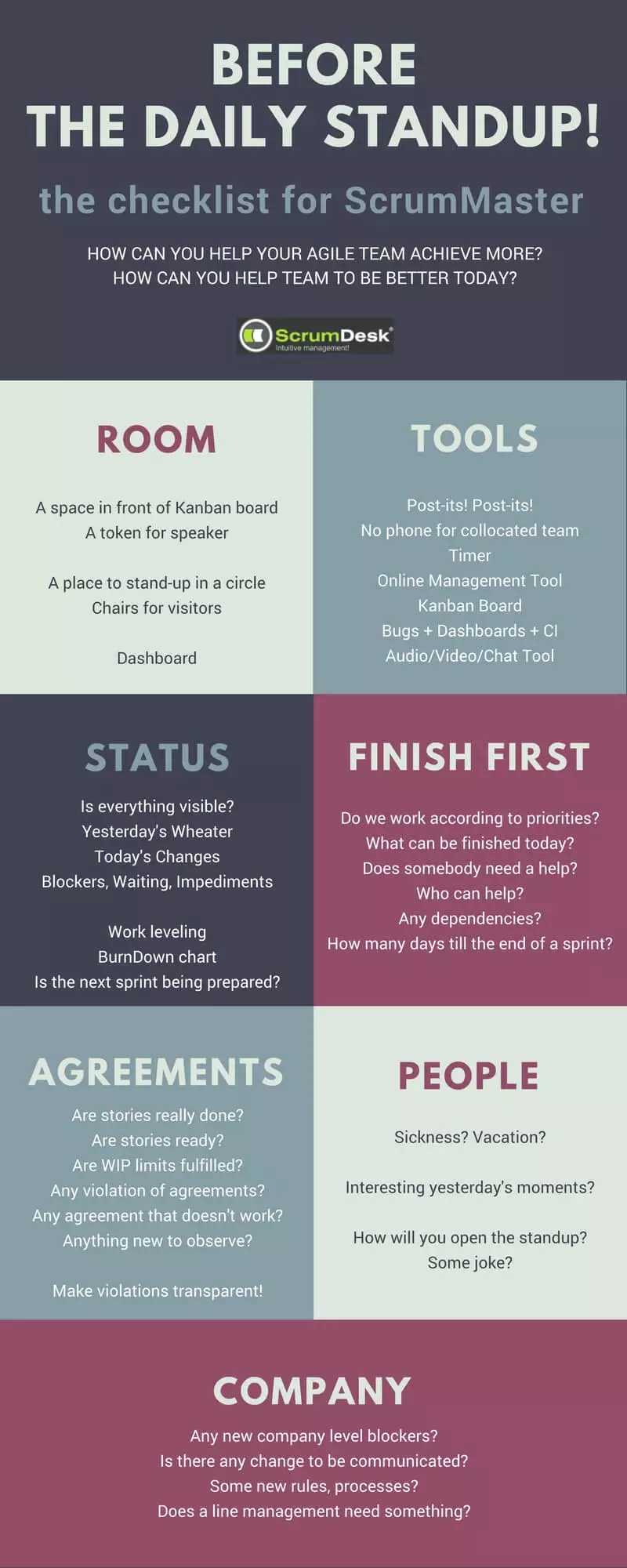 800×2000 daily standup daily meeting scrumdesk scrum correctly from www.scrumdesk.com


Dev Team Standup Agenda :
Dev Team Standup Agenda was posted in October 27, 2025 at 6:27 pm. If you wanna have it as yours, please click the Pictures and you will go to click right mouse then Save Image As and Click Save and download the Dev Team Standup Agenda Picture.. Don’t forget to share this picture with others via Facebook, Twitter, Pinterest or other social medias! we do hope you'll get inspired by SampleTemplates123... Thanks again! If you have any DMCA issues on this post, please contact us!