Tutoring Session Agenda Format
Creating Effective Tutoring Session Agendas
A well-structured tutoring session agenda is crucial for maximizing learning outcomes. It provides a roadmap for both the tutor and the student, ensuring focus, efficient use of time, and a clear understanding of the session’s goals. A detailed agenda keeps everyone on track, promotes active participation, and contributes to a more productive and rewarding learning experience. This guide outlines a comprehensive tutoring session agenda format applicable across various subjects and skill levels.
Key Components of a Tutoring Session Agenda
- Session Overview and Goals (5-10 minutes)
Start each session with a brief overview of the intended topics and objectives. Clearly stating the goals at the outset sets the tone for a purposeful learning experience.
- Welcome and Check-In: Greet the student and inquire about their well-being. A quick check-in can reveal potential challenges or anxieties that might impact learning, allowing for adjustments to the session plan.
- Review Previous Session: Briefly recap the main concepts covered in the previous session. This helps reinforce prior learning and provides a bridge to the current topic. Address any lingering questions or areas of confusion from the previous meeting.
- Set Today’s Objectives: Clearly articulate the specific learning goals for the session. Use action verbs to describe what the student will be able to do by the end of the session (e.g., “By the end of this session, you will be able to solve quadratic equations, identify different types of literary devices, or explain the principles of photosynthesis”).
- Agenda Outline: Present a brief overview of the topics to be covered during the session. This gives the student a sense of structure and allows them to anticipate the learning activities.
- Review of Homework/Assignments (15-20 minutes)
Analyzing completed assignments is vital for identifying areas where the student excels and where they require additional support. This segment focuses on addressing misconceptions and providing targeted feedback.
- Collect and Review Homework: Promptly collect any assigned homework or practice problems.
- Identify Problem Areas: Ask the student to identify specific questions or concepts they struggled with. Encourage them to articulate their thought process and pinpoint where they encountered difficulties.
- Provide Targeted Feedback: Offer constructive criticism and detailed explanations to address errors and misconceptions. Focus on the underlying principles and reasoning, rather than simply providing the correct answers.
- Encourage Self-Reflection: Promote metacognition by asking the student to reflect on their learning process. “What strategies did you use to solve this problem?” or “Why do you think you made this mistake?” This helps them develop self-awareness and improve their problem-solving skills.
- Core Lesson/Concept Instruction (30-45 minutes)
This is the heart of the tutoring session, where new concepts are introduced and explored. Employ a variety of teaching strategies to cater to different learning styles and promote active engagement.
- Introduce New Material: Present the new concept in a clear and concise manner, using language appropriate for the student’s level of understanding.
- Provide Examples and Illustrations: Use concrete examples, real-world applications, and visual aids to illustrate the concept and make it more relatable.
- Active Learning Activities: Incorporate activities that encourage active participation, such as problem-solving exercises, group discussions, concept mapping, or simulations.
- Differentiated Instruction: Adapt your teaching approach to meet the student’s individual needs and learning style. This might involve providing additional scaffolding for struggling learners or offering more challenging activities for advanced students.
- Check for Understanding: Regularly assess the student’s comprehension by asking questions, posing scenarios, or having them explain the concept in their own words.
- Practice and Application (20-30 minutes)
Reinforce learning through practice exercises and application of the new concepts. This segment allows the student to solidify their understanding and develop problem-solving skills.
- Independent Practice: Provide a set of practice problems or exercises that allow the student to apply the newly learned concepts independently.
- Guided Practice: Offer support and guidance as needed, providing hints or clarifications when the student encounters difficulties.
- Collaborative Problem-Solving: Work together with the student to solve more complex problems, modeling effective problem-solving strategies and encouraging critical thinking.
- Real-World Application: Explore how the concept applies to real-world situations or other academic subjects. This helps the student see the relevance and value of the material.
- Review and Wrap-Up (5-10 minutes)
Summarize the key takeaways from the session and provide a clear plan for future learning. This ensures that the student leaves with a sense of accomplishment and a clear direction for continued progress.
- Summarize Key Concepts: Briefly review the main topics covered during the session, highlighting the most important concepts and skills.
- Address Remaining Questions: Provide an opportunity for the student to ask any remaining questions or clarify any lingering confusion.
- Assign Homework/Practice: Assign relevant homework or practice problems to reinforce learning and prepare for the next session.
- Preview Next Session: Briefly outline the topics to be covered in the next session, providing the student with a sense of anticipation and direction.
- Provide Positive Feedback: Offer specific and genuine praise for the student’s effort and progress. This can boost their confidence and motivation.
- Seek Feedback: Ask the student for feedback on the session. What worked well? What could be improved? This allows you to tailor your tutoring approach to better meet their needs.
Adaptability and Flexibility
While this agenda format provides a solid framework, it’s essential to be adaptable and flexible. The specific time allocation for each segment may need to be adjusted based on the student’s needs, the complexity of the material, and the available time. Be prepared to deviate from the agenda if necessary to address pressing questions or explore unexpected learning opportunities. The most important goal is to create a supportive and engaging learning environment that fosters understanding and promotes academic success.
 600×730 agenda templates from www.template.net
 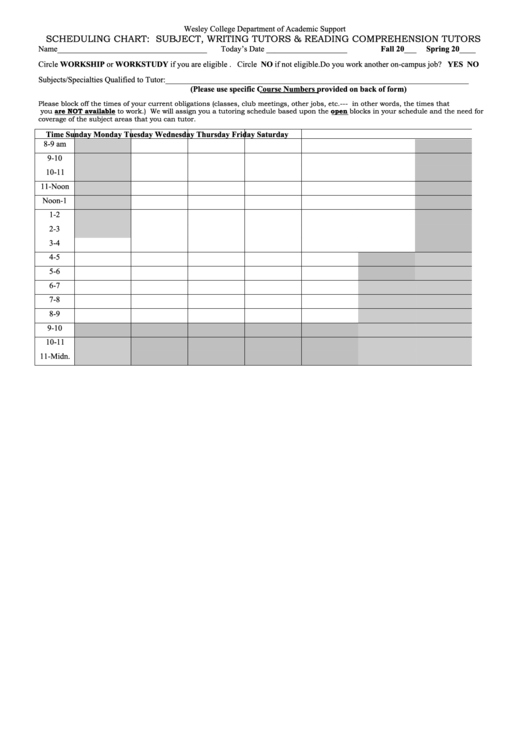 530×749 top tutoring schedule templates format from www.formsbank.com
  600×730 training agenda examples from www.examples.com
 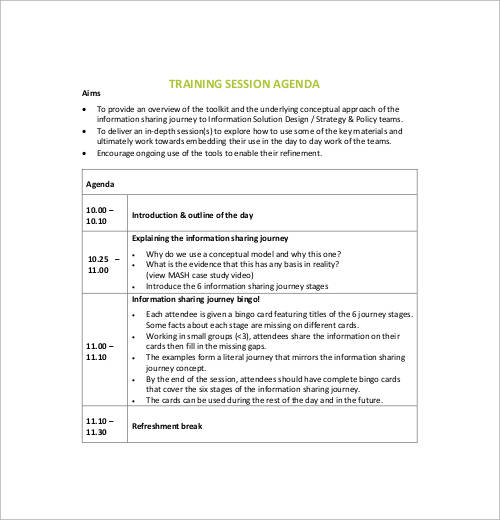 500×520 sample agenda templates ms word from www.sampletemplates.com
  2480×3508 training session agenda templates allbusinesstemplatescom from www.allbusinesstemplates.com




Tutoring Session Agenda Format :
Tutoring Session Agenda Format was posted in June 10, 2025 at 7:27 am. If you wanna have it as yours, please click the Pictures and you will go to click right mouse then Save Image As and Click Save and download the Tutoring Session Agenda Format Picture.. Don’t forget to share this picture with others via Facebook, Twitter, Pinterest or other social medias! we do hope you'll get inspired by SampleTemplates123... Thanks again! If you have any DMCA issues on this post, please contact us!
Related For Tutoring Session Agenda Format
