Warehouse Planning Agenda
Warehouse Planning Agenda: A Comprehensive Guide
Effective warehouse planning is crucial for streamlining operations, maximizing efficiency, and minimizing costs. A well-structured planning agenda ensures that all critical aspects are considered, leading to a warehouse environment that supports business objectives and adapts to evolving demands. This document outlines a comprehensive warehouse planning agenda, encompassing key considerations and action items.
I. Initial Assessment and Goal Setting
A. Current State Analysis
The first step involves a thorough evaluation of the existing warehouse operations. This includes:
- Capacity Utilization: Determine how efficiently the current storage space is being used. Analyze inventory turnover rates, storage density, and identify any areas of underutilized or overutilized space. Measure pallet locations, shelf space, and bin locations to quantify utilization.
- Operational Flow: Map the movement of goods through the warehouse, from receiving to shipping. Identify bottlenecks, redundant processes, and areas where material handling can be optimized. Use process mapping techniques to visualize the flow and pinpoint inefficiencies.
- Technology Infrastructure: Evaluate the current Warehouse Management System (WMS), barcode scanning systems, RFID technology, and other technological tools. Assess their effectiveness, integration capabilities, and identify areas for improvement or upgrade.
- Labor Productivity: Analyze labor costs, picking rates, put-away rates, and overall employee efficiency. Identify training needs and opportunities to improve productivity through automation or process optimization. Use metrics such as units per hour and lines per day to track performance.
- Safety and Compliance: Review safety protocols, equipment maintenance schedules, and compliance with relevant regulations. Identify potential hazards and implement corrective actions to ensure a safe working environment. This includes OSHA compliance, fire safety regulations, and proper material handling procedures.
B. Defining Objectives and Key Performance Indicators (KPIs)
Clearly defined objectives provide a roadmap for the planning process. These objectives should be SMART (Specific, Measurable, Achievable, Relevant, and Time-bound). Examples include:
- Reduce Order Fulfillment Time: Set a target for reducing the average time it takes to fulfill an order, from order placement to shipment. This might involve optimizing picking routes, improving inventory accuracy, or automating certain processes.
- Increase Storage Capacity: Determine the desired increase in storage capacity, either through better space utilization or physical expansion. Consider vertical storage solutions, narrow aisle racking, or other space-saving strategies.
- Improve Inventory Accuracy: Set a target for reducing inventory discrepancies and improving overall accuracy. Implement cycle counting procedures, upgrade the WMS, or improve receiving and put-away processes.
- Reduce Operational Costs: Identify areas where costs can be reduced, such as labor, utilities, or material handling. Implement energy-efficient lighting, optimize equipment utilization, or renegotiate contracts with suppliers.
- Enhance Employee Safety: Implement measures to reduce workplace accidents and injuries. This could involve providing better training, improving safety equipment, or redesigning work areas.
Key Performance Indicators (KPIs) should be established to track progress towards these objectives. Examples include:
- Order Fulfillment Time
- Inventory Accuracy Rate
- Storage Utilization Rate
- Picking Accuracy Rate
- Shipping Accuracy Rate
- Employee Productivity
- Safety Incident Rate
II. Space Planning and Layout Design
A. Analyzing Storage Requirements
This involves determining the optimal storage layout based on:
- Inventory Profile: Analyze the size, weight, and storage requirements of different products. Classify inventory based on velocity (ABC analysis) to determine optimal storage locations.
- Throughput Requirements: Estimate the volume of goods that will be received, stored, and shipped daily or weekly. Design the layout to accommodate peak periods and seasonal fluctuations.
- Storage Methods: Evaluate different storage methods, such as pallet racking, shelving, bin storage, and bulk storage. Select the most appropriate methods based on the characteristics of the inventory and throughput requirements.
- Material Handling Equipment: Determine the types of material handling equipment that will be required, such as forklifts, pallet jacks, conveyors, and automated storage and retrieval systems (AS/RS).
B. Developing Layout Options
Create multiple layout options that address the storage requirements and operational flow. Consider factors such as:
- Receiving and Shipping Areas: Designate separate areas for receiving and shipping, with adequate space for staging and processing goods.
- Picking and Packing Areas: Optimize the location of picking and packing areas to minimize travel distances and improve efficiency.
- Storage Zones: Create dedicated storage zones for different types of inventory, based on velocity, size, and storage requirements.
- Aisles and Traffic Flow: Designate clear and unobstructed aisles to ensure safe and efficient movement of personnel and equipment.
- Expansion Potential: Consider the potential for future expansion and design the layout to accommodate future growth.
C. Evaluating and Selecting the Optimal Layout
Evaluate each layout option based on factors such as:
- Storage Capacity
- Operational Efficiency
- Material Handling Costs
- Safety
- Flexibility
- Cost of Implementation
Select the layout that best meets the objectives and KPIs, considering both short-term and long-term needs.
III. Technology and Automation
A. Evaluating WMS and other Software Solutions
A robust WMS is essential for managing inventory, tracking orders, and optimizing warehouse operations. Evaluate different WMS options based on:
- Functionality
- Scalability
- Integration Capabilities
- User-Friendliness
- Cost
Consider other software solutions, such as Transportation Management Systems (TMS) and Order Management Systems (OMS), to integrate warehouse operations with other parts of the supply chain.
B. Assessing Automation Opportunities
Automation can significantly improve efficiency, reduce labor costs, and enhance accuracy. Assess the feasibility of automating processes such as:
- Picking and Packing: Implement robotic picking systems, automated guided vehicles (AGVs), or pick-to-light systems.
- Sorting and Conveying: Use automated sortation systems and conveyors to streamline material handling.
- Storage and Retrieval: Implement AS/RS to automate the storage and retrieval of goods.
C. Implementing and Integrating Technology Solutions
Develop a plan for implementing and integrating the selected technology solutions. This should include:
- Project Timeline
- Resource Allocation
- Training Plan
- Testing and Validation
IV. Implementation and Ongoing Monitoring
A. Phased Implementation Plan
Implement the warehouse plan in phases to minimize disruption to ongoing operations. Prioritize the most critical areas and processes.
B. Training and Change Management
Provide adequate training to employees on new processes and technologies. Manage the change effectively to ensure employee buy-in and minimize resistance.
C. Performance Monitoring and Continuous Improvement
Continuously monitor KPIs to track progress and identify areas for improvement. Regularly review the warehouse plan and make adjustments as needed to adapt to changing business conditions. Implement a system for collecting feedback from employees and customers to identify opportunities for improvement.
By following this comprehensive warehouse planning agenda, businesses can create a warehouse environment that is efficient, cost-effective, and adaptable to future needs.
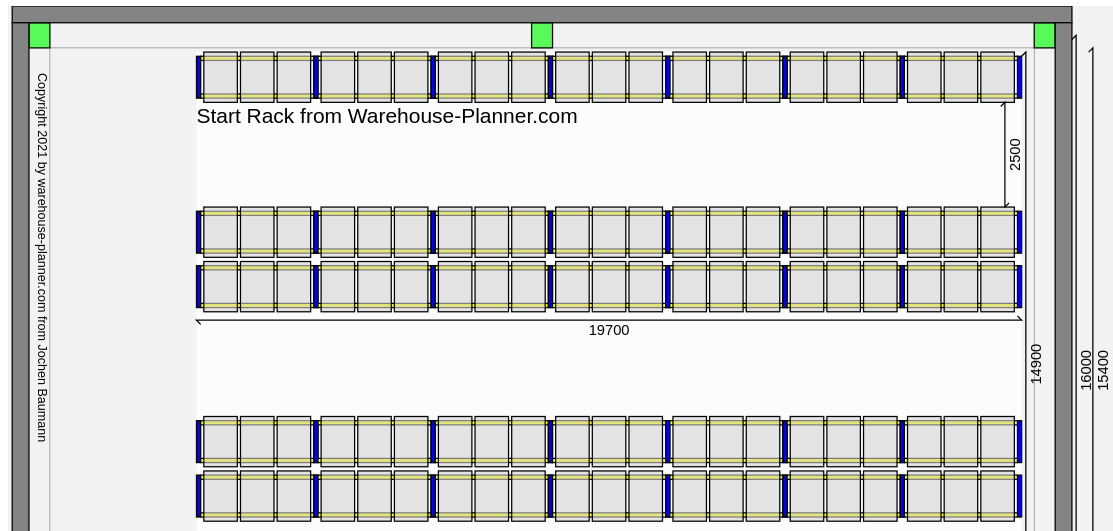 1113×531 enter data immediately receive complete warehouse layout from warehouse-planner.com
  800×534 concept planning warehouse stock photo image corridor from www.dreamstime.com
  960×720 warehouse planning powerpoint gallery cpb from www.slideteam.net
 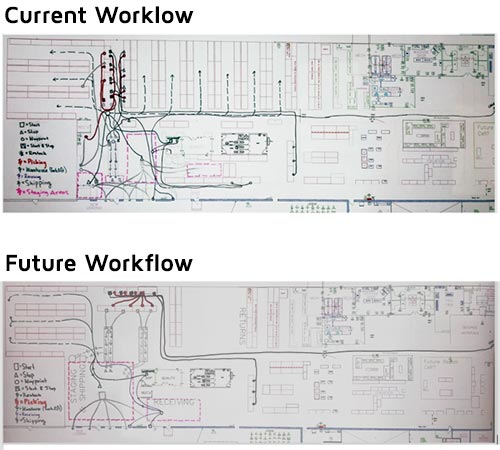 500×450 warehouse logistics planning daniel penn associates from www.danielpenn.com


Warehouse Planning Agenda :
Warehouse Planning Agenda was posted in September 12, 2025 at 1:46 pm. If you wanna have it as yours, please click the Pictures and you will go to click right mouse then Save Image As and Click Save and download the Warehouse Planning Agenda Picture.. Don’t forget to share this picture with others via Facebook, Twitter, Pinterest or other social medias! we do hope you'll get inspired by SampleTemplates123... Thanks again! If you have any DMCA issues on this post, please contact us!