Brainstorming Meeting Agenda
Brainstorming Meeting Agenda: A Comprehensive Guide
A well-structured brainstorming meeting agenda is crucial for maximizing creativity and generating innovative solutions. Without a clear plan, brainstorming sessions can quickly devolve into unfocused discussions and yield minimal results. This guide provides a detailed framework for creating an effective brainstorming meeting agenda that will help you achieve your desired outcomes.
I. Setting the Stage: Pre-Meeting Preparation
Before the actual brainstorming session, laying the groundwork is essential. This involves defining the meeting’s purpose, selecting participants, and providing them with necessary information beforehand.
1. Defining the Objective: The Core Question
Clearly articulate the problem or opportunity that the brainstorming session aims to address. This objective should be specific, measurable, achievable, relevant, and time-bound (SMART). Frame it as a question to encourage open-ended thinking. For example, instead of “Improve customer satisfaction,” try “How can we improve customer satisfaction by 20% in the next quarter?” Distribute this core question to participants well in advance.
2. Participant Selection: Diversity and Expertise
Choose participants with diverse backgrounds, perspectives, and expertise. A mix of individuals from different departments, skill sets, and experience levels can foster a wider range of ideas. Consider inviting both internal and external stakeholders to broaden the perspective. Limit the group size to a manageable number (ideally 5-10 people) to ensure everyone has the opportunity to contribute.
3. Pre-Reading and Information Sharing: Leveling the Playing Field
Provide participants with relevant background information, data, and research materials related to the problem or opportunity. This ensures everyone starts from a common understanding and allows them to come prepared with initial thoughts and ideas. Consider sharing competitor analyses, market trends, customer feedback, or relevant internal reports.
4. Assign Roles: Facilitator and Scribe
Designate a facilitator to guide the session, manage the flow of ideas, and ensure everyone participates effectively. The facilitator should be skilled in guiding discussions, encouraging participation, and managing conflict. A scribe is responsible for documenting all ideas generated during the session. This role ensures that no idea is lost and provides a written record for future reference. Consider rotating these roles in future meetings to develop team members’ skills.
II. The Meeting Agenda: A Step-by-Step Guide
A well-defined agenda ensures that the brainstorming session stays on track and maximizes productivity. The following structure provides a solid framework for your brainstorming meeting:
1. Introduction and Welcome (5-10 minutes)
- Welcome participants and thank them for their time.
- Briefly reiterate the objective of the brainstorming session and its importance.
- Review the agenda and the ground rules for the session (e.g., no criticism, encourage wild ideas, build on each other’s ideas).
- Icebreaker activity (optional): A quick icebreaker can help to relax participants and encourage creativity.
2. Review the Problem/Opportunity (10-15 minutes)
- Provide a brief overview of the problem or opportunity, reiterating the key information shared beforehand.
- Address any questions or clarifications from participants to ensure everyone is on the same page.
- Consider presenting a visual aid, such as a graph or chart, to illustrate the problem or opportunity.
3. Idea Generation (30-45 minutes)
- Start the idea generation process using a specific brainstorming technique (see section III for examples).
- Encourage participants to generate as many ideas as possible, without judgment or criticism.
- The facilitator should actively encourage participation and ensure that everyone has the opportunity to contribute.
- The scribe should meticulously document all ideas, either on a whiteboard, flip chart, or digital document.
4. Idea Clarification and Categorization (15-20 minutes)
- Review the list of ideas generated and ask participants to clarify any ambiguous or unclear ideas.
- Group similar ideas together into categories or themes to identify common patterns and potential solutions.
- The facilitator can guide this process by asking questions such as “Which ideas address the same core issue?” or “Are there any ideas that build upon each other?”
5. Idea Evaluation and Prioritization (15-20 minutes)
- Evaluate the ideas based on pre-determined criteria, such as feasibility, impact, cost, and alignment with strategic goals.
- Prioritize the ideas based on their potential to address the problem or opportunity. Techniques like dot voting or ranking can be used for prioritization.
- Focus on identifying the most promising ideas that warrant further investigation.
6. Action Planning and Next Steps (5-10 minutes)
- Assign ownership and deadlines for each prioritized idea to ensure that they are followed up on.
- Determine the next steps required to further develop and implement the selected ideas.
- Schedule a follow-up meeting to review progress and address any challenges.
7. Wrap-up and Thank You (5 minutes)
- Thank participants for their contributions and time.
- Summarize the key outcomes of the brainstorming session and the next steps.
- Distribute a copy of the meeting notes and action items to all participants.
III. Brainstorming Techniques
Several brainstorming techniques can be used during the idea generation phase. Here are a few popular options:
- Brainwriting: Participants write down their ideas on a piece of paper and then pass it to the next person, who adds their own ideas based on what’s already written.
- Round Robin: Each participant takes turns sharing one idea at a time, going around the circle until all ideas have been shared.
- Starbursting: Focus on asking questions related to the problem using the “5 Ws and 1 H” (Who, What, Where, When, Why, and How).
- Reverse Brainstorming: Instead of focusing on solutions, focus on identifying potential problems or obstacles. Then, brainstorm ways to prevent or overcome these obstacles.
- Mind Mapping: Visually organize ideas around a central theme, branching out to related sub-topics and concepts.
IV. Post-Meeting Follow-up
The brainstorming session is not the end of the process. Following up on the ideas generated is crucial for turning them into actionable solutions.
- Distribute the meeting notes and action items to all participants.
- Track the progress of each action item and address any roadblocks.
- Share updates on the implementation of the selected ideas.
- Celebrate successes and recognize the contributions of the participants.
By following this comprehensive guide, you can create a brainstorming meeting agenda that is structured, focused, and effective in generating innovative solutions to your challenges.
 2048×1052 brainstorming meeting agenda template fellowapp from fellow.app
  684×830 brainstorming session template from fellow.app
  1141×1475 brainstorming meeting agenda template invitation template ideas from howtostepmom.com
  1900×1300 brainstorming session agenda template invitation template ideas from howtostepmom.com
  710×780 brainstorming agenda template tutoreorg master documents from tutore.org
  4191×2461 run brainstorming meeting lucidchart blog from www.lucidchart.com
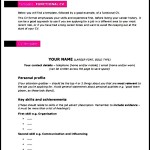


Brainstorming Meeting Agenda :
Brainstorming Meeting Agenda was posted in May 13, 2025 at 2:45 am. If you wanna have it as yours, please click the Pictures and you will go to click right mouse then Save Image As and Click Save and download the Brainstorming Meeting Agenda Picture.. Don’t forget to share this picture with others via Facebook, Twitter, Pinterest or other social medias! we do hope you'll get inspired by SampleTemplates123... Thanks again! If you have any DMCA issues on this post, please contact us!