Emotional Check-in Agenda Sample
Emotional Check-In Agenda Sample: Fostering Connection and Well-being
In today’s fast-paced world, prioritizing emotional well-being in the workplace and personal lives is more critical than ever. An emotional check-in is a brief, structured activity designed to help individuals and teams connect with their feelings, fostering empathy, understanding, and a supportive environment. This document presents a sample agenda for a successful emotional check-in, adaptable for various settings and group sizes.
Sample Agenda: Emotional Check-In (15-20 minutes)
-
Introduction & Welcome (2 minutes)
The facilitator (or designated leader) begins by welcoming participants and briefly explaining the purpose of the emotional check-in. The focus should be on creating a safe and non-judgmental space. Briefly explain why emotional check-ins are important for building trust, improving communication, and promoting individual well-being.
Example Script: “Good morning/afternoon everyone. Welcome to our emotional check-in. The goal of this check-in is to provide a brief opportunity for us to connect with our emotions and share them with each other. This helps us to understand each other better, build a stronger team, and create a more supportive environment. Remember, there are no right or wrong answers, and you only share what you feel comfortable sharing.”
-
Setting the Ground Rules (2 minutes)
Establish clear guidelines to ensure a respectful and productive discussion. These rules should emphasize confidentiality, active listening, and non-judgment. Key rules include:
- Confidentiality: What is shared within the group stays within the group.
- Active Listening: Listen attentively to others without interrupting or formulating responses.
- Non-Judgment: Refrain from judging or criticizing others’ feelings or experiences.
- Respectful Communication: Use respectful language and avoid making assumptions.
- Option to Pass: Participants have the right to pass if they don’t feel comfortable sharing.
Example Script: “Before we begin, let’s quickly review a few ground rules. First, everything shared here is confidential. Second, let’s practice active listening, giving our full attention to the speaker. Third, let’s create a non-judgmental space where everyone feels safe to share. Finally, remember that you always have the option to pass if you don’t feel comfortable answering a question.”
-
Check-In Prompt (5-7 minutes)
The facilitator presents a specific prompt designed to encourage reflection on current emotional state. The prompt should be open-ended and easy to understand. Here are some example prompts:
- “On a scale of 1 to 10, how are you feeling today, and why?”
- “What’s one word or phrase that describes your current emotional state?”
- “What’s something you’re grateful for today?”
- “What’s one thing that’s been on your mind lately?”
- “Share a metaphor that represents how you’re feeling.”
- “What’s one thing bringing you joy today?”
- “Describe your current energy level using an animal.” (e.g., “I feel like a sloth today because I’m tired.”)
The facilitator then invites each participant to respond to the prompt, one at a time. Encourage brevity and conciseness. Enforce the “pass” option without pressure.
Example Script: “For today’s check-in, the prompt is: ‘What’s one word that describes your current emotional state, and briefly why?’ Let’s start with [Name of first participant].”
-
Sharing and Active Listening (5-7 minutes)
As each participant shares, encourage others to practice active listening. This involves paying attention, nodding in acknowledgment, and avoiding interruptions. The facilitator may offer brief acknowledgements, such as “Thank you for sharing,” or “I appreciate your honesty.” Avoid offering advice or trying to fix anyone’s problems.
Facilitator Actions:
- Maintain a calm and supportive demeanor.
- Ensure everyone has an opportunity to speak (or pass).
- Manage time effectively to stay within the allotted timeframe.
-
Wrap-Up & Closing (1 minute)
The facilitator concludes the emotional check-in by thanking everyone for their participation and reiterating the importance of emotional well-being. Briefly summarize key themes or observations (if appropriate, and with the group’s consent). Remind participants of the confidentiality agreement.
Example Script: “Thank you everyone for participating in our emotional check-in today. I appreciate your willingness to share your feelings. Remember that taking care of our emotional well-being is essential for our overall health and productivity. Please remember that what was shared here remains confidential. Have a great rest of the day/week.”
Tips for Successful Emotional Check-Ins
- Choose the right time and place: Schedule check-ins at a time when participants are less likely to be stressed or rushed. Choose a quiet, comfortable location.
- Vary the prompts: Keep the check-ins fresh and engaging by using different prompts each time.
- Model vulnerability: The facilitator should be willing to share their own feelings (appropriately) to create a safe and trusting environment.
- Be mindful of cultural differences: Be aware that different cultures may have different norms regarding emotional expression.
- Follow through: If someone expresses a need for support, follow up with them individually after the check-in.
- Keep it concise: Adhering to the time limits helps to maintain focus and prevent the check-in from becoming overwhelming.
- Regularity is key: Consistent emotional check-ins cultivate a culture of openness and support over time.
Adaptations for Different Settings
- Remote Teams: Utilize video conferencing platforms to facilitate emotional check-ins for remote teams. Encourage participants to use virtual backgrounds that reflect their mood.
- Large Groups: In larger groups, consider breaking into smaller breakout rooms for more intimate discussions.
- One-on-One Check-ins: Supervisors can use a similar agenda for individual check-ins with their team members.
- Educational Settings: Teachers can incorporate emotional check-ins into the classroom to help students develop emotional intelligence and build a supportive learning environment.
By implementing regular emotional check-ins using this sample agenda, organizations and individuals can foster a culture of empathy, improve communication, and promote overall well-being.
 270×350 emotional check check speechless designs tpt from www.teacherspayteachers.com
 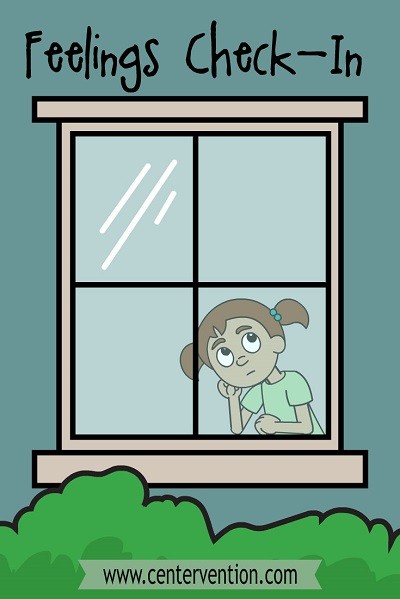 400×599 emotional check worksheet centervention from www.centervention.com
  1140×1140 emotional check chart custom etsy from www.etsy.com


Emotional Check-in Agenda Sample :
Emotional Check-in Agenda Sample was posted in September 26, 2025 at 6:44 pm. If you wanna have it as yours, please click the Pictures and you will go to click right mouse then Save Image As and Click Save and download the Emotional Check-in Agenda Sample Picture.. Don’t forget to share this picture with others via Facebook, Twitter, Pinterest or other social medias! we do hope you'll get inspired by SampleTemplates123... Thanks again! If you have any DMCA issues on this post, please contact us!