Conversion Optimization Agenda
Conversion Optimization Agenda: Transforming Visitors into Valued Customers
Conversion optimization (CRO) is a structured and systematic approach to improving the percentage of website visitors who take a desired action. This action, often referred to as a conversion, can be anything from making a purchase and filling out a form to signing up for a newsletter or downloading a resource. A well-defined CRO agenda is crucial for maximizing ROI, enhancing user experience, and achieving sustainable business growth. This document outlines a comprehensive conversion optimization agenda that can be adapted for various businesses and website types.
Phase 1: Research & Analysis – Understanding the Landscape
The foundation of any successful CRO strategy lies in thorough research and analysis. Without a deep understanding of your website, your audience, and their behavior, any optimization efforts are likely to be based on guesswork and assumptions, leading to suboptimal results.
1. Quantitative Analysis: Unveiling the “What”
Quantitative analysis involves gathering and interpreting numerical data to identify patterns and trends in user behavior. Key tools and techniques include:
- Web Analytics (Google Analytics, Adobe Analytics): Track key metrics like bounce rate, time on page, conversion rates, exit pages, user flow, and device/browser usage. Analyze these metrics to pinpoint areas where users are dropping off or encountering friction.
- Heatmaps (Hotjar, Crazy Egg): Visualize user behavior on individual pages, showing where users are clicking, scrolling, and moving their mouse. This helps identify areas of interest and potential usability issues.
- Session Recordings (Hotjar, FullStory): Record individual user sessions to observe how visitors interact with your website in real-time. This provides valuable insights into user behavior and potential pain points.
- A/B Testing Results Analysis: Review the results of past A/B tests to identify successful strategies and areas for further improvement. This also helps avoid repeating previous mistakes.
- Sales Data & CRM Integration: Connect your web analytics data with your sales data to understand the customer journey from initial website visit to final purchase. This reveals which marketing channels and website touchpoints are most effective at driving conversions.
2. Qualitative Analysis: Understanding the “Why”
Qualitative analysis focuses on gathering insights into user motivations, needs, and frustrations. This helps understand why users are behaving in a certain way and provides context for the quantitative data.
- User Surveys: Conduct on-site surveys to gather feedback from users about their experience on your website. Ask questions about their goals, pain points, and overall satisfaction.
- Customer Interviews: Conduct in-depth interviews with existing customers to understand their buying process, motivations, and preferences.
- Usability Testing: Observe users as they attempt to complete specific tasks on your website. This helps identify usability issues and areas where users are struggling.
- Heuristic Analysis: Evaluate your website based on established usability principles and best practices. This helps identify potential areas for improvement from an expert perspective.
- Customer Support Logs: Analyze customer support logs to identify common questions, complaints, and issues that users are experiencing.
3. Competitor Analysis: Learning from Others
Analyzing your competitors’ websites can provide valuable insights into industry best practices and potential opportunities for improvement. Focus on:
- Identifying successful strategies: Analyze your competitors’ websites to identify elements that are likely contributing to their high conversion rates.
- Identifying areas of differentiation: Look for opportunities to differentiate your website from your competitors and offer a unique value proposition.
- Learning from their mistakes: Identify areas where your competitors are falling short and avoid making the same mistakes on your own website.
Phase 2: Hypothesis & Prioritization – Formulating Actionable Plans
Based on the research and analysis conducted in Phase 1, develop hypotheses about how to improve conversion rates. Prioritize these hypotheses based on their potential impact and ease of implementation.
1. Hypothesis Generation: Proposing Solutions
Based on your research, formulate specific hypotheses about how changes to your website could improve conversion rates. A strong hypothesis typically follows this format: “By changing [element] on [page] to [variation], we expect to see an increase in [metric] because [reason].” For example: “By changing the headline on the landing page to a more benefit-driven statement, we expect to see an increase in sign-up rate because it will more clearly communicate the value proposition.”
2. Prioritization: Focusing on High-Impact Opportunities
Not all hypotheses are created equal. Prioritize them based on factors like:
- Potential Impact: How significantly could this change affect conversion rates?
- Ease of Implementation: How difficult and time-consuming will it be to implement this change?
- Confidence Level: How confident are you that this change will have a positive impact, based on your research?
Use a prioritization framework like the ICE (Impact, Confidence, Ease) scoring model to rank your hypotheses and focus on the most promising opportunities.
Phase 3: Testing & Implementation – Validating and Executing
This phase involves designing and running A/B tests to validate your hypotheses. Implement the winning variations on your website.
1. A/B Testing: Validating Hypotheses
A/B testing involves creating two or more variations of a webpage element and showing them to different segments of your website traffic. By tracking the performance of each variation, you can determine which one is most effective at driving conversions. Key considerations include:
- Test one element at a time: This ensures you can accurately attribute changes in conversion rates to the specific element being tested.
- Use a statistically significant sample size: This ensures your results are reliable and not due to random chance.
- Run tests for a sufficient duration: This allows you to capture a representative sample of user behavior and account for variations in traffic patterns.
- Track the right metrics: Focus on the metrics that are most relevant to your goals, such as conversion rate, bounce rate, and time on page.
2. Implementation: Deploying Winning Variations
Once you’ve identified a winning variation through A/B testing, implement it on your website. Ensure that the implementation is seamless and doesn’t introduce any new usability issues.
3. Personalization: Tailoring Experiences
After establishing a baseline, consider personalization. Tailor the user experience based on factors like demographics, behavior, and location. This can significantly improve engagement and conversion rates.
Phase 4: Analysis & Iteration – Continuous Improvement
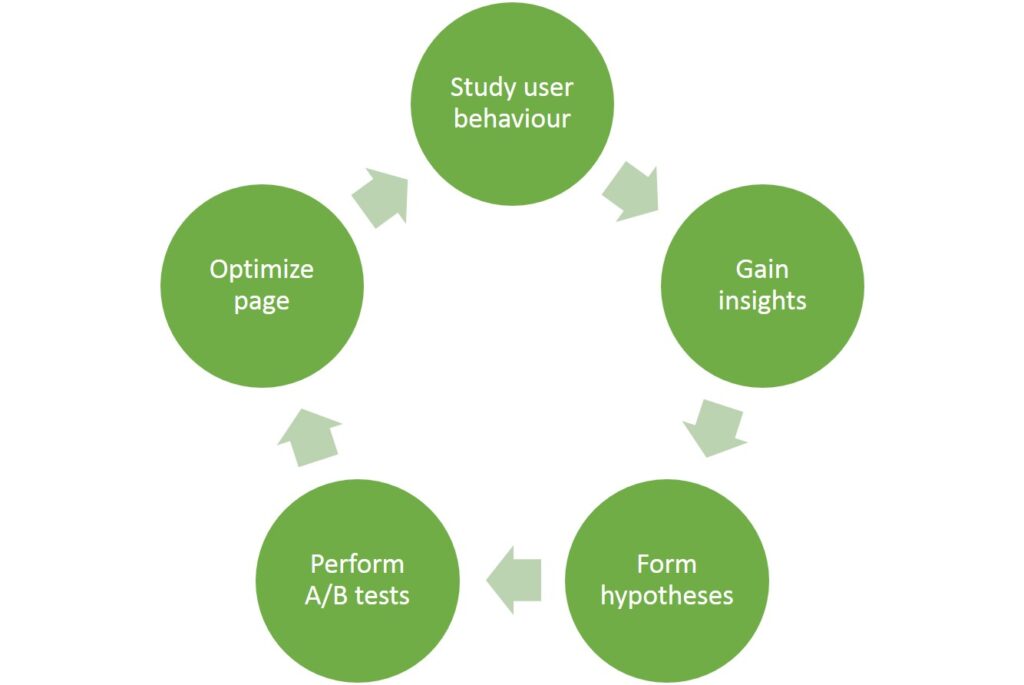
CRO is not a one-time project but an ongoing process of continuous improvement. Regularly analyze your results, identify new opportunities, and iterate on your strategies.
- Monitor Performance: Continuously track the performance of your website and identify areas where conversion rates are declining.
- Analyze Results: Analyze the results of your A/B tests to identify successful strategies and areas for further improvement.
- Iterate on Your Strategies: Based on your analysis, develop new hypotheses and continue testing and optimizing your website.
- Stay Updated: The digital landscape is constantly evolving, so stay updated on the latest CRO trends and best practices.
By following this comprehensive conversion optimization agenda, you can transform your website into a powerful tool for driving business growth and achieving your marketing goals. Remember that CRO is a continuous process, requiring ongoing analysis, testing, and iteration.
 1600×1409 conversion optimization from www.ryanturner.com
 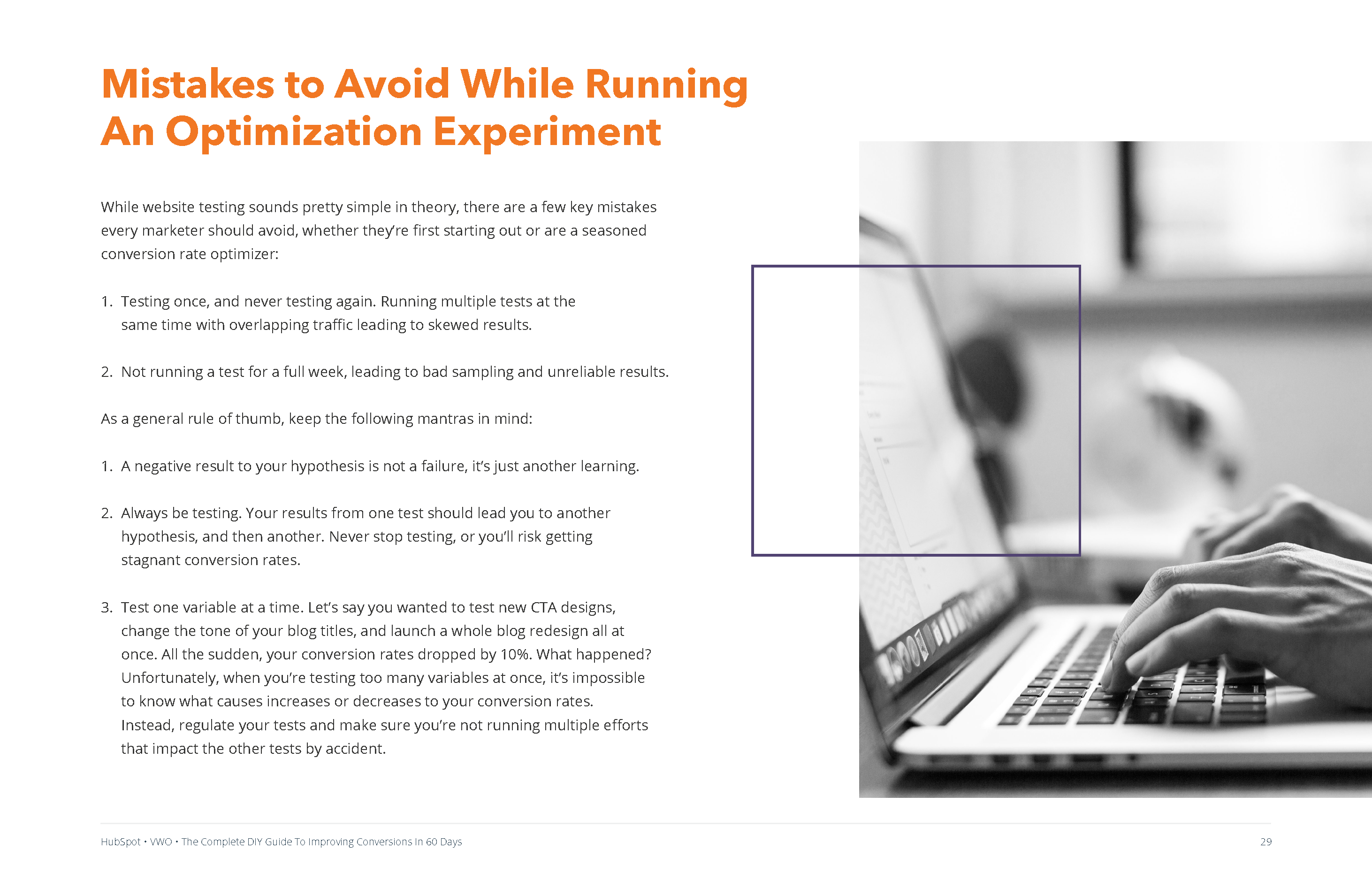 2924×1892 conversion rate optimization planner guide from offers.hubspot.com
  1600×1430 conversion optimization guide conversion optimization simple from zasady.com
  515×644 building conversion optimization strategy works from www.conversioner.com
  2260×1216 conversion optimization rulebook from unbounce.com
  1024×685 ultimate conversion rate optimization guide from labinator.com


Conversion Optimization Agenda :
Conversion Optimization Agenda was posted in May 13, 2025 at 5:33 pm. If you wanna have it as yours, please click the Pictures and you will go to click right mouse then Save Image As and Click Save and download the Conversion Optimization Agenda Picture.. Don’t forget to share this picture with others via Facebook, Twitter, Pinterest or other social medias! we do hope you'll get inspired by SampleTemplates123... Thanks again! If you have any DMCA issues on this post, please contact us!