Brand Messaging Agenda Sample
Crafting a Compelling Narrative: A Brand Messaging Agenda Sample
A well-defined brand messaging agenda is crucial for consistent and impactful communication. It serves as a roadmap, ensuring everyone within an organization, from marketing to sales, speaks with a unified voice. This document outlines a sample agenda for developing or refining your brand messaging. This is a collaborative process, requiring input from various stakeholders to ensure authenticity and relevance.
Phase 1: Discovery & Understanding (Days 1-3)
Day 1: Kick-off & Internal Audit
Objective: Establish project goals, team roles, and gather existing brand materials.
- Welcome & Introductions (30 mins): Introduce the project team, outline the meeting agenda, and establish clear communication protocols. Identify key stakeholders and their roles in the process.
- Project Objectives & Scope (60 mins): Define the specific goals of the brand messaging project. What problems are we trying to solve? Are we refreshing existing messaging or building it from scratch? Establish the scope of the project, including target audiences, key channels, and desired outcomes.
- Internal Brand Audit (90 mins): Review existing brand guidelines, marketing materials, website content, social media presence, and internal communications. Identify strengths, weaknesses, inconsistencies, and opportunities for improvement. This includes analyzing current brand voice, tone, and visual elements.
- Homework Assignment: Team members to individually brainstorm key words and phrases they associate with the brand. Consider the brand’s values, personality, and unique selling propositions.
Day 2: Competitive Analysis & Market Research
Objective: Understand the competitive landscape and identify market trends.
- Competitive Analysis Presentation (60 mins): Present a detailed analysis of key competitors, focusing on their brand messaging, target audiences, and marketing strategies. Identify their strengths, weaknesses, and how our brand differentiates itself.
- Market Research Review (60 mins): Review relevant market research data, including customer surveys, industry reports, and competitor analysis. Identify key trends, customer needs, and market opportunities.
- Target Audience Deep Dive (90 mins): Develop detailed buyer personas, outlining their demographics, psychographics, motivations, pain points, and buying behaviors. Understanding the target audience is paramount to crafting resonant messaging.
- Discussion & Insights (30 mins): Discuss the findings from the competitive analysis and market research. Identify key opportunities and challenges for the brand messaging project.
Day 3: Stakeholder Interviews
Objective: Gather diverse perspectives from internal stakeholders.
- Interview Scheduling (Prior to Day 3): Schedule individual interviews with key stakeholders from different departments, including marketing, sales, customer service, and leadership.
- Structured Interviews (45 mins per interview): Conduct structured interviews using a pre-defined set of questions. Examples include:
- What are the brand’s core values?
- What makes the brand unique?
- What are the key benefits of the brand’s products or services?
- What are the biggest challenges facing the brand?
- How do you describe the brand to someone who has never heard of it?
- Interview Documentation: Thoroughly document each interview, capturing key insights, opinions, and concerns.
- Synthesis & Initial Themes: After all interviews are complete, synthesize the findings and identify recurring themes and key takeaways.
Phase 2: Message Development (Days 4-5)
Day 4: Brand Value Proposition & Personality
Objective: Define the core value proposition and brand personality.
- Review of Phase 1 Findings (30 mins): Recap the key findings from the discovery and understanding phase, including the internal audit, competitive analysis, market research, and stakeholder interviews.
- Value Proposition Workshop (90 mins): Develop a concise and compelling value proposition that clearly articulates the benefits of the brand’s products or services. Focus on what makes the brand unique and why customers should choose it over the competition. Utilize frameworks like the “Value Proposition Canvas” to structure the discussion.
- Brand Personality Definition (90 mins): Define the brand’s personality using human characteristics. Is it friendly, professional, innovative, or trustworthy? Use a brand personality framework to guide the discussion and ensure consistency. Consider tone of voice, visual elements, and overall communication style.
- Draft Value Proposition & Personality Statement: Based on the workshop results, draft a preliminary value proposition and brand personality statement for review.
Day 5: Core Messaging & Tagline Development
Objective: Craft core messaging pillars and a memorable tagline.
- Review of Value Proposition & Personality (30 mins): Review and refine the draft value proposition and brand personality statement.
- Core Messaging Pillars (90 mins): Develop 3-5 key messaging pillars that support the value proposition and brand personality. These pillars should articulate the brand’s key benefits, differentiators, and values. Each pillar should be accompanied by supporting statements and evidence.
- Tagline Brainstorming (60 mins): Brainstorm potential taglines that are memorable, relevant, and reflective of the brand’s value proposition and personality. Consider different styles, such as descriptive, imperative, provocative, and superlative.
- Tagline Refinement & Selection (60 mins): Narrow down the list of potential taglines and refine them based on feedback. Select the tagline that best captures the essence of the brand.
Phase 3: Implementation & Refinement (Days 6-7)
Day 6: Messaging Framework & Application
Objective: Develop a comprehensive messaging framework and apply it to various communication channels.
- Messaging Framework Creation (90 mins): Create a detailed messaging framework that outlines the brand’s value proposition, personality, core messaging pillars, and tagline. This framework should serve as a guide for all communication efforts.
- Channel-Specific Messaging (90 mins): Adapt the core messaging framework to specific communication channels, such as website, social media, email marketing, and sales materials. Consider the unique characteristics of each channel and tailor the messaging accordingly.
- Examples & Guidelines: Provide examples of how the messaging framework should be applied in different contexts. Develop clear guidelines for tone of voice, visual elements, and overall communication style.
Day 7: Review, Feedback & Next Steps
Objective: Gather final feedback, refine the messaging, and outline next steps.
- Presentation of Messaging Framework (60 mins): Present the completed messaging framework to key stakeholders for review and feedback.
- Feedback Session (60 mins): Gather feedback from stakeholders and address any concerns or questions.
- Messaging Refinement (60 mins): Refine the messaging framework based on the feedback received.
- Implementation Plan & Next Steps (60 mins): Develop a detailed implementation plan, outlining the steps required to roll out the new brand messaging across all communication channels. Assign responsibilities and set timelines. Schedule follow-up meetings to monitor progress and make adjustments as needed. Define key performance indicators (KPIs) to measure the effectiveness of the new messaging.
This agenda serves as a flexible template. The specific activities and timelines may need to be adjusted based on the needs of your organization. Remember that effective brand messaging is an ongoing process that requires continuous monitoring, evaluation, and refinement.
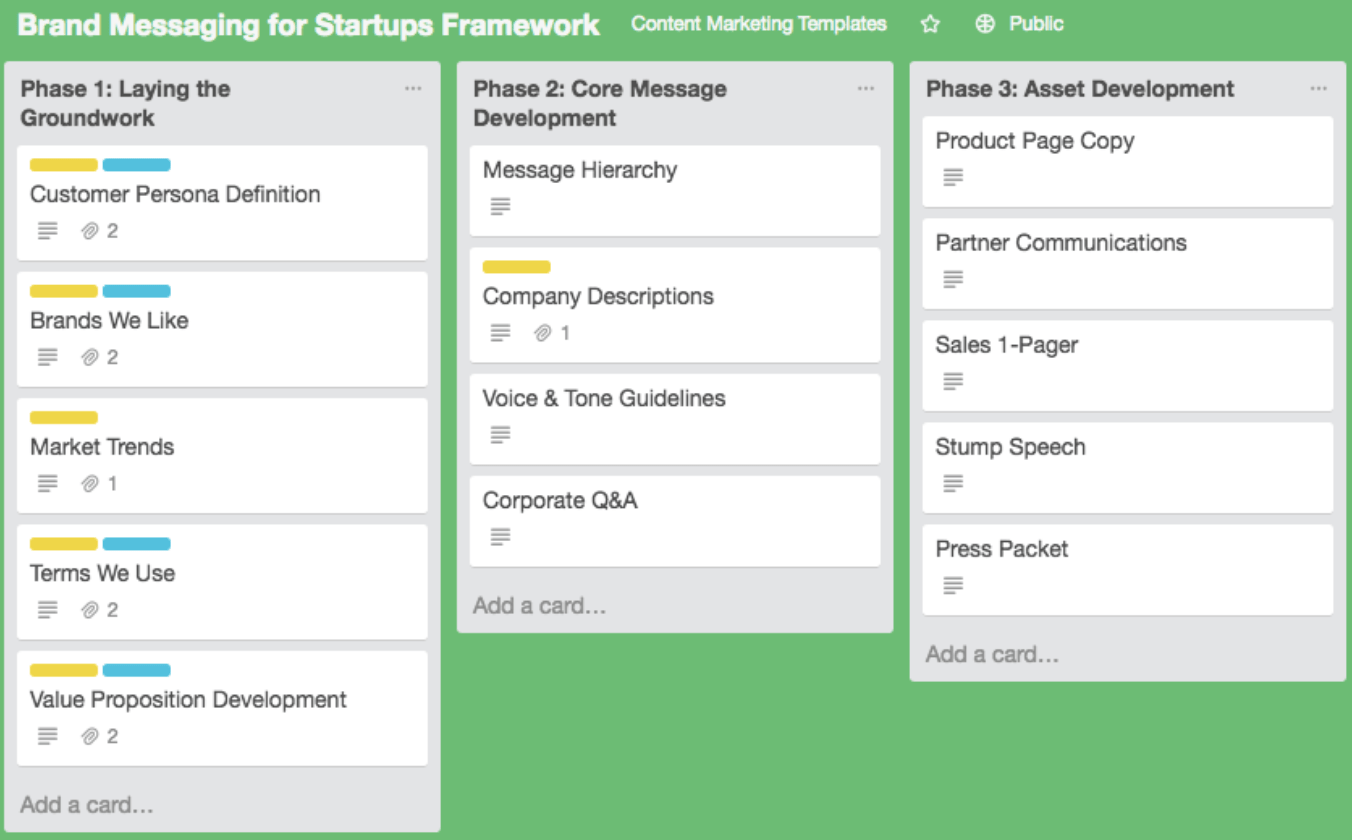
 1361×581 brand messaging framework template step guide sales from coschedule.com
  1352×840 build brand messaging prepare marketing success from blog.digitalj2.com



Brand Messaging Agenda Sample :
Brand Messaging Agenda Sample was posted in December 30, 2025 at 9:46 pm. If you wanna have it as yours, please click the Pictures and you will go to click right mouse then Save Image As and Click Save and download the Brand Messaging Agenda Sample Picture.. Don’t forget to share this picture with others via Facebook, Twitter, Pinterest or other social medias! we do hope you'll get inspired by SampleTemplates123... Thanks again! If you have any DMCA issues on this post, please contact us!