Professional Sample Letter Of Intent
Professional Sample Letter of Intent Guide
A Letter of Intent (LOI) is a formal document outlining the preliminary agreement between two or more parties before a final agreement is solidified. It serves as a roadmap, highlighting the key terms, scope, and objectives of the intended deal. While not always legally binding in its entirety, an LOI demonstrates serious intent and can set the stage for successful negotiations. Crafting a professional and well-structured LOI is crucial for setting the right tone and maximizing the chances of a positive outcome. This guide provides a comprehensive overview of crafting effective LOIs, along with specific examples and practical tips.
Key Components of a Professional Letter of Intent
A well-crafted LOI should encompass the following essential components:
1. Heading and Introductory Paragraph
The heading should clearly identify the document as a Letter of Intent and include the date. The introductory paragraph should explicitly state the purpose of the letter and identify the parties involved. For example:
[Your Company Letterhead]
[Date]
[Recipient Name]
[Recipient Title]
[Recipient Company]
[Recipient Address]
Subject: Letter of Intent Regarding [Briefly Describe the Intended Transaction]
Dear [Recipient Name],
This letter constitutes a non-binding Letter of Intent (this “LOI”) between [Your Company Name] (“[Your Company Abbreviation]”) and [Recipient Company Name] (“[Recipient Company Abbreviation]”) and outlines the preliminary understanding and intention of both parties to proceed with good faith negotiations towards a definitive agreement (the “Definitive Agreement”) concerning [Brief Description of the Transaction, e.g., the acquisition of [Recipient Company Abbreviation] by [Your Company Abbreviation]].
2. Due Diligence
If applicable, the LOI should outline the due diligence process, specifying the scope, timeline, and access rights. This section establishes the parameters for investigating the target company or asset. Here’s an example:
[Your Company Abbreviation] shall have the right to conduct customary due diligence regarding [Recipient Company Abbreviation]’s business, operations, financial condition, legal compliance, and other relevant matters. [Recipient Company Abbreviation] agrees to provide [Your Company Abbreviation] and its representatives with reasonable access to its books, records, personnel, and facilities for the purpose of conducting such due diligence. The due diligence period shall commence on [Start Date] and conclude on [End Date].
3. Exclusivity
An exclusivity clause prevents the seller from negotiating with other potential buyers during a specified period. This provides the potential buyer with the assurance that their time and resources invested in due diligence will not be undermined. Here’s a sample exclusivity clause:
In consideration of [Your Company Abbreviation]’s expenditure of time and resources in connection with this potential transaction, [Recipient Company Abbreviation] agrees to deal exclusively with [Your Company Abbreviation] with respect to the potential sale of [Recipient Company Abbreviation] for a period of [Number] days commencing on the date of this LOI (the “Exclusivity Period”). During the Exclusivity Period, [Recipient Company Abbreviation] shall not, directly or indirectly, solicit, initiate, encourage, or entertain any offers or proposals from any other party relating to the sale of [Recipient Company Abbreviation].
4. Key Terms of the Proposed Transaction
This is the core of the LOI. It should clearly articulate the major terms of the deal, including:
- Purchase Price: Specify the proposed purchase price or a clear formula for determining it. Include details about the form of payment (cash, stock, financing, etc.).
- Assets to be Acquired: Clearly define the assets included in the transaction (e.g., all assets, specific assets, etc.).
- Closing Date: Indicate the anticipated closing date or a timeframe for the closing to occur.
- Key Assumptions: List any key assumptions that underpin the proposed terms, such as continued revenue growth or specific financial performance targets.
- Contingencies: Specify any conditions that must be met before the deal can be finalized, such as financing approval or regulatory approvals.
Example:
The proposed purchase price for all of the outstanding stock of [Recipient Company Abbreviation] shall be [Dollar Amount], subject to adjustment based on [Describe Adjustment Mechanism, e.g., a working capital adjustment]. The purchase price shall be payable in cash at closing.
The closing of the Definitive Agreement (the “Closing”) shall occur on or before [Date], subject to the satisfaction of customary closing conditions, including but not limited to the completion of due diligence to [Your Company Abbreviation]’s satisfaction and the receipt of all necessary regulatory approvals.
5. Non-Binding and Binding Provisions
It is essential to clearly delineate which sections of the LOI are legally binding and which are not. Typically, sections related to confidentiality, exclusivity, governing law, and dispute resolution are intended to be binding. The remainder of the LOI, outlining the proposed terms of the transaction, is usually non-binding and subject to further negotiation. Example:
Except for paragraphs [List Paragraph Numbers related to Exclusivity, Confidentiality, Governing Law, and Dispute Resolution], which shall be legally binding and enforceable, this LOI is intended only as an expression of present intention and shall not be legally binding on either party. Neither party shall be legally bound unless and until a Definitive Agreement is executed and delivered.
6. Confidentiality
A confidentiality clause protects sensitive information shared during the due diligence process and negotiations. This is crucial for safeguarding trade secrets, customer lists, and other proprietary data. Example:
The parties agree to hold confidential all information exchanged in connection with this LOI and the potential transaction. The terms of this confidentiality obligation shall be governed by the existing Non-Disclosure Agreement (NDA) between the parties dated [Date of NDA], which is hereby incorporated by reference. If no NDA exists, include the terms of the confidential agreement within the LOI.
7. Governing Law and Dispute Resolution
Specify the jurisdiction whose laws will govern the LOI and the process for resolving any disputes that may arise. Example:
This LOI shall be governed by and construed in accordance with the laws of the State of [State Name], without regard to its conflict of laws principles. Any dispute arising out of or relating to this LOI shall be resolved through binding arbitration in [City, State] in accordance with the rules of the American Arbitration Association.
8. Termination
The LOI should specify the circumstances under which either party can terminate the agreement. This might include failure to reach a definitive agreement within a specified timeframe or a material breach of the LOI’s binding provisions. Example:
Either party may terminate this LOI upon written notice to the other party if a Definitive Agreement has not been executed and delivered on or before [Date]. Either party may also terminate this LOI upon written notice to the other party if the other party materially breaches any of the binding provisions of this LOI.
9. Signature Block
The LOI should be signed and dated by authorized representatives of each party. Example:
Sincerely,
[Your Name]
[Your Title]
[Your Company Name]
Agreed and Accepted:
[Recipient Name]
[Recipient Title]
[Recipient Company Name]
Tips for Writing an Effective Letter of Intent
- Be Clear and Concise: Use precise language and avoid ambiguity. Clearly state the intended terms and conditions.
- Be Realistic: Don’t overpromise or make unrealistic assumptions.
- Consult with Legal Counsel: Have an attorney review the LOI before it is signed to ensure that it accurately reflects your intentions and protects your interests.
- Maintain a Professional Tone: The LOI should be written in a professional and respectful manner.
- Remember the Purpose: The LOI is intended to facilitate negotiations, not to replace a final agreement.
Conclusion
A well-drafted Letter of Intent is a critical tool for initiating and guiding complex business transactions. By carefully considering the key components and following the tips outlined in this guide, you can create an LOI that effectively communicates your intentions, protects your interests, and sets the stage for a successful outcome. Remember to consult with legal counsel to ensure that your LOI is tailored to your specific needs and circumstances.
 728×943 sample letter intent format from www.formsbirds.com
  730×944 sample letter intent dokumentips from dokumen.tips
  790×1022 letter intent templates samples word from templatelab.com
  791×1024 business proposal letter intent template word from esign.com
  707×951 sample letter intent business printable documents from londonmedarb.com
  768×1086 letter intent samples writing guide resumekraft from resumekraft.com
  736×588 letter intent template writing guide examples from zety.com
  1932×2500 letter intent templates samples job school business from templatelab.com
  2550×3300 letter intent printable documents from londonmedarb.com
  816×1056 sample professional letter intent templates from www.allbusinesstemplates.com
  474×613 sample letters intent elegant letter intent job sample from www.pinterest.ph
  1932×2500 letter intent templates word excel templates from www.wordstemplates.org
 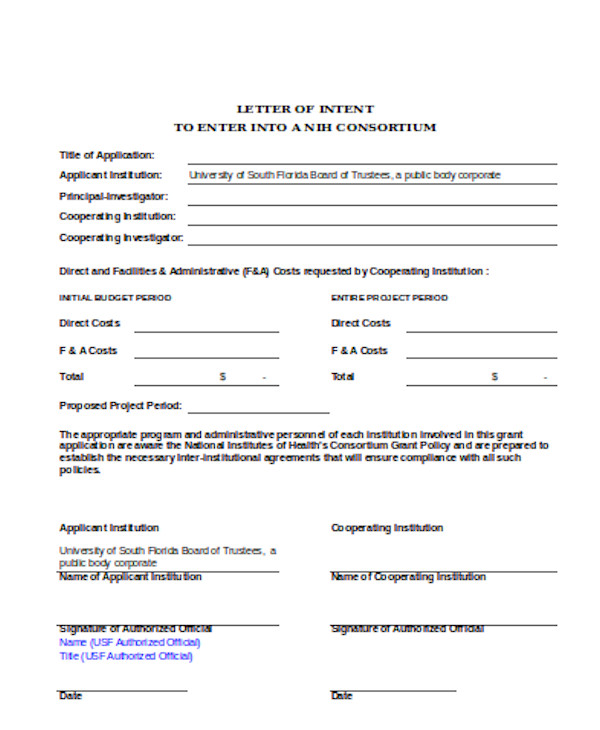 600×730 letter intent samples ms word excel from www.sampleforms.com
  419×550 letter intent sample latest resume sample from www.latestresumesample.com
  636×900 letter intent template documents word excel from www.dexform.com
  585×640 letter intent templates sample templates from www.sampletemplates.com
  939×1118 sample letters intent elegant letter int vrogueco from www.vrogue.co
  816×1056 sample letter intent business franchise armando friends template from jackeesuperstar.blogspot.com
  1275×1650 letter intent format printable documents from londonmedarb.com
  1275×1650 basic letter intent template samples letter template collection from simpleartifact.com



Professional Sample Letter Of Intent :
Professional Sample Letter Of Intent was posted in July 27, 2025 at 11:48 am. If you wanna have it as yours, please click the Pictures and you will go to click right mouse then Save Image As and Click Save and download the Professional Sample Letter Of Intent Picture.. Don’t forget to share this picture with others via Facebook, Twitter, Pinterest or other social medias! we do hope you'll get inspired by SampleTemplates123... Thanks again! If you have any DMCA issues on this post, please contact us!