Sample Letter Of Explanation For Poor Grades
Sample Letter of Explanation for Poor Grades
Submitting a letter of explanation for poor grades can be a daunting task, but it’s often a necessary step in mitigating the impact of disappointing academic performance. This letter provides an opportunity to take responsibility, offer context, and demonstrate a commitment to improvement. Remember, honesty and a proactive approach are key.
Sample Letter Structure and Content
Here’s a breakdown of a sample letter, along with explanations and alternative phrasing options:
1. Heading and Salutation
Start with your contact information and the date. Then, address the appropriate recipient. This could be a professor, academic advisor, admissions committee, or scholarship board, depending on the situation.
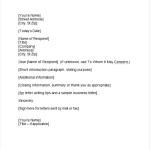
[Your Full Name] [Your Address] [Your Phone Number] [Your Email Address] [Date] [Recipient's Full Name] [Recipient's Title] [Department/Institution] [Address] Dear [Mr./Ms./Mx. Recipient's Last Name], Explanation: Using formal business letter formatting shows respect for the recipient and the process. Make sure you have the correct name and title of the person you’re addressing.
Alternative Salutations: If you know the recipient well, you might use “Dear Professor [Last Name]” or “Dear Dr. [Last Name].” If you’re unsure of the gender or preferred title, “Dear [Recipient’s Full Name]” is a safe option.
2. Opening Paragraph: Acknowledge the Issue
Immediately address the poor grades you are explaining. Be direct and avoid making excuses in the first sentence.
I am writing to explain my academic performance during the [Semester/Term] of [Year], specifically regarding my grades in [Course Name(s)]. Explanation: This gets straight to the point. You’re not trying to hide anything. It clearly identifies the period and courses you’re discussing.
Alternative Openings:
- “This letter serves as an explanation for the unsatisfactory grades I received in [Course Name(s)] during the [Semester/Term] of [Year].”
- “I am writing to provide context for my academic record in the [Semester/Term] of [Year], which reflects a decline in my performance in [Course Name(s)].”
- “I understand that my grades in [Course Name(s)] during the [Semester/Term] of [Year] are below my usual standard, and I am writing to address this.”
3. Body Paragraph(s): Explaining the Circumstances
This is the most important section of the letter. Explain the reasons behind your poor performance. Be honest, specific, and take responsibility. Avoid blaming others or making excuses. Focus on the factors that directly impacted your ability to succeed academically. This is where you will elaborate and provide context.
Here are some common reasons and example phrasing:
- Illness: “During [Specific Period], I experienced a bout of [Illness] that significantly impacted my ability to attend classes, complete assignments, and focus on my studies. I have since sought medical attention and am now recovering well.”
- Family Emergency: “I experienced a family emergency during [Specific Period] that required me to devote significant time and energy to supporting my family. This unforeseen circumstance made it difficult to manage my academic responsibilities effectively.”
- Personal Difficulties: “I was dealing with personal challenges during [Specific Period] that affected my mental and emotional well-being, making it difficult to concentrate on my studies. While I understand this is a personal matter, I felt it was important to provide context for my performance.” (Consider adding a brief, tasteful explanation if appropriate, e.g., “I was struggling with the loss of a close family member.”)
- Adjustment to College/University: “As a new student, I found the transition to the demands of university-level coursework more challenging than anticipated. I struggled with time management and study skills, which contributed to my poor performance.”
- Overcommitment: “I took on too many extracurricular activities and commitments during [Specific Period], which left me with insufficient time to dedicate to my studies. I have since re-evaluated my priorities and reduced my involvement in extracurriculars.”
- Difficulty with Specific Course Material: “I found the material in [Course Name] particularly challenging, and I struggled to grasp some of the core concepts. I did not seek help as proactively as I should have.”
Important Considerations for the Body Paragraph(s):
- Be Specific: Avoid vague statements like “I was stressed.” Instead, explain *why* you were stressed and how it impacted your studies.
- Take Responsibility: Don’t solely blame external factors. Acknowledge your role in the situation. For example, “While I was dealing with a family emergency, I also recognize that I could have been more proactive in communicating with my professors and seeking support.”
- Avoid Over-Sharing: Be mindful of what you share. You don’t need to disclose overly personal or sensitive information. Focus on the impact on your academic performance.
- Provide Documentation (if applicable): If possible, include supporting documentation, such as a doctor’s note or a letter from a counselor. This can lend credibility to your explanation. Note that FERPA laws may limit what information can be released to a professor without your consent.
Example Body Paragraph (combining elements):
During the month of October, I was dealing with a family emergency that required me to travel home frequently to assist with my [Specific Situation - e.g., care of my ailing grandmother]. This placed a significant strain on my time and energy, making it difficult to keep up with my coursework, particularly in [Course Name]. I acknowledge that I should have communicated with you sooner about these challenges and sought extensions on assignments. My failure to do so contributed to my lower grades. 4. Action Plan and Commitment to Improvement
Outline the steps you are taking or plan to take to improve your academic performance. This demonstrates that you are proactive and committed to succeeding in the future.
Here are some examples:
- Seeking Tutoring: “I have already enrolled in tutoring sessions for [Course Name] to improve my understanding of the material.”
- Improving Study Habits: “I am working on improving my time management and study skills by [Specific Actions – e.g., creating a detailed study schedule, using online resources, attending study groups].”
- Seeking Academic Advising: “I have scheduled a meeting with my academic advisor to discuss strategies for academic success and to develop a more manageable course load.”
- Managing Extracurriculars: “I have reduced my involvement in extracurricular activities to allow more time for my studies.”
- Seeking Counseling or Therapy: “I am seeking counseling to address the personal challenges that were impacting my academic performance.”
Example Action Plan Paragraph:
To ensure my academic performance improves going forward, I have already begun attending tutoring sessions for [Course Name]. I have also met with my academic advisor to develop a more structured study plan and am actively seeking assistance from the university's writing center to improve my essay writing skills. I am committed to dedicating the necessary time and effort to succeed in my studies. 5. Closing Paragraph: Reiterate Responsibility and Express Gratitude
Reiterate your understanding of the impact of your poor grades and express your gratitude for the recipient’s time and consideration. End on a positive note, reaffirming your commitment to academic success.
I understand the seriousness of my academic performance and am committed to making significant improvements. Thank you for considering my explanation and for your time. I am confident that I can demonstrate my potential for academic success in the future. Sincerely, [Your Signature] [Your Typed Name] Alternative Closings:
- “I take full responsibility for my academic performance and appreciate your understanding. I am dedicated to improving my grades in the future.”
- “Thank you for your time and consideration. I am committed to my academic success and eager to demonstrate my potential.”
- “I am grateful for the opportunity to explain my situation and am committed to making the necessary changes to improve my academic standing.”
Key Takeaways
- Be Honest: Honesty is paramount. Don’t try to fabricate a story or downplay your role in the situation.
- Be Specific: Provide concrete details and avoid vague generalizations.
- Take Responsibility: Acknowledge your role in the situation and avoid blaming others.
- Be Proactive: Demonstrate that you are taking steps to improve your academic performance.
- Be Professional: Use formal business letter formatting and maintain a respectful tone.
- Proofread Carefully: Ensure your letter is free of grammatical errors and typos.
- Seek Feedback: Ask a trusted friend, family member, or academic advisor to review your letter before you submit it.
Remember, this is just a sample letter. You need to tailor it to your specific circumstances and situation. Good luck!
 791×1024 sample explanation letter allegations sample letter from qubaxu.blogspot.com
  2500×1932 letters explanation templates mortgage derogatory credit from templatelab.com
  320×455 sample explanation letters ms word google docs outlook from www.sample.net
  720×480 sample letter explanation request multiple entry mocksure from mocksure.blogspot.com
  320×319 sample letter explanation templates ms word from www.sample.net
  298×386 fillable sample letter parents teacher failing grades from www.lettertoparents.com
  638×826 grading explanation letter from www.slideshare.net


Sample Letter Of Explanation For Poor Grades :
Sample Letter Of Explanation For Poor Grades was posted in December 25, 2025 at 10:05 pm. If you wanna have it as yours, please click the Pictures and you will go to click right mouse then Save Image As and Click Save and download the Sample Letter Of Explanation For Poor Grades Picture.. Don’t forget to share this picture with others via Facebook, Twitter, Pinterest or other social medias! we do hope you'll get inspired by SampleTemplates123... Thanks again! If you have any DMCA issues on this post, please contact us!