Family Financial Plan Template
Crafting Your Family’s Financial Future: A Template for Success
A family financial plan is more than just a budget; it’s a roadmap guiding you toward your shared financial goals. It’s a living document that adapts to life’s inevitable changes, providing a framework for making sound financial decisions and securing your family’s future. A well-structured plan offers peace of mind, reduces stress, and empowers you to achieve your dreams, whether it’s buying a home, funding your children’s education, or retiring comfortably.
The Importance of a Family Financial Plan
Without a plan, it’s easy to drift aimlessly, spending without intention and struggling to reach important milestones. A financial plan brings clarity and focus, fostering open communication about money within the family. It allows you to:
* **Identify and Prioritize Goals:** Define what you want to achieve, both short-term (e.g., paying off debt) and long-term (e.g., retirement). * **Track Income and Expenses:** Understand where your money is coming from and where it’s going. * **Manage Debt Effectively:** Develop strategies for reducing and eliminating high-interest debt. * **Build an Emergency Fund:** Create a safety net to cover unexpected expenses. * **Save and Invest Wisely:** Allocate funds for future goals, such as education, retirement, and other investments. * **Plan for Retirement:** Estimate your retirement needs and develop a plan to meet them. * **Protect Your Family:** Ensure adequate insurance coverage for life, health, and property. * **Manage Taxes Effectively:** Optimize your tax strategy to minimize your tax burden. * **Prepare for Estate Planning:** Ensure your assets are distributed according to your wishes.
A Step-by-Step Family Financial Plan Template
This template provides a framework for creating your own personalized family financial plan. Remember to adapt it to your specific circumstances and consult with a financial advisor if needed.
Step 1: Define Your Financial Goals
Start by having an open and honest discussion with your family about your financial goals. Be specific, measurable, achievable, relevant, and time-bound (SMART). Examples include:
* **Short-Term (1-3 years):** * Pay off credit card debt by [date]. * Build a [amount] emergency fund within [timeframe]. * Save [amount] for a down payment on a car by [date]. * **Medium-Term (3-10 years):** * Save [amount] for a down payment on a house by [date]. * Pay off student loans by [date]. * Start saving for children’s college education. * **Long-Term (10+ years):** * Retire comfortably by age [age]. * Accumulate [amount] in retirement savings. * Purchase a vacation home.
Prioritize these goals based on their importance and urgency. Determine how much money you need to achieve each goal and the timeframe for reaching it.
Step 2: Track Your Income and Expenses
Accurately track your income and expenses to understand your cash flow. Use a budgeting app, spreadsheet, or notebook to record all sources of income (salaries, investments, etc.) and all expenses (housing, transportation, food, entertainment, etc.). Categorize your expenses to identify areas where you can cut back.
* **Income:** List all sources of income, including salaries, wages, bonuses, investment income, and any other regular sources. * **Expenses:** * **Fixed Expenses:** These are expenses that remain relatively constant each month, such as rent/mortgage, loan payments, and insurance premiums. * **Variable Expenses:** These are expenses that fluctuate from month to month, such as groceries, utilities, entertainment, and transportation. * **Discretionary Expenses:** These are non-essential expenses that you can cut back on, such as dining out, entertainment, and hobbies.
Compare your income to your expenses to determine your monthly surplus or deficit. If you have a deficit, identify areas where you can reduce spending or increase income.
Step 3: Create a Budget
Develop a budget based on your income, expenses, and financial goals. Allocate your income to different categories, ensuring that you prioritize essential expenses and savings goals. There are several budgeting methods you can use, such as:
* **50/30/20 Rule:** Allocate 50% of your income to needs, 30% to wants, and 20% to savings and debt repayment. * **Zero-Based Budgeting:** Allocate every dollar of your income to a specific category, ensuring that your income minus your expenses equals zero. * **Envelope System:** Use cash for variable expenses and allocate a specific amount to each category in an envelope.
Choose a budgeting method that works best for your family and stick to it as closely as possible. Regularly review your budget and make adjustments as needed.
Step 4: Manage Debt
Develop a plan to manage and reduce your debt, especially high-interest debt such as credit card debt. Consider the following strategies:
* **Debt Snowball Method:** Pay off the smallest debt first, regardless of the interest rate. * **Debt Avalanche Method:** Pay off the debt with the highest interest rate first. * **Balance Transfer:** Transfer high-interest debt to a credit card with a lower interest rate. * **Debt Consolidation:** Consolidate multiple debts into a single loan with a lower interest rate.
Avoid accumulating new debt and prioritize paying off existing debt as quickly as possible.
Step 5: Build an Emergency Fund
An emergency fund is crucial for covering unexpected expenses such as medical bills, car repairs, or job loss. Aim to save 3-6 months’ worth of living expenses in a readily accessible savings account.
Treat your emergency fund as a safety net and avoid using it for non-emergency expenses. Replenish the fund as soon as possible after using it.
Step 6: Save and Invest
Allocate funds for savings and investments to achieve your long-term financial goals. Consider the following investment options:
* **Retirement Accounts:** Contribute to 401(k)s, IRAs, and other retirement accounts to take advantage of tax benefits. * **Stocks:** Invest in stocks for potential long-term growth. * **Bonds:** Invest in bonds for a more stable and predictable income stream. * **Mutual Funds:** Invest in mutual funds for diversification and professional management. * **Real Estate:** Consider investing in real estate for potential rental income and appreciation.
Diversify your investments to reduce risk and consult with a financial advisor to determine the best investment strategy for your family.
Step 7: Protect Your Family with Insurance
Ensure you have adequate insurance coverage to protect your family from financial hardship in the event of illness, injury, or death. Consider the following types of insurance:
* **Health Insurance:** Cover medical expenses and protect against unexpected healthcare costs. * **Life Insurance:** Provide financial support to your family in the event of your death. * **Disability Insurance:** Protect your income if you become disabled and unable to work. * **Homeowners/Renters Insurance:** Protect your home and personal belongings from damage or theft. * **Auto Insurance:** Cover damages and injuries in the event of a car accident.
Review your insurance coverage annually and make adjustments as needed.
Step 8: Review and Adjust Your Plan Regularly
Your financial plan is a living document that should be reviewed and adjusted regularly to reflect changes in your income, expenses, goals, and circumstances. Aim to review your plan at least once a year, or more frequently if major life events occur.
By following this template and adapting it to your specific needs, you can create a solid financial plan that will help your family achieve its goals and secure its financial future. Remember to stay committed to your plan, communicate openly about money, and seek professional advice when needed.
 700×944 financial plan template professional word templates from www.professionaltemplates.org
  2036×2500 professional financial plan templates personal business from templatelab.com
 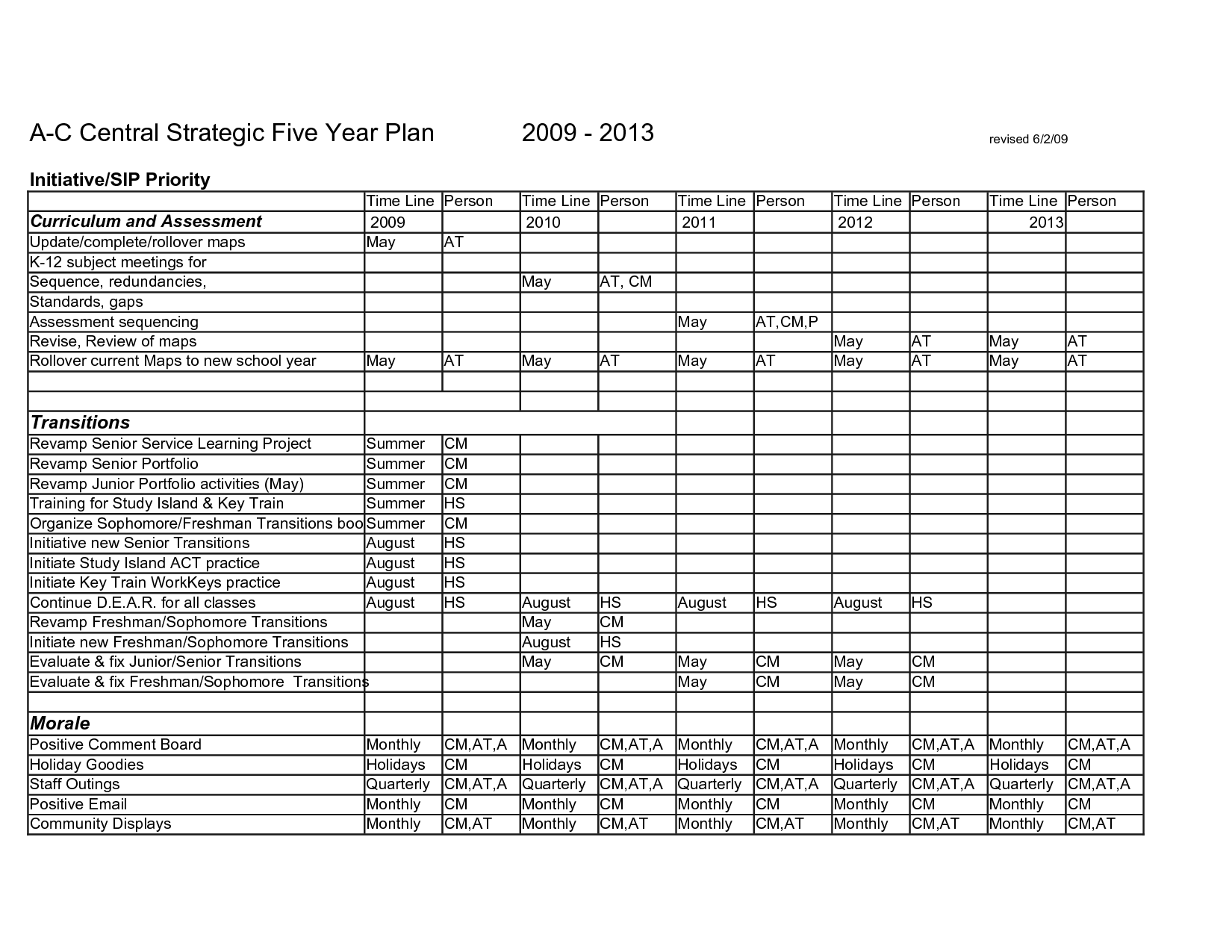 1650×1275 financial plan template db excelcom from db-excel.com
  2252×3042 family financial planning worksheet resourcesaver personal from db-excel.com
  700×905 start family financial plan printable worksheet from www.sunnydayfamily.com
  3264×2448 homeschool family plan plan place from www.aplaninplace.net
  1123×724 family plan template word templates from www.wordtemplates.org


Family Financial Plan Template :
Family Financial Plan Template was posted in November 5, 2025 at 1:49 pm. If you wanna have it as yours, please click the Pictures and you will go to click right mouse then Save Image As and Click Save and download the Family Financial Plan Template Picture.. Don’t forget to share this picture with others via Facebook, Twitter, Pinterest or other social medias! we do hope you'll get inspired by SampleTemplates123... Thanks again! If you have any DMCA issues on this post, please contact us!