Real Estate Investment Plan Template
Real Estate Investment Plan Template: Your Blueprint for Success
Embarking on a real estate investment journey without a solid plan is like setting sail without a map. A well-structured Real Estate Investment Plan Template serves as your guiding document, outlining your goals, strategies, and financial projections, ensuring you stay on course and maximize your returns. This comprehensive guide explores the key components of such a template and how it can pave the way for your investment success.
Why Use a Real Estate Investment Plan Template?
A template provides a structured framework, promoting clarity and organization. It helps you avoid overlooking crucial aspects, fostering informed decision-making. A template also facilitates consistency in your investment process, making it easier to compare potential deals and track your progress. Importantly, it aids in securing financing. Lenders and investors are more likely to approve funding when presented with a detailed and well-thought-out plan.
Essential Components of a Real Estate Investment Plan Template
-
Executive Summary
This section provides a concise overview of your investment strategy, goals, and projected outcomes. It should capture the essence of your plan, highlighting key points such as the target market, investment criteria, and anticipated return on investment (ROI). This section is often written last, after all other sections are complete.
-
Investment Goals and Objectives
Clearly define your investment goals. Are you aiming for short-term gains through flipping properties, or long-term wealth accumulation through rental income? Quantify your objectives. For example, specify the desired annual cash flow, the target ROI, and the timeline for achieving these goals. Be specific, measurable, achievable, relevant, and time-bound (SMART goals).
-
Market Analysis
A thorough market analysis is crucial. Research the local real estate market, identifying trends in property values, rental rates, and vacancy rates. Analyze demographics, employment statistics, and local economic conditions. Identify potential investment areas with strong growth potential and assess the competition. This section should demonstrate your understanding of the market dynamics.
-
Investment Strategy
Describe your chosen investment strategy. Will you focus on residential, commercial, or industrial properties? Will you employ a buy-and-hold strategy, a fix-and-flip approach, or pursue rental properties? Detail the criteria you will use to evaluate potential investments, such as location, property condition, and potential for appreciation. Define your risk tolerance and investment horizon.
-
Property Selection Criteria
Develop specific criteria for selecting investment properties. This includes factors such as:
- Location: Proximity to amenities, schools, transportation, and employment centers.
- Property Type: Single-family homes, multi-family units, condos, townhouses, etc.
- Property Condition: The level of repairs and renovations required.
- Potential for Appreciation: Projected increase in property value.
- Cash Flow Potential: Rental income minus expenses.
- Comparable Sales (Comps): Recent sales prices of similar properties in the area.
-
Financial Analysis
This is the heart of your investment plan. It involves creating detailed financial projections, including:
- Purchase Price: The estimated or actual cost of the property.
- Down Payment: The amount of cash you will invest upfront.
- Mortgage Details: Interest rate, loan term, and monthly payments.
- Operating Expenses: Property taxes, insurance, maintenance, repairs, property management fees, and HOA dues.
- Rental Income: Projected monthly or annual rental income.
- Cash Flow: The difference between rental income and expenses.
- Capital Expenditures (CapEx): Major repairs or renovations.
- Return on Investment (ROI): The percentage return on your investment.
- Internal Rate of Return (IRR): A discounted cash flow metric that measures the profitability of an investment.
- Net Present Value (NPV): The present value of future cash flows, discounted at a specific rate.
Prepare pro forma financial statements, including income statements, balance sheets, and cash flow statements. Use conservative estimates to account for potential risks and uncertainties. Scenario planning, including best-case, worst-case, and most-likely scenarios, adds robustness to your financial analysis.
-
Financing Strategy
Outline your financing strategy. Will you use cash, a mortgage, private lenders, or a combination of these? Explore different financing options and compare interest rates, loan terms, and fees. Include a contingency plan in case your initial financing falls through. Clearly state the loan-to-value (LTV) ratio you are targeting.
-
Management Plan
Describe how you will manage the property. Will you self-manage, or hire a property management company? Outline your tenant screening process, rent collection procedures, and maintenance protocols. Include a plan for handling vacancies and addressing tenant issues.
-
Risk Assessment and Mitigation
Identify potential risks associated with the investment, such as market fluctuations, property damage, tenant issues, and unexpected expenses. Develop strategies to mitigate these risks, such as obtaining adequate insurance coverage, conducting thorough property inspections, and maintaining a reserve fund for unexpected repairs.
-
Exit Strategy
Define your exit strategy. How and when do you plan to sell the property? Consider factors such as market conditions, property appreciation, and your financial goals. Explore different exit options, such as selling on the open market, selling to another investor, or refinancing.
-
Team and Resources
Identify the team and resources you will rely on for support, including real estate agents, lenders, attorneys, accountants, contractors, and property managers. Highlight their expertise and experience. Build relationships with these professionals to ensure smooth operations.
Conclusion
A well-crafted Real Estate Investment Plan Template is an indispensable tool for any aspiring or seasoned real estate investor. By systematically addressing each of the components outlined above, you can create a roadmap for success, minimizing risks and maximizing returns. Remember to regularly review and update your plan as market conditions and your investment goals evolve. Investing the time and effort to develop a comprehensive plan will undoubtedly pay dividends in the long run, leading to a more profitable and fulfilling real estate investment journey.
 750×970 real estate investment business plan template real estate from www.heritagechristiancollege.com
  1586×1243 real estate investment proposal template sampletemplatess from www.sampletemplatess.com
  600×636 real estate investment business plan template sample business from www.heritagechristiancollege.com
  978×720 real estate investment analysis template dremelmicro from dremelmicro.com
  720×932 real estate business plan template real estate investment plan from www.heritagechristiancollege.com
 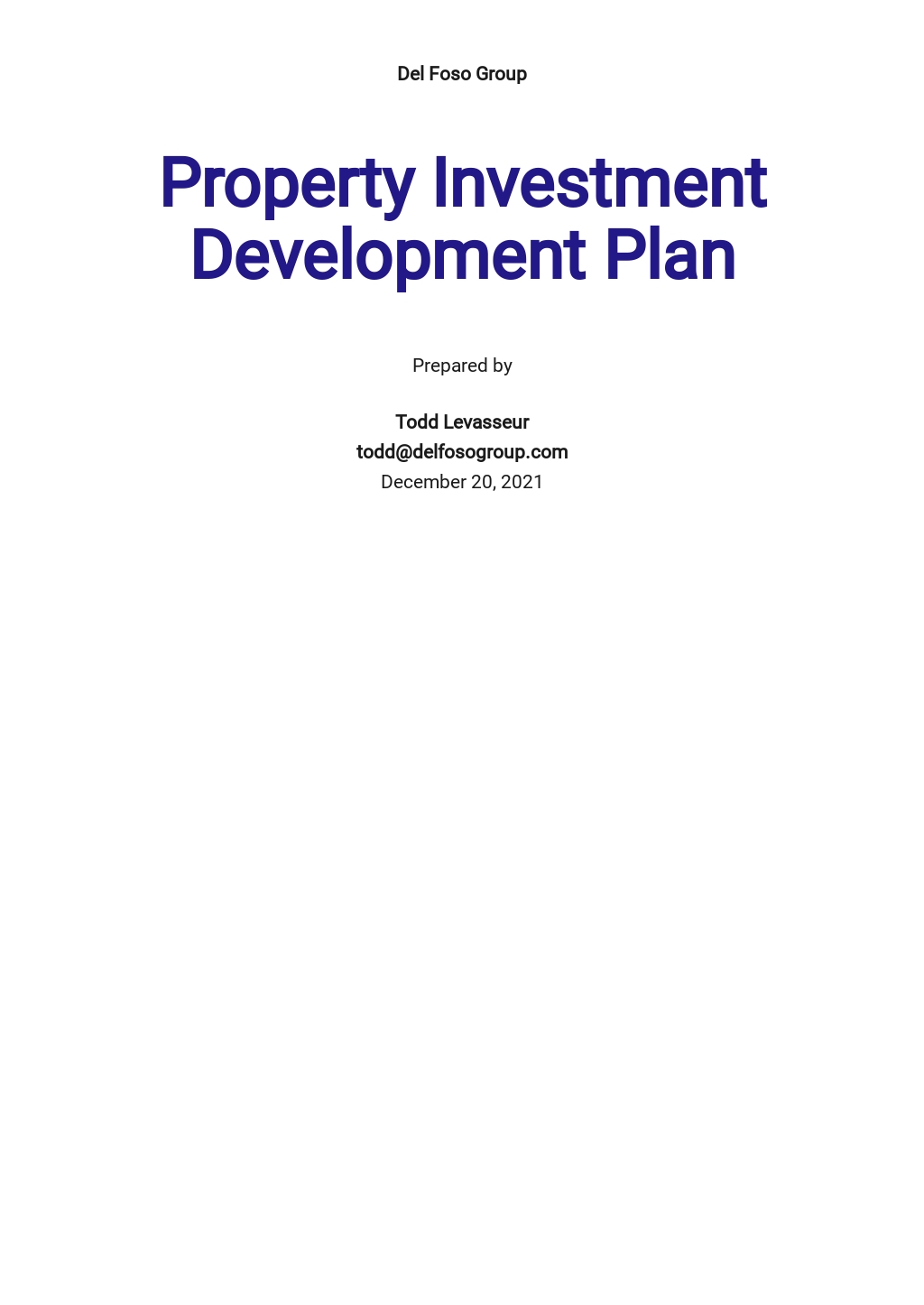 1024×1446 investment plan templates templatenet from www.template.net



Real Estate Investment Plan Template :
Real Estate Investment Plan Template was posted in August 11, 2025 at 8:28 am. If you wanna have it as yours, please click the Pictures and you will go to click right mouse then Save Image As and Click Save and download the Real Estate Investment Plan Template Picture.. Don’t forget to share this picture with others via Facebook, Twitter, Pinterest or other social medias! we do hope you'll get inspired by SampleTemplates123... Thanks again! If you have any DMCA issues on this post, please contact us!