Financial Freedom Budget Planner
Financial Freedom Budget Planner: Your Roadmap to Independence
Financial freedom. The phrase conjures images of sandy beaches, early retirement, and the ability to pursue passions without the constant worry of making ends meet. But for many, it remains a distant dream. The key to transforming that dream into reality lies in a well-structured and consistently followed budget planner. This isn’t just about tracking expenses; it’s about building a roadmap to financial independence, one that aligns your spending with your goals and empowers you to take control of your financial future.
Understanding Financial Freedom
Before diving into the specifics of a budget planner, it’s important to define what financial freedom means to you. It’s not a one-size-fits-all concept. For some, it might be the ability to retire early. For others, it could be having enough passive income to cover their living expenses, allowing them to work on projects they love without financial pressure. Still others might define it as simply having enough savings to weather unexpected emergencies and live comfortably. Understanding your personal definition is crucial because it will shape your budget and financial goals.
Why You Need a Financial Freedom Budget Planner
A budget planner is more than just a spreadsheet; it’s a strategic tool that offers numerous benefits on your journey to financial freedom:
- Clarity and Awareness: It provides a clear picture of your income and expenses, revealing where your money is actually going. This awareness is the first step towards making informed financial decisions.
- Goal Setting and Prioritization: It allows you to set specific, measurable, achievable, relevant, and time-bound (SMART) financial goals, such as paying off debt, saving for a down payment, or investing for retirement.
- Spending Control: It helps you identify areas where you can cut back on unnecessary spending and allocate those funds towards your financial goals.
- Debt Management: It enables you to create a debt repayment plan, prioritizing high-interest debt and developing strategies for becoming debt-free.
- Savings and Investment Strategies: It facilitates the creation of a savings plan for emergencies, retirement, and other long-term goals, and helps you explore investment options.
- Financial Security: It provides a sense of security and control over your finances, reducing stress and anxiety related to money matters.
- Progress Tracking and Motivation: It allows you to track your progress towards your financial goals, providing motivation and encouragement to stay on track.
Creating Your Financial Freedom Budget Planner
There are various methods and tools you can use to create a budget planner, from simple spreadsheets to sophisticated budgeting apps. The key is to choose a method that suits your personal preferences and financial situation.
Step 1: Calculate Your Income
Start by calculating your total monthly income. This includes your salary, wages, freelance income, rental income, and any other sources of income. Be sure to factor in taxes and other deductions. If your income fluctuates, calculate an average monthly income based on the past few months.
Step 2: Track Your Expenses
This is arguably the most crucial step. Track every penny you spend for at least a month. You can use a notebook, spreadsheet, budgeting app, or a combination of methods. Categorize your expenses into different categories, such as:
- Housing: Rent or mortgage payments, property taxes, insurance, utilities
- Transportation: Car payments, gas, insurance, public transportation
- Food: Groceries, dining out
- Utilities: Electricity, gas, water, internet, phone
- Debt Payments: Credit card payments, student loan payments, personal loan payments
- Insurance: Health insurance, life insurance, car insurance
- Entertainment: Movies, concerts, subscriptions
- Personal Care: Haircuts, toiletries
- Healthcare: Doctor visits, prescriptions
- Savings and Investments: Contributions to retirement accounts, savings accounts, investment accounts
- Miscellaneous: Gifts, clothing, subscriptions, unexpected expenses
Step 3: Analyze Your Spending
Once you’ve tracked your expenses for a month, analyze where your money is going. Identify areas where you’re overspending and areas where you can cut back. Look for patterns in your spending habits and identify any wasteful or unnecessary expenses.
Step 4: Create Your Budget
Now, create your budget based on your income and expenses. Allocate a specific amount of money to each expense category. Prioritize essential expenses such as housing, food, and transportation. Then, allocate funds to debt repayment, savings, and investments. Be realistic and flexible, and adjust your budget as needed.
Here are a few popular budgeting methods to consider:
- 50/30/20 Rule: Allocate 50% of your income to needs (housing, food, transportation), 30% to wants (entertainment, dining out), and 20% to savings and debt repayment.
- Zero-Based Budget: Allocate every dollar of your income to a specific purpose, ensuring that your income minus your expenses equals zero.
- Envelope System: Allocate cash to different expense categories and use only that cash for those expenses.
Step 5: Set Financial Goals
Define your financial goals and prioritize them. These goals should be specific, measurable, achievable, relevant, and time-bound (SMART). Examples of financial goals include:
- Paying off debt: How much debt do you want to pay off and by when?
- Building an emergency fund: How much money do you want to save in your emergency fund?
- Saving for a down payment: How much do you need for a down payment and when do you want to buy a house?
- Investing for retirement: How much do you need to save each month to reach your retirement goals?
- Early Retirement: When do you want to retire and how much do you need to have saved?
Step 6: Monitor and Adjust Your Budget
Budgeting is an ongoing process. Monitor your spending regularly and compare it to your budget. Identify any discrepancies and make adjustments as needed. Review your budget at least once a month to ensure it still aligns with your financial goals and priorities. Life changes, income fluctuations, and unexpected expenses may require you to make adjustments to your budget.
Tools and Resources
Numerous tools and resources are available to help you create and manage your budget:
- Spreadsheets: Microsoft Excel and Google Sheets are versatile tools for creating custom budget planners.
- Budgeting Apps: Mint, YNAB (You Need a Budget), Personal Capital, and PocketGuard are popular budgeting apps that can help you track your expenses, set goals, and manage your finances.
- Financial Advisors: Consider consulting a financial advisor for personalized advice and guidance on your financial planning.
- Online Resources: Websites and blogs such as NerdWallet, The Balance, and Investopedia offer valuable information and resources on budgeting, saving, and investing.
Tips for Success
Here are some tips to help you succeed with your financial freedom budget planner:
- Be Realistic: Create a budget that is realistic and sustainable. Don’t try to cut back too much too quickly, as this can lead to burnout.
- Be Consistent: Stick to your budget as closely as possible. The more consistent you are, the better your chances of achieving your financial goals.
- Automate Savings: Automate your savings by setting up automatic transfers from your checking account to your savings or investment accounts.
- Avoid Impulse Purchases: Think carefully before making any non-essential purchases. Ask yourself if you really need it and if it aligns with your financial goals.
- Find an Accountability Partner: Share your financial goals with a friend or family member who can provide support and accountability.
- Celebrate Small Victories: Acknowledge and celebrate your progress along the way. This will help you stay motivated and on track.
- Don’t Give Up: There will be times when you fall off track. Don’t get discouraged. Simply get back on track as soon as possible.
Conclusion
A financial freedom budget planner is an essential tool for achieving your financial goals and building a secure financial future. By taking the time to create and follow a budget, you can gain control of your finances, reduce stress, and work towards financial independence. Remember that budgeting is an ongoing process that requires discipline, patience, and commitment. With dedication and persistence, you can achieve your financial goals and live the life you’ve always dreamed of. The journey to financial freedom starts with a single step – creating your budget planner today.
 672×479 financial freedom planner modern frugality from www.modernfrugality.com
  1588×4321 financial planner budget planner finance planner budget printable from www.etsy.com
  683×1024 create budget achieve financial freedom today from livinglowkey.com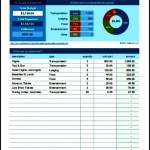


Financial Freedom Budget Planner :
Financial Freedom Budget Planner was posted in January 29, 2026 at 11:59 pm. If you wanna have it as yours, please click the Pictures and you will go to click right mouse then Save Image As and Click Save and download the Financial Freedom Budget Planner Picture.. Don’t forget to share this picture with others via Facebook, Twitter, Pinterest or other social medias! we do hope you'll get inspired by SampleTemplates123... Thanks again! If you have any DMCA issues on this post, please contact us!
Related For Financial Freedom Budget Planner

Free Monthly Budget Components PDF
Free Monthly Budget Components PDF Formmat Stress Relief Planning
Sample College Budget Template
Sample College Budget Template How To Connect With Someone