Budgeting Plan Template For High-income Earners
“`html
Budgeting Plan Template for High-Income Earners
While a high income provides financial breathing room, it doesn’t automatically guarantee financial security. Without a solid budgeting plan, even substantial earnings can be mismanaged. This template focuses on creating a budget that caters to the unique needs and opportunities of high-income earners, emphasizing strategic investments, tax optimization, and wealth building.
Phase 1: Calculate Your Net Income
This initial step involves accurately determining your actual take-home pay after taxes, insurance premiums (health, life, disability), and retirement contributions. Don’t rely on your gross salary. Use your pay stubs to get a precise figure. If your income fluctuates due to bonuses, commissions, or stock options, calculate a conservative average based on past performance. A spreadsheet can be helpful for this.
Phase 2: Track and Categorize Expenses
Understanding where your money is going is crucial. For at least one month (ideally three), meticulously track every expense. Use budgeting apps like YNAB (You Need A Budget), Mint, Personal Capital, or a simple spreadsheet. Categorize your spending into the following areas:
- Fixed Expenses: These are recurring expenses that remain relatively consistent each month, such as mortgage payments, rent, property taxes, insurance premiums (home, auto), and loan payments (student loans, car loans).
- Variable Expenses: These fluctuate from month to month, including groceries, dining out, utilities (electricity, gas, water), transportation (gas, public transit, car maintenance), entertainment, clothing, and personal care.
- Discretionary Spending: This category covers non-essential spending like hobbies, travel, expensive meals, luxury items, and subscriptions you could easily live without.
- Savings & Investments: This includes contributions to retirement accounts (401(k), IRA), taxable investment accounts, real estate investments, and emergency fund contributions.
- Debt Repayment: This category includes payments above the minimum required on debts such as credit cards, lines of credit, or mortgages, strategically targeting high-interest debts for accelerated repayment.
- Taxes: While some taxes are deducted from your paycheck, high-income earners often have additional tax liabilities related to investments, self-employment income, or property. Plan for these and factor them into your budget.
Phase 3: Analyze and Prioritize
Once you have a clear picture of your income and expenses, analyze your spending habits. Identify areas where you can cut back, especially in discretionary spending. Prioritize your financial goals, such as paying off debt, maximizing retirement savings, investing in real estate, or starting a business. This is where the “high-income” advantage comes into play: you have more potential to accelerate progress toward these goals.
Phase 4: Develop Your Budget Plan
Based on your analysis and priorities, create a budget that aligns with your financial goals. Here’s a suggested framework:
- Housing (25-35% of net income): While this percentage can be higher in expensive areas, aim to keep it reasonable. Consider the total cost of homeownership, including mortgage, property taxes, insurance, and maintenance.
- Transportation (10-15% of net income): This includes car payments, insurance, gas, maintenance, and public transportation. Consider the total cost of ownership for each vehicle.
- Utilities (5-10% of net income): Electricity, gas, water, internet, phone.
- Food (10-15% of net income): Groceries and dining out. High-income earners often spend more on dining out, but consciously track this category.
- Debt Repayment (10-20% of net income): This is where you can make significant progress. Allocate extra funds to pay down high-interest debts aggressively. A debt avalanche or debt snowball strategy can be helpful.
- Savings & Investments (15-30% of net income): This is a critical area for high-income earners. Maximize contributions to tax-advantaged retirement accounts (401(k), IRA, HSA). Explore other investment options like taxable brokerage accounts, real estate, or business ventures. Consult with a financial advisor to develop a diversified investment strategy.
- Taxes (allocate based on projected tax liability): High-income earners often face more complex tax situations. Consult with a tax professional to optimize your tax strategy and plan for estimated tax payments.
- Discretionary Spending (5-10% of net income): Allocate a specific amount for entertainment, hobbies, travel, and other non-essential expenses. Be mindful of lifestyle creep and avoid overspending in this area.
- Personal Care/Other (5-10% of net income): This includes clothing, personal grooming, gifts, charitable donations, and miscellaneous expenses.
Phase 5: Implement and Monitor
Put your budget into action and track your progress regularly. Use your chosen budgeting app or spreadsheet to monitor your spending and compare it to your budgeted amounts. Review your budget monthly and make adjustments as needed. Life changes, such as job promotions, unexpected expenses, or new financial goals, may require adjustments to your budget.
Phase 6: Optimize and Refine
A budget is not a static document. Continuously optimize and refine your budget based on your progress and changing circumstances. Consider the following:
- Tax Optimization: Work with a tax advisor to identify strategies to minimize your tax liability, such as maximizing deductions, tax-loss harvesting, and investing in tax-advantaged accounts.
- Investment Diversification: Review your investment portfolio regularly to ensure it aligns with your risk tolerance and financial goals. Consider diversifying across different asset classes, such as stocks, bonds, real estate, and alternative investments.
- Estate Planning: High-income earners should have a comprehensive estate plan in place, including a will, trust, and power of attorney. This will ensure your assets are distributed according to your wishes and minimize estate taxes.
- Financial Advisor: Consider working with a qualified financial advisor who can provide personalized guidance on budgeting, investing, and financial planning.
Important Considerations for High-Income Earners
- Lifestyle Inflation: Be mindful of lifestyle inflation, which is the tendency to increase spending as income increases. Avoid unnecessary spending and focus on building wealth.
- Complex Financial Situations: High-income earners often have more complex financial situations, including stock options, rental properties, and business ownership. Seek professional advice to manage these assets effectively.
- Long-Term Goals: Focus on long-term financial goals, such as early retirement, financial independence, and leaving a legacy.
This budgeting plan template provides a framework for high-income earners to manage their finances effectively. Remember to customize the template to fit your specific circumstances and consult with financial professionals for personalized advice. By following these steps, you can take control of your finances and build a secure financial future.
“`
 1000×1000 monthly budget plan template monthly income plan stock vector adobe from stock.adobe.com
  980×980 monthly budget plan template monthly income plan vector art from www.vecteezy.com
  1484×1920 budget planner monthly template page financial plan incomes from www.vecteezy.com
  1414×2000 printable budget template digital paycheck note budget printable from www.etsy.com
  2700×2052 income budget template printable weekly budget printable biweekly from www.etsy.com
  443×626 premium vector monthly income expense budget planner template from www.freepik.com
  736×736 budget template printable income budget printable etsy from www.pinterest.com
  794×1191 monthly income budgeting etsy from www.etsy.com
  1000×1000 personal budget planning template from lesboucans.com
  1080×821 income budget template printable weekly budget printable etsy from www.etsy.com
  1484×1920 budget planner template page design income expenses vector from www.vecteezy.com
  900×635 premium vector budget planner template income expenses from www.freepik.com
  1546×2000 premium vector budget planner template page design income from www.freepik.com
  626×626 premium vector monthly budget plan template monthly income plan from www.freepik.com
  2000×2000 etsy financial budgeting templates guides income etsy from www.etsy.com
  700×990 personalize modern simple income expenses budget planner from wepik.com
  1080×1528 monthly budget template income expense tracker money management from www.etsy.com
  700×990 edit simple income expenses savings budget planner from wepik.com
 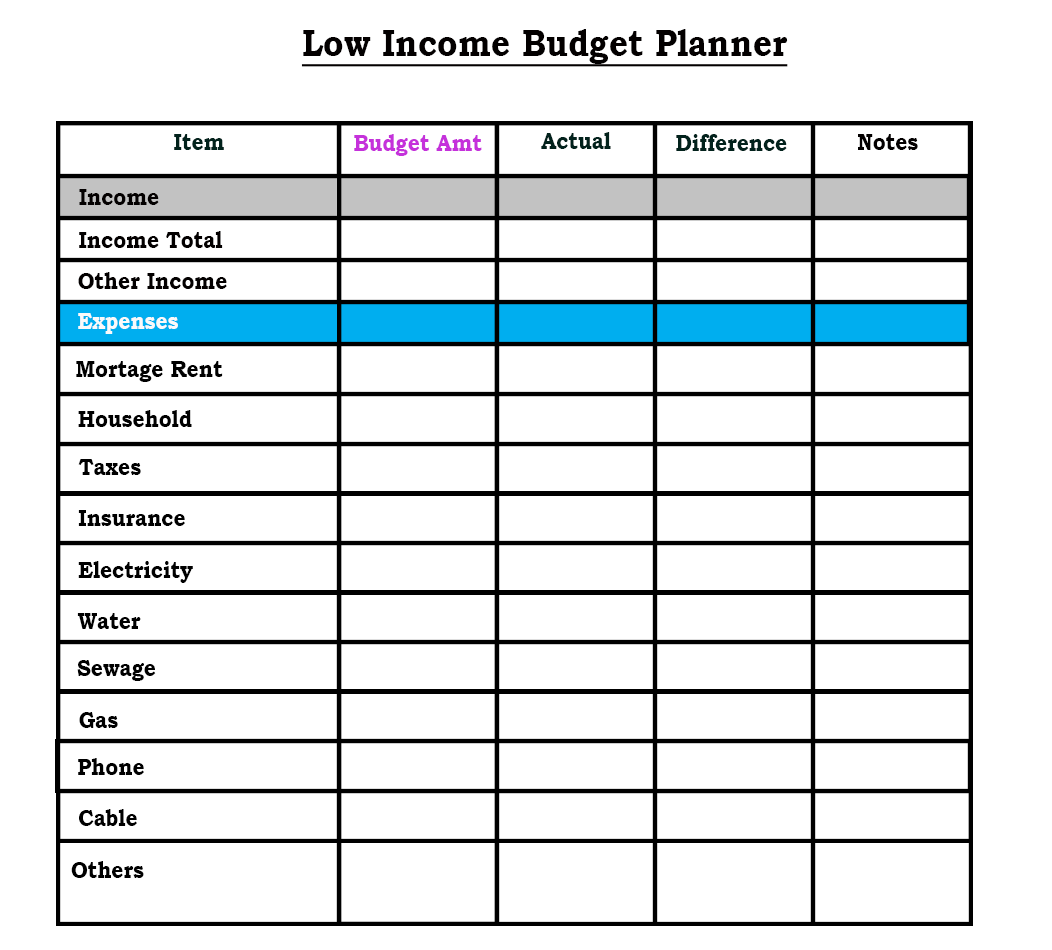 1052×950 sample printable budget planner template word excel from bestlettertemplate.com
  700×784 managing personal income budgeting guide excel template from pikbest.com
  1359×1920 monthly income expense budget planner template vector art from www.vecteezy.com
  736×1308 monthly budget planning ideas paycheck budget template finance from it.pinterest.com
  735×1102 budget outline template from template.mapadapalavra.ba.gov.br
  735×1040 incomes expenses planner template elegant minimalist finance from www.pinterest.com


Budgeting Plan Template For High-income Earners :
Budgeting Plan Template For High-income Earners was posted in November 18, 2025 at 7:11 pm. If you wanna have it as yours, please click the Pictures and you will go to click right mouse then Save Image As and Click Save and download the Budgeting Plan Template For High-income Earners Picture.. Don’t forget to share this picture with others via Facebook, Twitter, Pinterest or other social medias! we do hope you'll get inspired by SampleTemplates123... Thanks again! If you have any DMCA issues on this post, please contact us!