Budgeting Plan Template For Transportation
Transportation Budgeting Plan Template
Effective transportation budgeting is crucial for managing your finances, whether you’re commuting to work, running errands, or enjoying leisure travel. A well-structured budgeting plan helps you understand where your transportation money is going, identify areas for potential savings, and ensure you have sufficient funds to cover your needs. This template provides a framework for creating a personalized transportation budget.
I. Understanding Your Transportation Needs
Before diving into numbers, it’s essential to define your transportation needs. This involves assessing your typical travel patterns and identifying all modes of transportation you regularly use.
- Commuting: Daily travel to and from work or school.
- Errands: Trips for grocery shopping, appointments, and other necessary tasks.
- Personal Travel: Leisure activities, visiting friends and family, vacations.
- Occasional Travel: One-off trips, special events, or unforeseen circumstances.
II. Identifying Transportation Expenses
This is where you list all potential costs associated with your transportation. Be as comprehensive as possible.
A. Vehicle-Related Costs (If Applicable)
- Fuel: Track your fuel consumption and the average cost per gallon/liter.
- Car Payments: Monthly loan payments for your vehicle.
- Insurance: Auto insurance premiums.
- Maintenance: Routine maintenance (oil changes, tire rotations) and unexpected repairs. Factor in a buffer for unforeseen issues.
- Registration Fees: Annual or biennial vehicle registration costs.
- Parking: Monthly parking fees at work or in residential areas, as well as parking costs during errands and leisure activities.
- Tolls: Expenses for toll roads or bridges.
- Car Washes: Costs associated with keeping your vehicle clean.
- Vehicle Depreciation: While not a direct cash outflow, consider the decreasing value of your vehicle over time. This can be helpful for future planning.
B. Public Transportation Costs
- Monthly Passes: Cost of a monthly or weekly public transportation pass.
- Individual Tickets: Cost per ride on buses, trains, subways, etc.
- Ride-Sharing Services: Expenses for using services like Uber or Lyft.
- Taxi Fares: Expenses for traditional taxi services.
C. Other Transportation Costs
- Bicycle Maintenance: Costs associated with maintaining a bicycle (repairs, new tires, accessories).
- Walking Shoes/Gear: Expenses for comfortable walking shoes or other gear necessary for walking as a primary mode of transportation.
- Rental Cars: Costs associated with renting vehicles for trips.
- Plane/Train/Bus Tickets: Fares for long-distance travel.
- Airport Parking/Transportation: Costs for parking at the airport or using transportation to get to the airport (e.g., shuttle, taxi).
III. Creating the Budget Template
Now it’s time to build the budgeting template. You can use a spreadsheet program like Excel or Google Sheets, or a dedicated budgeting app. Here’s a suggested structure:
| Expense Category | Estimated Monthly Cost | Actual Monthly Cost | Notes |
|---|---|---|---|
| Fuel | Track mileage and fuel prices to refine estimates. | ||
| Car Payment | Fixed amount. | ||
| Insurance | Fixed amount (usually paid monthly). | ||
| Maintenance | Allocate a portion for anticipated maintenance; adjust based on actual costs. | ||
| Registration Fees | Divide the annual fee by 12 for a monthly allocation. | ||
| Parking | Include both regular parking and occasional expenses. | ||
| Tolls | Track toll expenses to refine estimates. | ||
| Public Transportation Pass | Fixed cost if using a pass. | ||
| Ride-Sharing Services | Track usage and costs to identify trends. | ||
| Long Distance Travel (Plane/Train/Bus) | Allocate a monthly amount for planned future trips. | ||
| Total Transportation Costs | Sum of all estimated/actual costs. |
IV. Tracking and Adjusting Your Budget
The budgeting process doesn’t end with creating the template. Consistent tracking and periodic adjustments are crucial for its effectiveness.
- Track Expenses Regularly: Use a spreadsheet, budgeting app, or notebook to record your actual transportation expenses. Aim for daily or weekly tracking.
- Compare Actual vs. Estimated: At the end of each month, compare your actual expenses to your estimated expenses. Identify areas where you overspent or underspent.
- Adjust the Budget: Based on your tracking, adjust your budget for the following month. Refine your estimates and identify opportunities for savings.
- Review Regularly: Review your entire transportation budget every few months (e.g., quarterly) to ensure it still aligns with your needs and goals. Consider changes in your commuting habits, vehicle condition, or public transportation options.
- Consider Alternatives: Explore alternative transportation options that could save you money. This might involve biking, walking, carpooling, or using public transportation more frequently.
- Prioritize Needs vs. Wants: Distinguish between essential transportation needs and discretionary travel wants. Focus on meeting your essential needs first and then allocate funds for your wants if your budget allows.
V. Tips for Saving on Transportation Costs
- Maintain Your Vehicle: Regular maintenance can prevent costly repairs and improve fuel efficiency.
- Shop Around for Insurance: Compare quotes from different insurance providers to ensure you’re getting the best rate.
- Drive Efficiently: Avoid aggressive driving habits, such as speeding and rapid acceleration, to improve fuel economy.
- Carpool or Use Public Transportation: Share rides with others or utilize public transportation to reduce fuel costs and parking fees.
- Plan Your Trips: Combine errands and plan your routes to minimize travel distance and time.
- Take Advantage of Discounts: Look for discounts on public transportation, car rentals, or fuel through employer programs, student discounts, or loyalty programs.
- Consider a More Fuel-Efficient Vehicle: When replacing your vehicle, consider choosing a model with better fuel economy.
- Work From Home: If possible, explore opportunities to work from home to reduce commuting costs.
By following this transportation budgeting plan template and consistently tracking your expenses, you can gain better control over your finances and save money on transportation costs.
 1024×1446 transportation plan templates edit templatenet from www.template.net
  600×848 transport management plan examples from www.examples.com
  605×1024 business travel budget template excel google sheets from templatet.com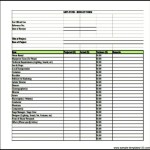


Budgeting Plan Template For Transportation :
Budgeting Plan Template For Transportation was posted in June 24, 2025 at 8:14 pm. If you wanna have it as yours, please click the Pictures and you will go to click right mouse then Save Image As and Click Save and download the Budgeting Plan Template For Transportation Picture.. Don’t forget to share this picture with others via Facebook, Twitter, Pinterest or other social medias! we do hope you'll get inspired by SampleTemplates123... Thanks again! If you have any DMCA issues on this post, please contact us!