Budgeting Plan Template For Entertainment
Entertainment Budgeting: A Template for Fun Within Your Means
Entertainment is an essential part of a balanced life. It allows us to relax, recharge, and connect with others. However, entertainment expenses can quickly spiral out of control if not managed effectively. This article provides a comprehensive entertainment budgeting template to help you enjoy life without breaking the bank.
Why Budget for Entertainment?
Budgeting for entertainment might seem counterintuitive. Shouldn’t fun be spontaneous? While spontaneity has its place, consistently neglecting to plan for entertainment can lead to:
- Overspending and Debt: Impulse buys and unplanned outings add up quickly, impacting your overall financial health.
- Guilt and Stress: Enjoying entertainment becomes overshadowed by worry about the financial consequences.
- Missed Financial Goals: Entertainment spending can derail progress toward savings, investments, or debt repayment.
- Limited Choices: Lack of planning can result in always opting for the most convenient (and often expensive) options.
The Entertainment Budgeting Template: A Step-by-Step Guide
This template provides a structured approach to managing your entertainment expenses. Adjust it to fit your specific lifestyle and preferences.
Step 1: Determine Your Available Income
Start by calculating your net monthly income – the amount you take home after taxes and other deductions. This is the foundation of your entire budget, including your entertainment allocation.
Step 2: Track Your Current Entertainment Spending
Before creating a budget, understand where your money is currently going. Track all entertainment expenses for at least one month. Use a budgeting app, spreadsheet, or notebook to record every purchase, no matter how small. Categories to track might include:
- Dining Out: Restaurants, cafes, fast food.
- Movies & Shows: Cinema tickets, streaming subscriptions.
- Concerts & Events: Live music, theater, sporting events.
- Hobbies & Recreation: Gym memberships, sports equipment, craft supplies.
- Travel & Vacations: Weekend getaways, longer trips.
- Games & Gambling: Video games, board games, lottery tickets, casino visits.
- Books & Magazines: Physical books, e-books, magazine subscriptions.
At the end of the month, analyze your spending patterns. Identify areas where you’re overspending and where you might be able to cut back.
Step 3: Set Entertainment Budget Limits
Based on your income and spending analysis, determine a realistic monthly entertainment budget. Consider the following factors:
- Your Financial Goals: How much are you saving for retirement, a down payment, or other important goals? Prioritize these goals over entertainment.
- Your Needs vs. Wants: Differentiate between essential expenses (housing, food, transportation) and discretionary spending (entertainment).
- Your Lifestyle: Do you prefer frequent small outings or occasional larger events? Adjust your budget accordingly.
A common rule of thumb is the 50/30/20 rule: 50% of your income for needs, 30% for wants, and 20% for savings and debt repayment. Entertainment falls under the “wants” category. Adjust these percentages based on your individual circumstances. You might allocate 10-15% of your income to entertainment if you have significant financial obligations or ambitious savings goals.
Step 4: Allocate Your Entertainment Budget
Divide your overall entertainment budget into specific categories. This provides more control and flexibility. For example:
- Dining Out: $100 per month
- Movies & Shows: $50 per month
- Concerts & Events: $75 per month
- Hobbies & Recreation: $50 per month
- Travel & Vacations: $125 per month (saving towards a larger trip)
The key is to create a breakdown that aligns with your preferences and spending habits. You can adjust these amounts as needed, but stick to the overall monthly limit.
Step 5: Track Your Spending Against Your Budget
Regularly monitor your entertainment spending throughout the month. Use your chosen tracking method (app, spreadsheet, notebook) to record all expenses. Compare your actual spending to your budgeted amounts for each category.
Tools and Apps: Numerous budgeting apps are available to help you track your spending automatically. Some popular options include Mint, YNAB (You Need a Budget), Personal Capital, and PocketGuard.
Step 6: Make Adjustments as Needed
Your budget isn’t set in stone. As your income, expenses, and preferences change, you’ll need to adjust your entertainment budget accordingly. Revisit your budget monthly to identify areas where you can optimize spending.
Examples of Adjustments:
- Lowering Subscription Costs: Cancel unused streaming services, downgrade to a cheaper plan.
- Finding Free or Low-Cost Activities: Explore free events in your community, go for hikes, host game nights.
- Cooking at Home More Often: Reduce your dining out expenses by preparing meals at home.
- Saving Up for Larger Expenses: Create a separate savings fund for vacations or expensive concerts.
Step 7: Embrace Creative Alternatives
Entertainment doesn’t always have to be expensive. There are many ways to enjoy yourself without spending a lot of money.
Ideas for Affordable Entertainment:
- Host Potlucks: Invite friends over for a potluck dinner.
- Explore Local Parks and Trails: Enjoy the outdoors with a picnic or hike.
- Borrow Books from the Library: Access a wide range of books, movies, and music for free.
- Attend Free Community Events: Check local listings for free concerts, festivals, and workshops.
- Have a Movie Night at Home: Pop some popcorn and watch a movie with friends or family.
Sample Entertainment Budgeting Template (Monthly)
| Category | Budgeted Amount | Actual Spending | Notes |
|---|---|---|---|
| Dining Out | $100 | Limit to one restaurant meal per week. | |
| Movies & Shows | $50 | One streaming service subscription. | |
| Concerts & Events | $75 | Look for discounted tickets or free events. | |
| Hobbies & Recreation | $50 | Craft supplies, sports equipment. | |
| Travel & Vacations | $125 | Saving for a future trip. | |
| Total | $400 |
Copy this table into a spreadsheet or notebook to track your own entertainment expenses.
Conclusion
Entertainment is an important aspect of a fulfilling life, but it’s crucial to manage your spending effectively. By following this entertainment budgeting template, you can enjoy your favorite activities without compromising your financial goals. Remember to track your spending, make adjustments as needed, and explore creative alternatives to keep your entertainment budget on track. With careful planning and mindful spending, you can have fun and maintain financial stability.
 585×600 event budget template word templates from www.wordstemplates.org
  2500×1630 event budget template excel templates from exceltemplate77.blogspot.com
 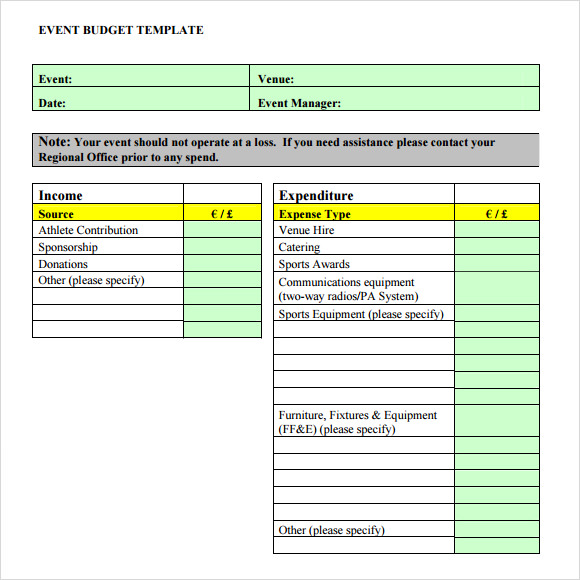 580×580 event planning budget template sampletemplatess sampletemplatess from www.sampletemplatess.com
  765×1024 event budget templatels excelxocom from excelxo.com
  696×900 event budget template documents word excel from www.dexform.com


Budgeting Plan Template For Entertainment :
Budgeting Plan Template For Entertainment was posted in September 3, 2025 at 1:33 pm. If you wanna have it as yours, please click the Pictures and you will go to click right mouse then Save Image As and Click Save and download the Budgeting Plan Template For Entertainment Picture.. Don’t forget to share this picture with others via Facebook, Twitter, Pinterest or other social medias! we do hope you'll get inspired by SampleTemplates123... Thanks again! If you have any DMCA issues on this post, please contact us!