Non-profit Marketing Plan Template
Non-Profit Marketing Plan Template
A robust marketing plan is crucial for any non-profit organization seeking to expand its reach, amplify its message, and secure sustainable funding. Unlike for-profit marketing, non-profit marketing focuses on building relationships, promoting a cause, and driving social impact. A well-defined marketing plan acts as a roadmap, guiding efforts to connect with the right audiences and inspire action.
Key Components of a Non-Profit Marketing Plan Template
Here’s a comprehensive breakdown of the essential sections within a non-profit marketing plan template:
1. Executive Summary
This section provides a concise overview of the entire plan. It highlights the organization’s mission, vision, target audiences, key marketing objectives, and strategies. It should be written last, after the rest of the plan is complete, to accurately summarize its content. Think of it as an elevator pitch for your marketing efforts, compelling the reader to delve deeper.
2. Situation Analysis
This section involves a thorough assessment of the current landscape. It includes both internal and external factors affecting the organization. * **Internal Analysis (SWOT):** Conduct a SWOT analysis to identify the organization’s Strengths, Weaknesses, Opportunities, and Threats. Strengths are internal advantages, while weaknesses are internal limitations. Opportunities are external factors that can be leveraged, and threats are external factors that pose a challenge. * **External Analysis:** This involves analyzing the external environment, including: * **Target Audience Analysis:** Define your ideal donor, volunteer, and beneficiary profiles. Understand their demographics, psychographics, needs, motivations, and online behavior. Segment your audience for more targeted messaging. * **Competitive Analysis:** Identify other non-profits operating in the same space. Analyze their marketing strategies, strengths, and weaknesses to identify areas where you can differentiate yourself. * **Market Trends:** Research relevant industry trends, such as emerging technologies, changes in donor behavior, and evolving social issues.
3. Target Audience
Clearly define your target audiences. This isn’t just about identifying “donors” or “volunteers.” Break down these broad categories into specific segments with distinct characteristics. For each segment, create detailed personas that include:
* **Demographics:** Age, gender, location, income, education, etc. * **Psychographics:** Values, interests, lifestyle, motivations, attitudes. * **Needs and Challenges:** What problems are they facing that your organization can address? * **Communication Preferences:** Where do they spend their time online? What types of messages resonate with them?
4. Marketing Objectives
Set SMART (Specific, Measurable, Achievable, Relevant, Time-bound) marketing objectives. These objectives should align with the organization’s overall strategic goals. Examples include:
* Increase website traffic by 20% in the next quarter. * Grow social media followers by 15% within six months. * Raise $50,000 in online donations during the year-end campaign. * Recruit 50 new volunteers in the next three months. * Improve brand awareness among the target audience by 10% by the end of the year.
5. Marketing Strategies
Outline the strategies you’ll use to achieve your marketing objectives. This section should describe the overall approach you’ll take. Examples include:
* **Content Marketing:** Creating and distributing valuable, relevant, and consistent content to attract and engage your target audience. * **Social Media Marketing:** Building a strong presence on relevant social media platforms to connect with your audience, share your story, and drive engagement. * **Email Marketing:** Building an email list and sending targeted emails to nurture leads, solicit donations, and keep supporters informed. * **Search Engine Optimization (SEO):** Optimizing your website and content to rank higher in search engine results pages (SERPs) for relevant keywords. * **Public Relations (PR):** Building relationships with media outlets and influencers to generate positive press coverage. * **Partnerships:** Collaborating with other organizations to reach new audiences and expand your impact. * **Events:** Hosting or participating in events to raise awareness, engage supporters, and solicit donations.
6. Marketing Tactics
This section provides a detailed description of the specific actions you’ll take to implement your marketing strategies. For each strategy, list the specific tactics you’ll use. Examples include:
* **Content Marketing:** Blog posts, infographics, videos, case studies, ebooks, webinars. * **Social Media Marketing:** Posting engaging content, running targeted ads, hosting contests, participating in relevant conversations. * **Email Marketing:** Sending newsletters, donation appeals, event invitations, thank-you notes. * **SEO:** Keyword research, on-page optimization, off-page optimization, link building. * **PR:** Press releases, media outreach, influencer marketing, speaking engagements. * **Partnerships:** Joint marketing campaigns, cross-promotions, co-branded events. * **Events:** Galas, walks/runs, awareness campaigns, volunteer days.
7. Budget
Allocate resources to each marketing activity. This section outlines your marketing budget, detailing how much you’ll spend on each strategy and tactic. Be realistic and transparent about your financial constraints. Consider both direct costs (e.g., advertising spend) and indirect costs (e.g., staff time). A well-defined budget ensures that your marketing efforts are sustainable.
8. Evaluation and Measurement
Define how you’ll measure the success of your marketing efforts. Identify key performance indicators (KPIs) for each objective and track your progress regularly. Use data to make informed decisions and optimize your strategies over time. Examples of KPIs include:
* Website traffic * Social media engagement * Email open rates and click-through rates * Donation amounts * Volunteer recruitment numbers * Brand awareness scores
9. Timeline
Create a detailed timeline that outlines when each marketing activity will take place. This helps you stay organized and on track. The timeline should include start and end dates for each task, as well as responsible parties.
10. Appendix
Include any supporting documents, such as market research reports, competitor analyses, and budget spreadsheets. This section provides additional information that supports your marketing plan.
By utilizing this non-profit marketing plan template, organizations can create a structured and effective approach to reach their goals, connect with their audiences, and make a lasting impact.
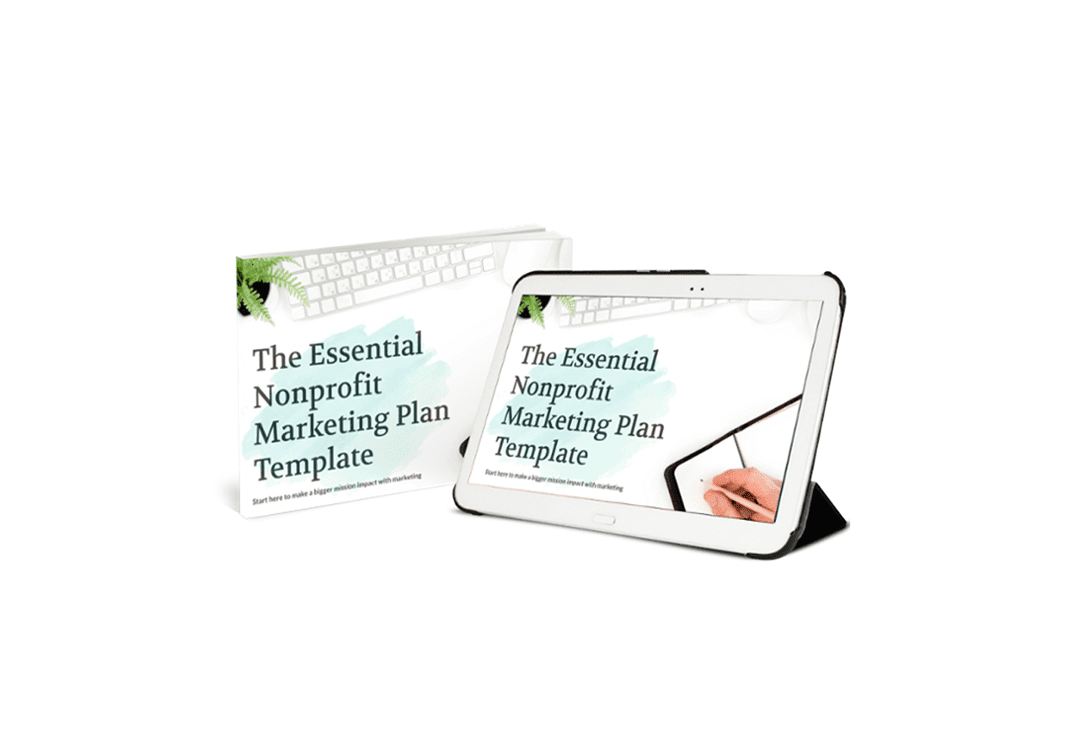 1080×755 essential nonprofit marketing plan template from prosper-strategies.com
  585×600 marketing plan templates word excel examples from www.creativetemplate.net
  728×942 nonprofit marketing plan template template from templatepdf.blogspot.com
  1024×1446 profit organization templates word templatenet from www.template.net
  580×662 profit business plan samples sample templates from www.sampletemplates.com
  728×943 nonprofit marketing plan template summary from www.slideshare.net
  600×856 sample marketing plan templates sample templates from www.sampletemplates.com
  986×1024 profit marketing plan template room surfcom from uroomsurf.com
  580×703 sample nonprofit business plan google docs ms word from www.sampletemplates.com


Non-profit Marketing Plan Template :
Non-profit Marketing Plan Template was posted in June 9, 2025 at 8:17 am. If you wanna have it as yours, please click the Pictures and you will go to click right mouse then Save Image As and Click Save and download the Non-profit Marketing Plan Template Picture.. Don’t forget to share this picture with others via Facebook, Twitter, Pinterest or other social medias! we do hope you'll get inspired by SampleTemplates123... Thanks again! If you have any DMCA issues on this post, please contact us!