Project Plan Template For Construction
Construction Project Plan Template
A well-defined project plan is crucial for the success of any construction project. It serves as a roadmap, outlining the project’s objectives, scope, timelines, resources, and responsibilities. This template provides a comprehensive framework to guide you through the process of creating an effective construction project plan.
1. Project Overview & Initiation
1.1. Project Summary
Provide a concise overview of the entire construction project. Clearly state the project’s purpose, goals, and anticipated outcomes. This section should answer the fundamental question: “What are we building and why?”
1.2. Project Goals & Objectives
Define specific, measurable, achievable, relevant, and time-bound (SMART) goals and objectives. These should be aligned with the overall project purpose. Example objectives include: completing the building foundation by [date], achieving LEED certification, or staying within budget constraints.
1.3. Project Scope
Clearly define the boundaries of the project. Describe what is included within the project and, equally importantly, what is explicitly excluded. This helps to prevent scope creep and manage stakeholder expectations. Use a Work Breakdown Structure (WBS) to break down the project into smaller, manageable tasks.
1.4. Stakeholder Identification
Identify all individuals or groups who have an interest in or are affected by the project. This includes the client, contractors, subcontractors, suppliers, regulatory agencies, and local community. Define their roles, responsibilities, and communication needs.
1.5. Project Charter
Formally authorize the project and provide the project manager with the authority to proceed. The project charter should include the project summary, goals, objectives, scope, key stakeholders, and initial budget. This serves as a baseline agreement for the entire project.
2. Project Planning
2.1. Work Breakdown Structure (WBS)
Decompose the project deliverables into smaller, more manageable tasks and subtasks. This hierarchical structure allows for better organization, estimation, and assignment of resources. Each WBS element should have a clear description, deliverable, and responsible party.
2.2. Schedule Development
Develop a detailed project schedule, outlining the start and end dates for each task. Use project management software (e.g., Microsoft Project, Primavera P6) or a Gantt chart to visualize the schedule. Identify the critical path, which represents the sequence of tasks that directly impact the project’s completion date. Estimate task durations and resource requirements accurately. Consider dependencies between tasks and incorporate buffer time for potential delays.
2.3. Resource Allocation
Identify and allocate the resources required for each task, including labor, materials, equipment, and subcontractors. Estimate the cost of each resource and create a resource allocation plan. Ensure that resources are available when needed and that they are used efficiently. This also includes personnel management, scheduling, and training.
2.4. Cost Management
Develop a detailed project budget, including all direct and indirect costs. Track actual costs against the budget and identify any variances. Implement cost control measures to prevent cost overruns. This involves regular budget reviews, change order management, and value engineering techniques.
2.5. Risk Management
Identify potential risks that could impact the project, such as weather delays, material shortages, or regulatory changes. Assess the likelihood and impact of each risk and develop mitigation strategies. Create a risk register to track identified risks, their potential impact, and the planned response. Regularly review and update the risk register throughout the project lifecycle.
2.6. Quality Management
Define the quality standards for the project and develop a quality control plan. This plan should outline the procedures for inspecting and testing materials and workmanship. Implement quality assurance measures to ensure that the project meets the required standards. Regularly monitor and audit the quality of work to identify and correct any deficiencies.
2.7. Communication Management
Develop a communication plan that outlines how information will be communicated to stakeholders. Define the frequency, method, and responsible party for each communication channel. Establish clear communication protocols to ensure that all stakeholders are informed of project progress, risks, and issues.
2.8. Procurement Management
Plan for the procurement of materials, equipment, and services. Develop a procurement schedule and identify potential suppliers. Negotiate contracts with suppliers and manage their performance. Ensure that all procurement activities comply with applicable regulations and policies.
3. Project Execution & Monitoring
3.1. Project Execution
Execute the project according to the project plan. Manage resources, monitor progress, and address any issues that arise. Ensure that all tasks are completed on time and within budget. Maintain clear communication with stakeholders and provide regular progress updates.
3.2. Progress Tracking
Track project progress against the schedule and budget. Use project management software or other tools to monitor key performance indicators (KPIs). Identify any deviations from the plan and take corrective action. Regularly review progress with the project team and stakeholders.
3.3. Change Management
Establish a formal change management process to handle any changes to the project scope, schedule, or budget. Evaluate the impact of each change and obtain approval from the appropriate stakeholders. Update the project plan and communicate the changes to the project team.
3.4. Issue Resolution
Develop a process for identifying and resolving issues that arise during the project. Assign responsibility for resolving each issue and track its progress. Escalate issues to the appropriate level of management if necessary.
3.5. Reporting
Provide regular progress reports to stakeholders. These reports should include information on project status, schedule, budget, risks, and issues. Tailor the reports to the needs of each stakeholder group.
4. Project Closure
4.1. Project Completion
Verify that all project deliverables have been completed and accepted by the client. Conduct a final inspection to ensure that the project meets all quality standards.
4.2. Documentation
Gather and organize all project documentation, including contracts, permits, drawings, specifications, and reports. Ensure that the documentation is properly stored and accessible for future reference.
4.3. Final Payment
Process final payments to contractors, subcontractors, and suppliers. Obtain lien waivers to ensure that there are no outstanding claims against the project.
4.4. Lessons Learned
Conduct a lessons learned session with the project team to identify what went well and what could have been done better. Document the lessons learned and use them to improve future projects.
4.5. Project Closure Report
Prepare a final project closure report that summarizes the project’s performance, including achievements, challenges, and lessons learned. Distribute the report to stakeholders and formally close out the project.
This template provides a solid foundation for creating a comprehensive construction project plan. Remember to tailor it to the specific needs and requirements of your project for optimal results.
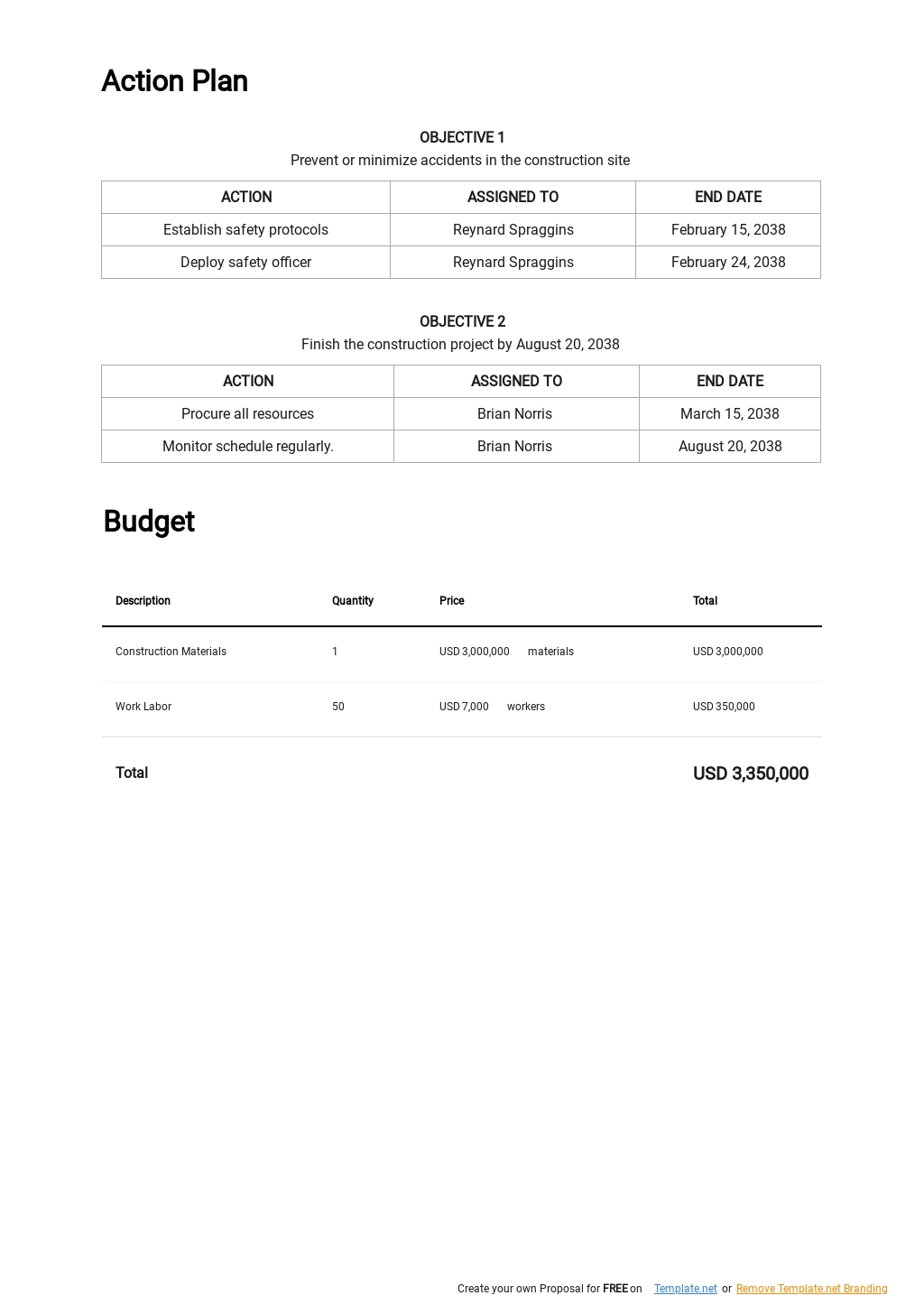 1024×1446 construction project work plan template google docs word templatenet from www.template.net
  862×614 construction project outline template sampletemplatess from www.sampletemplatess.com
 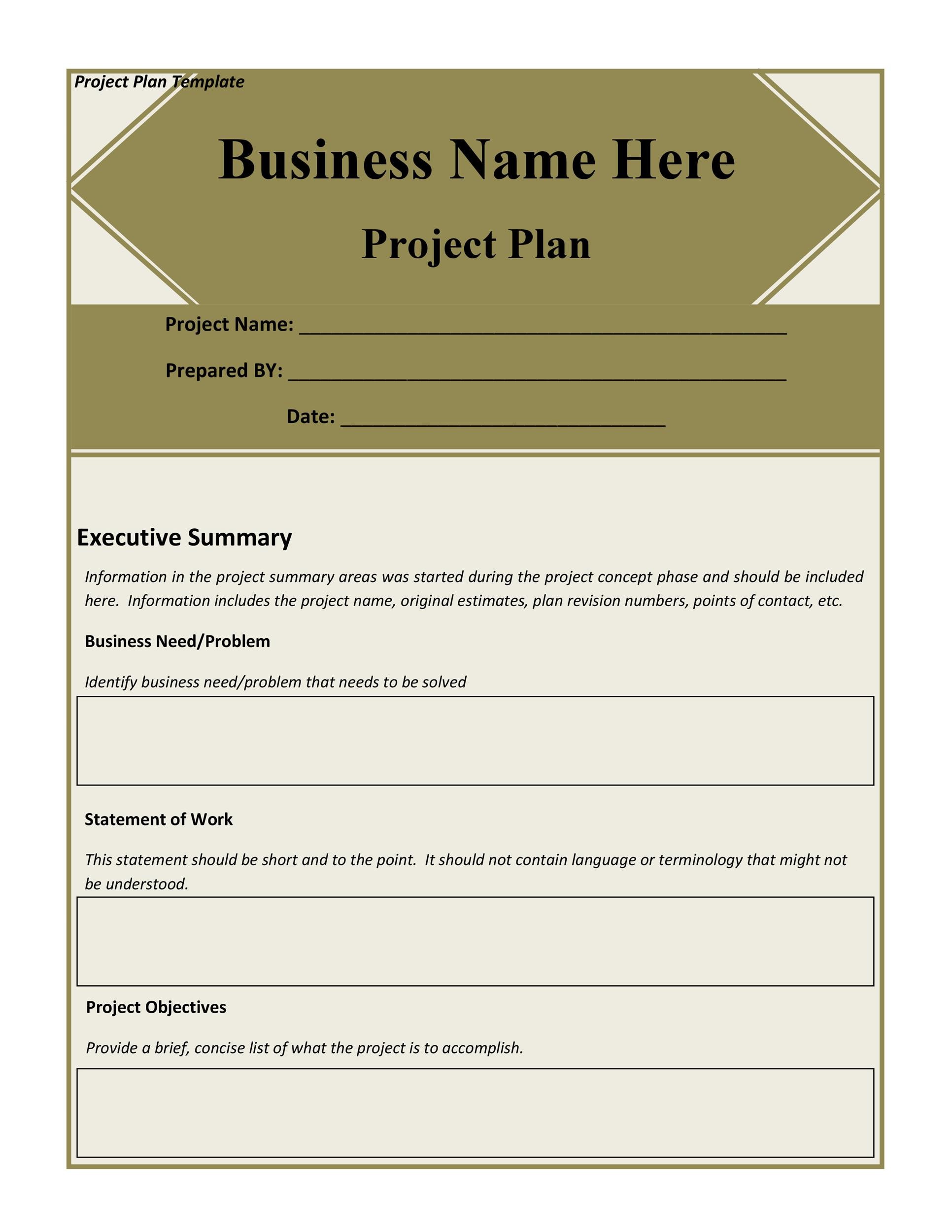 1932×2500 professional project plan templates excel word templatelab from templatelab.com
  990×765 construction project template heritagechristiancollege from www.heritagechristiancollege.com



Project Plan Template For Construction :
Project Plan Template For Construction was posted in August 2, 2025 at 12:47 pm. If you wanna have it as yours, please click the Pictures and you will go to click right mouse then Save Image As and Click Save and download the Project Plan Template For Construction Picture.. Don’t forget to share this picture with others via Facebook, Twitter, Pinterest or other social medias! we do hope you'll get inspired by SampleTemplates123... Thanks again! If you have any DMCA issues on this post, please contact us!