Project Plan Template For Event Planning
Project Plan Template for Event Planning
A well-structured project plan is the backbone of any successful event. It serves as a roadmap, guiding you from initial conception to post-event evaluation. This template provides a framework to organize your event planning efforts, ensuring nothing is overlooked and promoting seamless execution.
I. Event Overview & Goals
Before diving into the details, clearly define the purpose and objectives of the event.
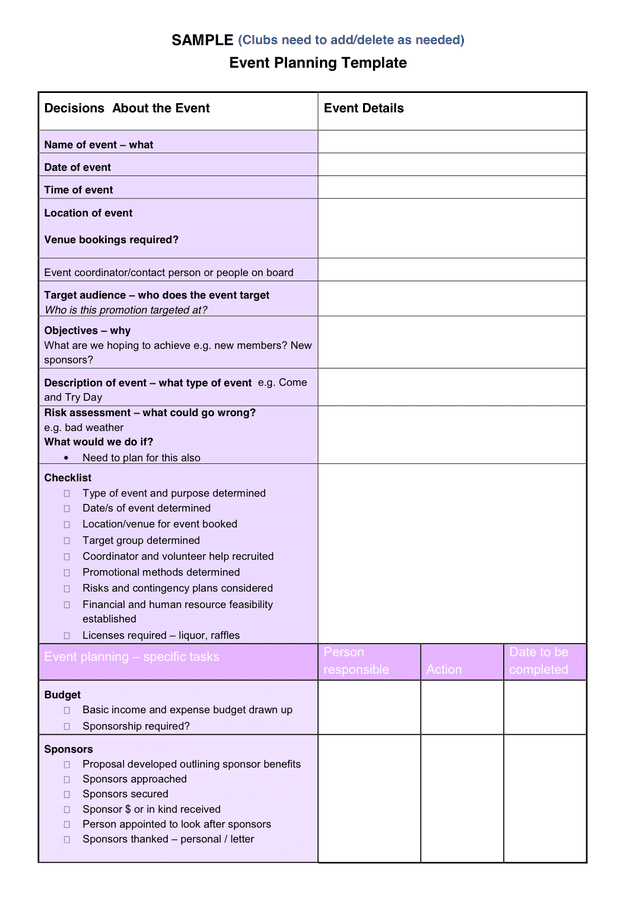
* Event Name: (e.g., Annual Charity Gala, Product Launch Conference) * Event Date & Time: (Specific date and time of the event) * Event Venue: (Location of the event, including address) * Target Audience: (Demographics, interests, and size of the audience) * Event Goals & Objectives: (Specific, measurable, achievable, relevant, and time-bound (SMART) goals. Examples: Increase brand awareness by 20%, raise $50,000 for charity, generate 100 leads.) * Event Theme (if applicable): (The overarching theme of the event to guide design and content.) * Event Budget: (The total allocated budget for the event.)
II. Scope & Deliverables
This section outlines the boundaries of the project and the tangible outputs to be produced.
* Scope Statement: (A concise description of what is included and excluded from the event. It defines the event’s limits.) * Key Deliverables: (Specific and measurable outputs. Examples: Secured venue contract, confirmed speakers, marketing campaign materials, event website, post-event report.) * Success Criteria: (The metrics used to determine if the event achieved its goals. Examples: Number of attendees, social media engagement, fundraising amount, attendee satisfaction scores.)
III. Project Team & Roles
Identify the individuals responsible for various aspects of the event.
* Project Manager: (Overall responsibility for planning and execution.) * Event Coordinator: (Assists the project manager with logistics and coordination.) * Marketing & Communications Team: (Handles promotion, PR, and social media.) * Sponsorship & Fundraising Team: (Responsible for securing sponsors and donations.) * Logistics & Operations Team: (Manages venue setup, catering, transportation, and AV.) * Volunteer Coordinator: (Recruits and manages event volunteers.) * Contact Information for Each Team Member: (Name, email, phone number, and role)
IV. Timeline & Schedule
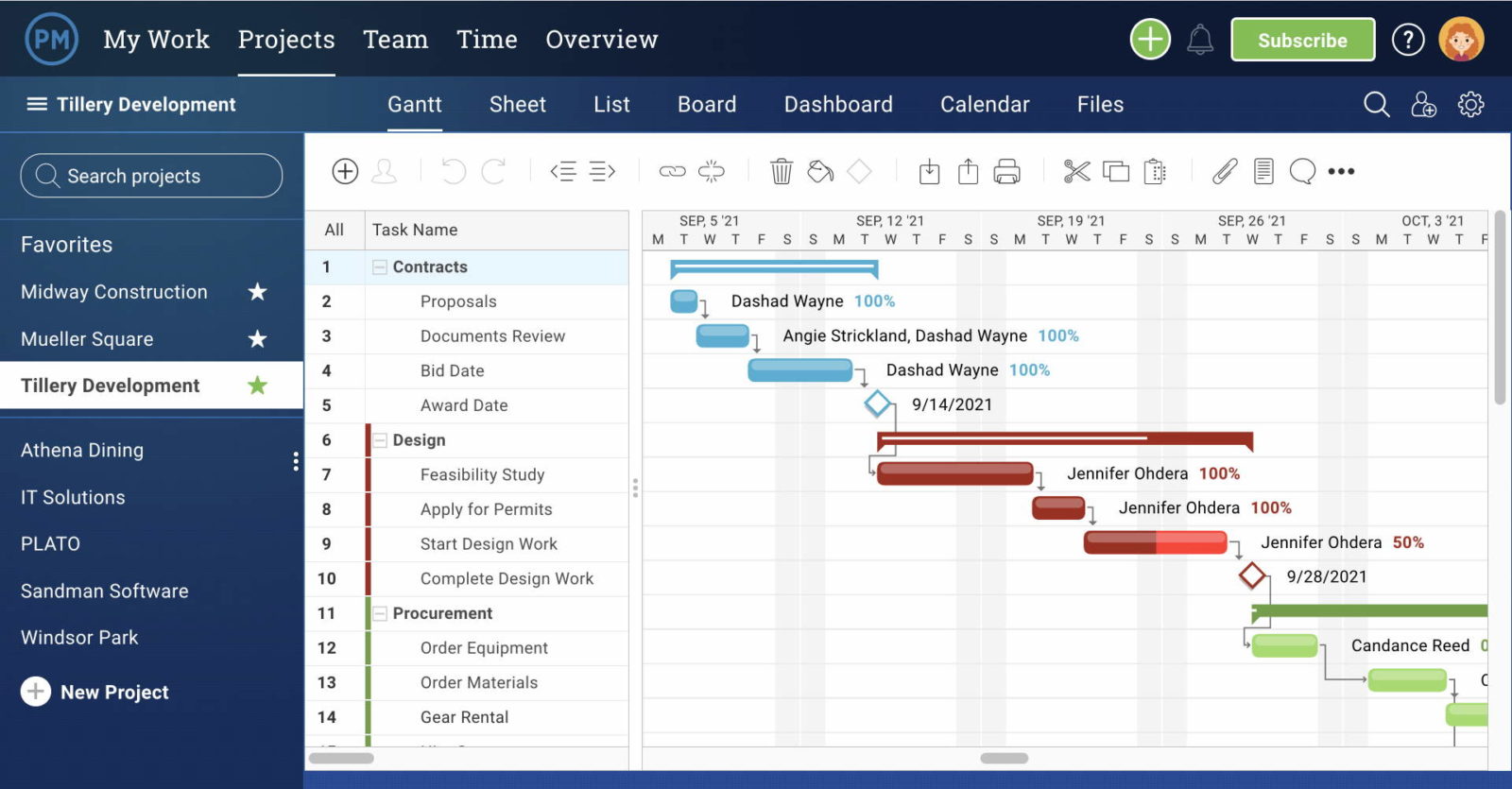
A detailed timeline is crucial for keeping the project on track. Use a Gantt chart or similar tool to visualize the schedule.
* Task List: (A comprehensive list of all tasks required to plan and execute the event. Examples: Venue selection, speaker booking, website design, marketing campaign creation, vendor negotiation.) * Task Dependencies: (Identify tasks that depend on the completion of other tasks.) * Start and End Dates for Each Task: (Realistic deadlines for each task.) * Milestones: (Significant checkpoints in the project timeline. Examples: Venue secured, speakers confirmed, marketing plan approved.) * Contingency Buffer: (Allocate extra time for unexpected delays.)
V. Budget & Resources
Detailed financial planning is essential for staying within budget.
* Revenue Streams: (Sources of income for the event. Examples: Ticket sales, sponsorships, donations.) * Expense Categories: (Categorize all anticipated expenses. Examples: Venue rental, catering, marketing, entertainment, speaker fees, insurance.) * Detailed Budget Breakdown: (A spreadsheet outlining the estimated and actual costs for each expense category.) * Contingency Fund: (A reserve fund to cover unexpected expenses.) * Resource Allocation: (Assign resources (e.g., personnel, equipment) to specific tasks.)
VI. Marketing & Promotion Plan
Outline the strategies for reaching the target audience and driving attendance.
* Marketing Objectives: (Specific goals for the marketing campaign. Examples: Increase website traffic, generate leads, boost ticket sales.) * Target Audience Segmentation: (Identify different segments within the target audience and tailor marketing messages accordingly.) * Marketing Channels: (Select appropriate channels to reach the target audience. Examples: Social media, email marketing, website, print advertising, public relations.) * Marketing Calendar: (Schedule marketing activities leading up to the event.) * Key Messages & Branding: (Develop consistent messaging and branding across all marketing materials.) * Tracking & Analytics: (Use analytics tools to monitor the performance of the marketing campaign.)
VII. Logistics & Operations Plan
Detail the logistical arrangements for the event.
* Venue Layout & Setup: (Plan the layout of the event space, including stage, seating, registration area, and vendor booths.) * Catering & Food Service: (Select catering options and manage food service arrangements.) * Audio-Visual Equipment & Support: (Arrange for necessary AV equipment and technical support.) * Transportation & Parking: (Provide transportation options or parking arrangements for attendees.) * Registration & Check-In Process: (Streamline the registration process to ensure a smooth check-in experience.) * Security & Safety Plan: (Implement security measures to ensure the safety of attendees and staff.) * Waste Management & Cleanup: (Plan for proper waste disposal and cleanup after the event.)
VIII. Risk Management Plan
Identify potential risks and develop mitigation strategies.
* Risk Identification: (Identify potential risks that could impact the event. Examples: Weather-related issues, vendor cancellations, security breaches, low attendance.) * Risk Assessment: (Evaluate the likelihood and impact of each risk.) * Risk Mitigation Strategies: (Develop strategies to reduce the likelihood or impact of each risk. Examples: Secure backup venue, obtain event insurance, develop a contingency plan for bad weather.) * Emergency Response Plan: (Develop a plan to handle emergencies, such as medical incidents or security threats.)
IX. Communication Plan
Establish clear communication channels for all stakeholders.
* Communication Channels: (Define the channels for communicating with team members, vendors, sponsors, and attendees. Examples: Email, phone, project management software, social media.) * Communication Frequency: (Establish regular communication schedules for updates and progress reports.) * Escalation Procedures: (Define the process for escalating issues or concerns.)
X. Post-Event Evaluation
Assess the success of the event and identify areas for improvement.
* Data Collection: (Gather data on attendance, feedback, and financial performance.) * Attendee Feedback Surveys: (Collect feedback from attendees to gauge their satisfaction.) * Financial Analysis: (Analyze the financial performance of the event and compare actual costs to the budget.) * Post-Event Report: (Prepare a comprehensive report summarizing the event’s successes, challenges, and lessons learned.) * Recommendations for Future Events: (Identify areas for improvement in future event planning.)
By utilizing this project plan template, you can create a comprehensive roadmap for your event, ensuring a well-organized, successful, and memorable experience for all involved.
 1554×687 event planning project management template doctemplates from doctemplates.us
  1932×2500 professional event planning checklist templates templatelab from templatelab.com
  688×925 event planning template word templatesfree word templates from www.wordstemplates.org
  1600×835 event plan template excel projectmanager from www.projectmanager.com
  636×900 event planning template documents word excel from www.dexform.com
  2800×1306 event planning template checklist teamgantt from www.teamgantt.com


Project Plan Template For Event Planning :
Project Plan Template For Event Planning was posted in August 10, 2025 at 1:56 pm. If you wanna have it as yours, please click the Pictures and you will go to click right mouse then Save Image As and Click Save and download the Project Plan Template For Event Planning Picture.. Don’t forget to share this picture with others via Facebook, Twitter, Pinterest or other social medias! we do hope you'll get inspired by SampleTemplates123... Thanks again! If you have any DMCA issues on this post, please contact us!