Self-Care Plan Template For Burnout Prevention (Free Download)
Self-Care Plan Template for Burnout Prevention (Free Download)
Burnout. The word itself evokes feelings of exhaustion, cynicism, and a diminished sense of accomplishment. It’s a prevalent issue, particularly in high-pressure environments and helping professions. But burnout isn’t inevitable. A proactive approach to self-care can be a powerful shield against its insidious creep. This article explores the importance of a self-care plan, provides a comprehensive template you can download for free, and offers practical strategies to make self-care an integral part of your life.
Understanding Burnout and Its Impact
Before diving into the self-care plan, it’s crucial to understand what burnout is and why it’s so detrimental. Burnout, as defined by the World Health Organization (WHO), is a syndrome conceptualized as resulting from chronic workplace stress that has not been successfully managed. It’s characterized by:
- Exhaustion: Feeling depleted of energy, both physically and emotionally.
- Cynicism or Detachment: Feeling negative, distant, and jaded about your work.
- Reduced Professional Efficacy: Feeling ineffective, lacking accomplishment, and questioning your abilities.
Burnout extends far beyond simple job dissatisfaction. It can manifest in various ways, including:
- Physical Symptoms: Headaches, stomach problems, sleep disturbances, weakened immune system.
- Emotional Symptoms: Irritability, anxiety, depression, feelings of helplessness.
- Behavioral Symptoms: Procrastination, social withdrawal, increased use of alcohol or drugs.
Left unchecked, burnout can significantly impact your physical and mental health, relationships, and overall quality of life. Therefore, preventing burnout is a priority, and a well-structured self-care plan is a cornerstone of that prevention.
The Power of a Proactive Self-Care Plan
A self-care plan is a personalized roadmap for prioritizing your well-being. It’s a deliberate and conscious effort to engage in activities that nourish your mind, body, and spirit. It’s not a luxury; it’s a necessity for maintaining resilience and preventing burnout. Here’s why a self-care plan is so effective:
- Increased Awareness: The process of creating a plan forces you to reflect on your needs and identify areas where you might be neglecting yourself.
- Intentional Action: It transforms good intentions into concrete actions, making it more likely that you’ll actually engage in self-care activities.
- Improved Boundaries: It helps you set healthy boundaries by clarifying what you need to thrive and empowering you to say “no” to things that drain your energy.
- Enhanced Resilience: Regularly practicing self-care builds your resilience, making you better equipped to cope with stress and challenges.
- Greater Well-being: Ultimately, a self-care plan contributes to increased happiness, contentment, and overall well-being.
Introducing the Free Self-Care Plan Template
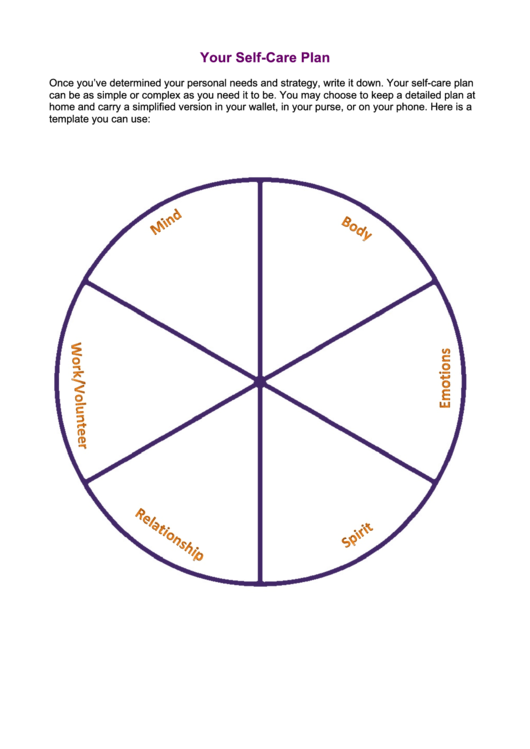
To make burnout prevention accessible, we’ve created a comprehensive and free self-care plan template. This template is designed to be flexible and adaptable to your individual needs and preferences. It’s broken down into key areas of well-being, prompting you to consider how you can nurture each aspect of your life.
(Download Link Here – Replace with actual download link)
The template typically includes the following sections:
1. Physical Well-being
This section focuses on taking care of your physical health. It encourages you to consider activities that promote physical strength, energy, and relaxation. Examples include:
- Nutrition: Planning healthy meals, staying hydrated, limiting processed foods and sugar.
- Exercise: Engaging in regular physical activity, such as walking, running, swimming, yoga, or dancing. Aim for at least 30 minutes of moderate-intensity exercise most days of the week.
- Sleep: Establishing a regular sleep schedule, creating a relaxing bedtime routine, and ensuring a comfortable sleep environment. Aim for 7-9 hours of quality sleep per night.
- Rest and Relaxation: Incorporating restorative activities into your day, such as taking breaks, stretching, or listening to calming music.
- Medical Care: Scheduling regular check-ups with your doctor, dentist, and other healthcare providers.
2. Emotional Well-being
This section focuses on nurturing your emotional health and developing coping mechanisms for managing stress and difficult emotions. Examples include:
- Mindfulness: Practicing mindfulness techniques, such as meditation or deep breathing exercises, to become more aware of your thoughts and feelings.
- Journaling: Writing down your thoughts and feelings to process emotions and gain clarity.
- Self-Compassion: Treating yourself with kindness and understanding, especially during challenging times.
- Expressing Emotions: Finding healthy ways to express your emotions, such as talking to a trusted friend, family member, or therapist.
- Setting Boundaries: Learning to say “no” to requests that drain your energy or compromise your well-being.
3. Social Well-being
This section focuses on connecting with others and building strong relationships. Social connection is essential for reducing stress, boosting mood, and fostering a sense of belonging. Examples include:
- Spending Time with Loved Ones: Making time for meaningful interactions with family and friends.
- Joining a Group or Club: Connecting with others who share your interests or hobbies.
- Volunteering: Giving back to your community and making a difference in the lives of others.
- Seeking Support: Reaching out to friends, family, or a therapist when you need help.
- Setting Boundaries in Relationships: Establishing healthy boundaries in your relationships to protect your emotional well-being.
4. Intellectual Well-being
This section focuses on stimulating your mind and expanding your knowledge. Engaging in activities that challenge your intellect can help boost creativity, improve focus, and increase your sense of purpose. Examples include:
- Reading: Reading books, articles, or blogs on topics that interest you.
- Learning a New Skill: Taking a class, learning a new language, or mastering a new hobby.
- Engaging in Creative Activities: Painting, drawing, writing, playing music, or engaging in other creative pursuits.
- Visiting Museums or Art Galleries: Exploring new ideas and perspectives.
- Playing Brain Games: Engaging in puzzles, crosswords, or other brain games to challenge your cognitive abilities.
5. Spiritual Well-being
This section focuses on connecting with something larger than yourself and finding meaning and purpose in life. Spiritual well-being can involve religious practices, but it can also encompass other activities that provide a sense of connection and belonging. Examples include:
- Meditation or Prayer: Engaging in practices that promote inner peace and connection with a higher power.
- Spending Time in Nature: Connecting with the natural world and appreciating its beauty.
- Practicing Gratitude: Focusing on the positive aspects of your life and expressing appreciation for what you have.
- Reflecting on Your Values: Identifying your core values and aligning your actions with them.
- Engaging in Acts of Kindness: Helping others and making a positive impact on the world.
Making Your Self-Care Plan Work: Practical Tips
Creating a self-care plan is just the first step. The key to preventing burnout is consistently implementing your plan and making self-care a habit. Here are some practical tips to help you succeed:
- Start Small: Don’t try to overhaul your entire life overnight. Begin by incorporating one or two small self-care activities into your routine each day.
- Schedule It In: Treat your self-care activities like important appointments and schedule them into your calendar.
- Make It Accessible: Choose activities that are easy to access and fit into your lifestyle.
- Be Flexible: Life happens, so be prepared to adjust your plan as needed. Don’t beat yourself up if you miss a day; just get back on track as soon as possible.
- Track Your Progress: Keep a record of your self-care activities to monitor your progress and stay motivated.
- Find an Accountability Partner: Share your self-care plan with a friend, family member, or therapist and ask them to support you in staying on track.
- Reward Yourself: Celebrate your successes and acknowledge your efforts.
- Be Patient: It takes time to develop new habits, so be patient with yourself and don’t give up.
When to Seek Professional Help
While a self-care plan can be incredibly helpful in preventing burnout, it’s not a substitute for professional help. If you’re experiencing persistent feelings of exhaustion, cynicism, or reduced professional efficacy, it’s important to seek help from a qualified mental health professional. A therapist can provide support, guidance, and evidence-based interventions to help you manage stress, cope with burnout, and improve your overall well-being.
Conclusion
Burnout is a serious issue that can have a profound impact on your health and well-being. However, with a proactive approach to self-care, you can significantly reduce your risk of burnout and cultivate a more balanced and fulfilling life. Download our free self-care plan template today and start prioritizing your well-being. Remember, you deserve to thrive.
 530×749 care plan template printable from www.formsbank.com
  1080×1080 create burnout prevention plan worksheet from workbrighter.co


Self-Care Plan Template For Burnout Prevention (Free Download) :
Self-Care Plan Template For Burnout Prevention (Free Download) was posted in May 25, 2025 at 1:06 pm. If you wanna have it as yours, please click the Pictures and you will go to click right mouse then Save Image As and Click Save and download the Self-Care Plan Template For Burnout Prevention (Free Download) Picture.. Don’t forget to share this picture with others via Facebook, Twitter, Pinterest or other social medias! we do hope you'll get inspired by SampleTemplates123... Thanks again! If you have any DMCA issues on this post, please contact us!