Blank Monthly Budget Worksheet Printable
Here’s an HTML formatted article about blank monthly budget worksheets: “`html
Unlock Financial Freedom: The Power of the Blank Monthly Budget Worksheet
Taking control of your finances can feel overwhelming, but it doesn’t have to be. One of the most effective tools for achieving financial stability and reaching your goals is a monthly budget. And at the heart of a good budgeting strategy is the humble, yet powerful, blank monthly budget worksheet.
Why Start with Blank? The Flexibility Factor
You might be tempted to download a pre-filled budget template, and while those can be helpful for getting an idea of common categories, a blank worksheet offers unparalleled flexibility. It allows you to tailor your budget to your *specific* financial situation, income sources, expenses, and goals. Pre-filled templates often contain categories you don’t need or miss categories that are crucial to your lifestyle. A blank slate empowers you to build a budget that truly reflects your reality.
Deconstructing the Blank Monthly Budget Worksheet: A Step-by-Step Guide
Let’s break down the key components of a blank monthly budget worksheet and how to use it effectively:
1. Income: Documenting Your Earnings
The first section of your worksheet should focus on income. This isn’t just your primary paycheck; it encompasses *all* sources of revenue. Consider these items:
- Salary/Wages: Your net income after taxes and deductions from your primary job.
- Side Hustle Income: Earnings from freelance work, part-time jobs, or online ventures.
- Investment Income: Dividends, interest, or capital gains from investments.
- Rental Income: Money received from renting out a property.
- Government Benefits: Social Security, unemployment benefits, or other government assistance programs.
- Child Support/Alimony: Recurring payments received for child support or alimony.
- Gifts: While not predictable, if you regularly receive monetary gifts, you can include a conservative estimate.
List each income source separately and record the amount you expect to receive each month. If your income varies, use a conservative estimate based on your lowest earnings in recent months. This helps prevent overspending based on potentially unreliable income.
2. Expenses: Tracking Where Your Money Goes
This is the most detailed and crucial section of your budget. Expenses represent everything you spend money on each month. To accurately capture your spending habits, break down your expenses into the following categories:
- Fixed Expenses: These are expenses that remain relatively consistent each month. Examples include:
- Rent or Mortgage Payment
- Car Payment
- Student Loan Payment
- Insurance Premiums (Health, Car, Home)
- Subscription Services (Netflix, Spotify, etc.)
- Property Taxes (if not included in mortgage)
- Variable Expenses: These expenses fluctuate from month to month. Tracking these carefully is key to identifying areas where you can save money. Examples include:
- Groceries
- Utilities (Electricity, Gas, Water)
- Transportation (Gas, Public Transit, Car Maintenance)
- Dining Out
- Entertainment
- Clothing
- Personal Care (Haircuts, Cosmetics)
- Gifts
- Medical Expenses (Co-pays, Prescriptions)
- Savings & Debt Repayment: Treat savings and debt repayment as essential expenses. Include:
- Emergency Fund Contributions
- Retirement Contributions (401k, IRA)
- Debt Payments (Credit Cards, Personal Loans) – above the minimum
- Savings for Specific Goals (Down Payment, Vacation)
For each expense category, estimate how much you typically spend each month. Review your bank statements, credit card statements, and receipts to get an accurate picture of your spending habits. Don’t be afraid to break down broad categories into smaller, more specific ones (e.g., instead of just “Groceries,” you could have “Produce,” “Meat,” “Pantry Staples,”). The more detailed you are, the better you can understand where your money is going.
3. The Calculation: Income vs. Expenses
After listing your income and expenses, it’s time to calculate the difference. Subtract your total expenses from your total income. The result will be one of three things:
- Surplus: Your income exceeds your expenses. This is ideal! You can allocate the surplus to savings, debt repayment, or other financial goals.
- Deficit: Your expenses exceed your income. This requires immediate attention. You’ll need to identify areas where you can reduce spending or increase income.
- Balanced: Your income equals your expenses. While this might seem okay, it means you’re not making progress towards your financial goals. Aim for a surplus, even if it’s small.
4. Adjustments and Tracking: The Ongoing Process
Your initial budget is just a starting point. The real power of budgeting comes from tracking your actual spending and making adjustments as needed. At the end of each week (or month), compare your estimated expenses to your actual expenses. Did you overspend in any categories? Were you able to save more than you anticipated? Use this information to refine your budget for the following month.
There are several methods for tracking your spending:
- Manual Tracking: Keep a notebook or spreadsheet to record every transaction.
- Budgeting Apps: Use a budgeting app like Mint, YNAB (You Need a Budget), or Personal Capital to automatically track your spending and categorize transactions.
- Bank Statements: Review your bank and credit card statements to identify where your money is going.
Benefits of Using a Blank Monthly Budget Worksheet
Using a blank monthly budget worksheet offers numerous benefits:
- Increased Awareness: You gain a clear understanding of your income, expenses, and spending habits.
- Financial Control: You take control of your finances instead of letting your money control you.
- Goal Setting: You can prioritize your spending and allocate resources towards your financial goals (e.g., saving for a down payment, paying off debt, investing).
- Reduced Stress: Knowing where your money is going can alleviate financial anxiety and stress.
- Improved Savings: You can identify areas where you can cut back on spending and increase your savings rate.
- Debt Management: You can create a plan to pay off debt faster and avoid accumulating more debt.
- Better Decision-Making: You can make more informed financial decisions based on your budget and financial goals.
Tips for Creating a Successful Budget
Here are some tips to help you create a budget that works for you:
- Be Realistic: Don’t create a budget that’s too restrictive or unrealistic. You’re more likely to stick with a budget that allows for some flexibility and enjoyment.
- Prioritize Your Needs: Focus on covering your essential needs (housing, food, transportation) before allocating money to wants.
- Automate Savings: Set up automatic transfers from your checking account to your savings account to ensure you’re consistently saving money.
- Review Regularly: Review your budget at least once a month to make sure it’s still aligned with your financial goals and spending habits.
- Be Patient: It takes time to develop good budgeting habits. Don’t get discouraged if you don’t see results immediately.
- Don’t Be Afraid to Adjust: Your budget is not set in stone. Be prepared to make adjustments as your circumstances change.
- Find a Budgeting Method That Works for You: Experiment with different budgeting methods (e.g., 50/30/20 rule, zero-based budgeting) to find one that fits your personality and lifestyle.
Where to Find Printable Blank Monthly Budget Worksheets
You can easily find printable blank monthly budget worksheets online. A simple Google search for “blank monthly budget worksheet printable” will yield numerous options. Look for worksheets that include sections for income, expenses (fixed and variable), and a calculation area. Choose a format that’s easy to understand and use. Many personal finance websites and blogs also offer free printable budgeting worksheets.
Conclusion: Embrace the Blank Page, Embrace Financial Empowerment
A blank monthly budget worksheet is more than just a piece of paper; it’s a tool for taking control of your financial future. By embracing the blank page and creating a budget that reflects your unique circumstances, you can gain a clear understanding of your finances, make informed decisions, and achieve your financial goals. Start today and experience the power of budgeting!
“`
 728×782 blank monthly budget worksheet future pinterest budgeting from free-printablehq.com
  600×776 images printable monthly budget spreadsheet blank monthly from www.printablee.com
  600×776 images blank printable monthly budget worksheet from www.printablee.com
  780×1024 blank budget worksheet printable room surfcom from uroomsurf.com
  1275×1650 images budget worksheet monthly bill blank monthly budget from www.worksheeto.com
  1275×1650 images monthly budget printable template printable from www.printablee.com
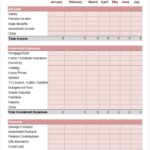


Blank Monthly Budget Worksheet Printable :
Blank Monthly Budget Worksheet Printable was posted in January 18, 2026 at 4:35 am. If you wanna have it as yours, please click the Pictures and you will go to click right mouse then Save Image As and Click Save and download the Blank Monthly Budget Worksheet Printable Picture.. Don’t forget to share this picture with others via Facebook, Twitter, Pinterest or other social medias! we do hope you'll get inspired by SampleTemplates123... Thanks again! If you have any DMCA issues on this post, please contact us!
Related For Blank Monthly Budget Worksheet Printable
Appliance Replacement Budget Planne
Facing the prospect of replacing aging appliances can be
Free Budget Template for Software D
Free Budget Template for Software Development PDF Blank Football
Sample Home Budget Template PDF For
Sample Home Budget Template PDF Format printable australia google