Family Vacation Budget Worksheet
Okay, here’s content on a family vacation budget worksheet, formatted in HTML, aiming for around 1000 words, and focusing on clarity and practical application:
Planning a family vacation is exciting, but the financial aspect can often feel overwhelming. Creating a detailed budget before you book flights and hotels is crucial. A family vacation budget worksheet is your best friend in this process. It allows you to anticipate expenses, track spending, and avoid unpleasant surprises that could derail your dream trip.
Why Use a Budget Worksheet?
- Prevent Overspending: Knowing where your money is going helps you stay within your means.
- Prioritize Spending: Identify areas where you can cut back to allocate funds to more important aspects of your vacation.
- Reduce Stress: A clear budget provides peace of mind and reduces financial anxiety while you’re away.
- Involve the Family: Collaborate on the budget to make everyone feel invested in the trip’s success. Kids can even help find deals!
- Plan for Unexpected Costs: Life happens. A good budget includes a contingency fund for unforeseen expenses.
Key Components of a Family Vacation Budget Worksheet
A comprehensive worksheet should cover all potential expenses. Here’s a breakdown of the essential categories:
1. Transportation
This is often the largest expense. Consider all modes of transport:
- Flights: Research prices using flight comparison websites (Google Flights, Kayak, Skyscanner). Be flexible with dates and airports to find better deals. Factor in baggage fees!
- Gas/Mileage: If driving, estimate the distance and calculate fuel costs. Use online tools that estimate gas consumption based on your car’s make and model. Don’t forget toll costs.
- Rental Car: Compare rental car companies and insurance options. Factor in parking fees at your destination.
- Public Transportation: Research subway, bus, and train fares at your destination. Consider purchasing a travel pass if you plan to use public transport frequently.
- Airport Transfers: Account for transportation from the airport to your accommodation (taxis, ride-sharing services, shuttle buses).
2. Accommodation
Options range from budget-friendly to luxurious. Research thoroughly!
- Hotel: Compare prices on booking websites (Booking.com, Expedia, Hotels.com). Look for deals, discounts, and free breakfast. Read reviews to ensure the hotel meets your needs.
- Vacation Rental: Platforms like Airbnb and VRBO offer houses and apartments. This can be more cost-effective for larger families or longer stays. Consider cleaning fees and security deposits.
- Camping: If you’re adventurous, camping can be a very affordable option. Factor in campsite fees and the cost of camping equipment (if you don’t already own it).
- Hostel: Shared rooms can significantly reduce accommodation costs, especially for budget travelers.
3. Food and Drink
Eating out can quickly drain your budget. Plan ahead to save money.
- Restaurants: Estimate the cost per meal, including drinks and tips. Look for restaurants with kids’ menus or early bird specials.
- Groceries: Buying groceries and cooking some meals can save a lot of money. Plan your meals and create a shopping list to avoid impulse purchases.
- Snacks and Drinks: Pack snacks and drinks to avoid buying them at tourist traps or convenience stores.
- Alcohol: If you plan to consume alcohol, factor in the cost of drinks at bars or restaurants. Consider buying alcohol at a grocery store to save money.
4. Activities and Entertainment
This is where the fun happens! Research attractions and entertainment options in advance.
- Attractions: Research entrance fees for museums, theme parks, historical sites, and other attractions. Look for discounts or combination tickets.
- Tours: Consider guided tours to learn more about your destination. Compare prices and read reviews.
- Entertainment: Factor in the cost of movies, concerts, shows, and other entertainment options.
- Free Activities: Take advantage of free activities such as hiking, visiting parks, or exploring local markets.
- Souvenirs: Set a budget for souvenirs and avoid overspending on impulse purchases.
5. Travel Insurance
Protect your investment and health with travel insurance.
- Trip Cancellation/Interruption Insurance: Covers non-refundable expenses if you have to cancel or interrupt your trip due to unforeseen circumstances.
- Medical Insurance: Covers medical expenses if you get sick or injured while traveling.
- Baggage Insurance: Covers lost or stolen luggage.
6. Miscellaneous Expenses
Don’t forget these often-overlooked costs:
- Visa and Passport Fees: If traveling internationally, ensure your passports are valid and factor in the cost of visas.
- Vaccinations: Some countries require vaccinations for entry.
- Pet Care: If you’re leaving pets behind, factor in the cost of boarding or pet-sitting.
- Laundry: If you’re traveling for a long period, you may need to do laundry.
- Tips: Budget for tips for services such as housekeeping, bellhops, and tour guides.
- Data Roaming/International Calls: Avoid exorbitant charges by purchasing an international data plan or using Wi-Fi.
- Parking Fees and Tolls (if driving): Research typical parking rates at your destination.
- Emergency Fund: Set aside a contingency fund for unexpected expenses such as medical emergencies, flight delays, or lost luggage. A good rule of thumb is to allocate 10-15% of your total budget for this.
Creating Your Worksheet
You can use a spreadsheet program like Excel or Google Sheets to create your budget worksheet. Here’s a suggested layout:
| Category | Item | Estimated Cost | Actual Cost | Notes |
|---|---|---|---|---|
| Transportation | Flights | $XXX | $XXX | Airline, flight numbers, baggage fees |
| Transportation | Rental Car | $XXX | $XXX | Company, insurance, parking fees |
| Accommodation | Hotel | $XXX | $XXX | Hotel name, dates of stay |
| Food and Drink | Restaurants | $XXX | $XXX | Estimated cost per meal, restaurant names |
| … | … | … | … | … |
| Total Estimated Cost: | $XXX | |||
| Total Actual Cost: | $XXX | |||
| Difference: | $XXX | (Actual – Estimated) | ||
Tips for Using Your Worksheet:
- Be Realistic: Don’t underestimate costs. It’s better to overestimate than underestimate.
- Research Prices: Use online tools to research prices for flights, hotels, and activities.
- Update Regularly: Track your spending as you book flights, hotels, and activities.
- Review and Adjust: Regularly review your budget and make adjustments as needed.
- Utilize Budgeting Apps: Apps like Mint, YNAB (You Need a Budget), and Personal Capital can help you track your spending and stay on budget.
Sample Scenarios & Cost-Cutting Strategies
Scenario 1: Road Trip vs. Flying. Calculate the cost of gas, tolls, and potential overnight stays for a road trip versus the cost of flights for the entire family. Factor in the value of your time. Which is more cost-effective and time-efficient?
Scenario 2: Eating Out vs. Cooking. Create a plan to cook simple meals in your accommodation to reduce restaurant expenses. Pack lunches for day trips instead of buying food on the go.
Cost-Cutting Strategies:
- Travel During the Off-Season: Prices for flights and accommodation are often lower during the off-season.
- Look for Free Activities: Many cities offer free museums, parks, and walking tours.
- Use Credit Card Rewards: Redeem credit card rewards points for flights, hotels, or other travel expenses.
- Consider Alternative Accommodations: Vacation rentals, hostels, or camping can be more affordable than hotels.
- Pack Light: Avoid baggage fees by packing light and using a carry-on bag.
- Bring Your Own Water Bottle: Refill your water bottle instead of buying bottled water.
- Utilize Free Breakfasts: When booking accommodation, look for options that include free breakfast.
- Search for Package Deals: Bundling flights, hotels, and activities can sometimes save you money.
By using a family vacation budget worksheet and following these tips, you can plan a memorable trip without breaking the bank. Remember, the goal is to enjoy quality time together without stressing about finances. Happy travels!
 1275×1650 vacation expense spreadsheet printable travel db excelcom from db-excel.com
  700×906 create travel budget vacation cost worksheet from stuffedsuitcase.com
  390×505 vacation budget examples from www.examples.com
 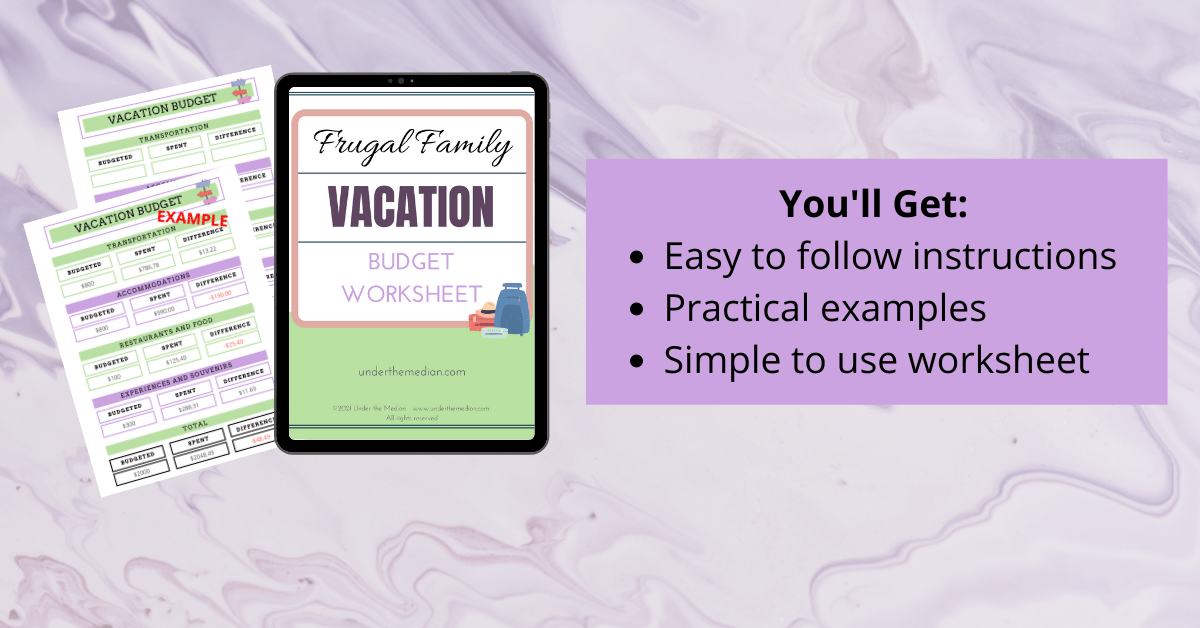 1200×628 vacation budget worksheet median from underthemedian.com
  687×900 easy ways save money family vacation printable family from blog.ashleypichea.com
  640×960 planning family vacation budget gorgeous life from www.gorgeouslifeblog.com


Family Vacation Budget Worksheet :
Family Vacation Budget Worksheet was posted in November 4, 2025 at 6:01 am. If you wanna have it as yours, please click the Pictures and you will go to click right mouse then Save Image As and Click Save and download the Family Vacation Budget Worksheet Picture.. Don’t forget to share this picture with others via Facebook, Twitter, Pinterest or other social medias! we do hope you'll get inspired by SampleTemplates123... Thanks again! If you have any DMCA issues on this post, please contact us!
Related For Family Vacation Budget Worksheet
Newlywed Budget Planning Worksheet
Newlywed Budget Planning Worksheet Newlywed Budget Planning Worksheet: Building
Your Sample Vacation Budget PDF Dow
Your Sample Vacation Budget PDF Download Blank Certificate TemplateFitness And Gym Budget Tracker
Fitness and Gym Budget Tracker Fitness and Gym Budget