First Apartment Budget Checklist
Here’s an HTML-formatted guide to creating a first apartment budget checklist, aiming for around 1000 words. “`html
First Apartment Budget Checklist: A Comprehensive Guide
Moving into your first apartment is a major milestone, signaling independence and a new chapter. However, it also comes with significant financial responsibilities. Creating a detailed budget is crucial to avoid overspending, manage your money effectively, and ensure a smooth transition into apartment life. This checklist will guide you through the essential components of your first apartment budget.
I. Upfront Costs: The Initial Investment
These costs are typically one-time expenses you’ll incur before or shortly after moving in. It’s wise to save diligently for these, as they can quickly add up.
A. Security Deposit
Almost all landlords require a security deposit to cover potential damages beyond normal wear and tear. The amount can vary, but it’s often equivalent to one or two months’ rent. Factor this into your upfront savings. Research local laws, as some jurisdictions limit the maximum security deposit a landlord can charge.
B. First Month’s Rent
Self-explanatory but often overlooked when calculating total upfront costs. Remember that many apartments require both the security deposit and first month’s rent upfront.
C. Last Month’s Rent (Potentially)
Some landlords require last month’s rent in advance. This is separate from the security deposit and is specifically for covering the final month of your tenancy.
D. Application Fees
Landlords often charge application fees to cover the cost of background checks and credit reports. These are typically non-refundable, so factor in multiple application fees if you’re applying to several apartments.
E. Moving Expenses
Moving can be surprisingly expensive. Consider the following moving-related costs:
- Moving Company: Professional movers can be costly, but they save you time and physical labor. Get multiple quotes and compare prices.
- Rental Truck: Renting a truck for a DIY move is cheaper, but involves more work. Factor in the cost of the truck, mileage, gas, and insurance.
- Moving Supplies: Boxes, tape, packing peanuts, bubble wrap, and furniture pads are essential. Look for free boxes at grocery stores or online marketplaces.
- Labor: If you’re enlisting friends, consider offering them compensation in the form of food, drinks, or a small payment.
F. Utilities Connection Fees
Setting up utilities like electricity, gas, water, and internet may involve connection fees. Contact each utility provider in advance to understand their fees and schedule connections before your move-in date.
G. Furniture and Household Items
Unless your apartment is furnished, you’ll need to acquire furniture and household essentials. Prioritize necessities like a bed, sofa, table, and basic kitchenware. Consider buying used furniture to save money. Thrift stores, online marketplaces (Facebook Marketplace, Craigslist), and consignment shops are great resources.
H. Renters Insurance
Renters insurance protects your personal belongings from theft, fire, and other covered perils. It’s often required by landlords and is relatively inexpensive. Shop around for quotes and compare coverage options.
II. Recurring Monthly Expenses: The Ongoing Obligations
These are the expenses you’ll pay regularly, typically monthly. Accurate estimation is key to creating a sustainable budget.
A. Rent
Your rent is likely your largest monthly expense. Set a realistic budget based on your income and research average rental prices in your desired area. Aim for rent that is no more than 30% of your gross (pre-tax) income. Consider your lifestyle and other financial obligations before committing to a higher rent.
B. Utilities
Utilities can vary significantly depending on your location, apartment size, and usage habits. Estimate your monthly utility costs by:
- Contacting the utility companies: Ask about average monthly bills for similar apartments in the building or area.
- Checking online resources: Some websites provide average utility costs based on location and apartment size.
- Asking current tenants: If possible, ask current tenants about their utility bills.
Common utilities include electricity, gas, water, trash, and sewer.
C. Internet and Cable/Streaming Services
Choose an internet plan that meets your needs and budget. Explore different providers and compare prices. Consider whether you need cable TV or if streaming services are sufficient. Bundling internet and cable can sometimes save money.
D. Transportation
Factor in transportation costs, whether you own a car or rely on public transportation.
- Car Owners: Gas, insurance, maintenance, repairs, parking, and registration fees.
- Public Transportation: Monthly passes or individual fares for buses, trains, or subways.
E. Groceries
Plan your meals and create a grocery list to avoid impulse purchases and food waste. Shop at discount grocery stores and take advantage of sales and coupons. Learn to cook simple, healthy meals at home to save money on dining out.
F. Eating Out/Takeout
Limit your dining out and takeout expenses. These costs can quickly add up and derail your budget. Set a realistic budget for eating out and stick to it.
G. Personal Care and Household Supplies
Toiletries, cleaning supplies, laundry detergent, and other personal care items are essential. Buy in bulk when possible to save money.
H. Phone Bill
Factor in your monthly phone bill. Consider prepaid plans or family plans to reduce costs.
I. Entertainment
Set a budget for entertainment, such as movies, concerts, and social activities. Look for free or discounted entertainment options, such as free museum days, outdoor concerts, and community events.
J. Clothing
Allocate a portion of your budget for clothing purchases. Shop at thrift stores or consignment shops to save money.
K. Debt Payments
If you have student loans, credit card debt, or other debts, factor in your monthly payments. Prioritize paying down high-interest debt to save money in the long run.
L. Subscriptions
List all subscriptions (e.g., streaming services, magazines, gym memberships) and calculate their monthly cost. Cancel any subscriptions you don’t use regularly.
M. Pet Expenses (If Applicable)
If you have a pet, factor in the cost of food, vet care, toys, and other pet supplies. Pet rent or pet fees may also apply.
III. Unexpected Expenses: The Emergency Fund
Life is unpredictable. An emergency fund is crucial to cover unexpected expenses without derailing your budget or going into debt. Aim to save at least 3-6 months’ worth of living expenses in an emergency fund.
A. Medical Expenses
Even with health insurance, you may incur unexpected medical expenses, such as copays, deductibles, and prescription costs.
B. Car Repairs
Car repairs can be costly. Set aside money each month for potential repairs.
C. Apartment Repairs
While your landlord is responsible for major repairs, you may be responsible for minor repairs, such as replacing light bulbs or unclogging drains. You may also be liable for damage you cause.
D. Job Loss
Losing your job can be financially devastating. An emergency fund can provide a cushion while you search for a new job.
IV. Budgeting Tools and Tips
Numerous budgeting tools and tips can help you create and stick to your budget.
A. Budgeting Apps
Mint, YNAB (You Need a Budget), Personal Capital, and PocketGuard are popular budgeting apps that can help you track your income and expenses.
B. Spreadsheets
Create a simple spreadsheet using Excel or Google Sheets to track your income and expenses.
C. The 50/30/20 Rule
Allocate 50% of your income to needs, 30% to wants, and 20% to savings and debt repayment.
D. Track Your Spending
Keep track of your spending for a month or two to identify areas where you can cut back.
E. Set Financial Goals
Set financial goals, such as saving for a down payment on a house or paying off debt, to stay motivated and on track.
F. Review Your Budget Regularly
Review your budget at least once a month and make adjustments as needed. Life circumstances change, and your budget should adapt accordingly.
V. Checklist Summary
Use this checklist to ensure you’ve considered all aspects of your first apartment budget:
- Calculate total upfront costs (security deposit, first month’s rent, etc.).
- Estimate recurring monthly expenses (rent, utilities, transportation, etc.).
- Establish an emergency fund for unexpected expenses.
- Choose a budgeting tool or method that works for you.
- Track your spending to identify areas for improvement.
- Set financial goals to stay motivated.
- Review and adjust your budget regularly.
Moving into your first apartment is an exciting adventure. By creating a detailed budget and managing your money wisely, you can enjoy your newfound independence and avoid financial stress. Good luck!
“`
 940×788 apartment budget checklist budgets easy from www.budgetsmadeeasy.com
  1187×1536 apartment checklist raising teens today from raisingteenstoday.com
  1024×683 apartment checklist from bysophialee.com
  2560×1440 apartment budget worksheet move from bysophialee.com
  900×1273 apartment checklist business mentor from westernmotodrags.com
 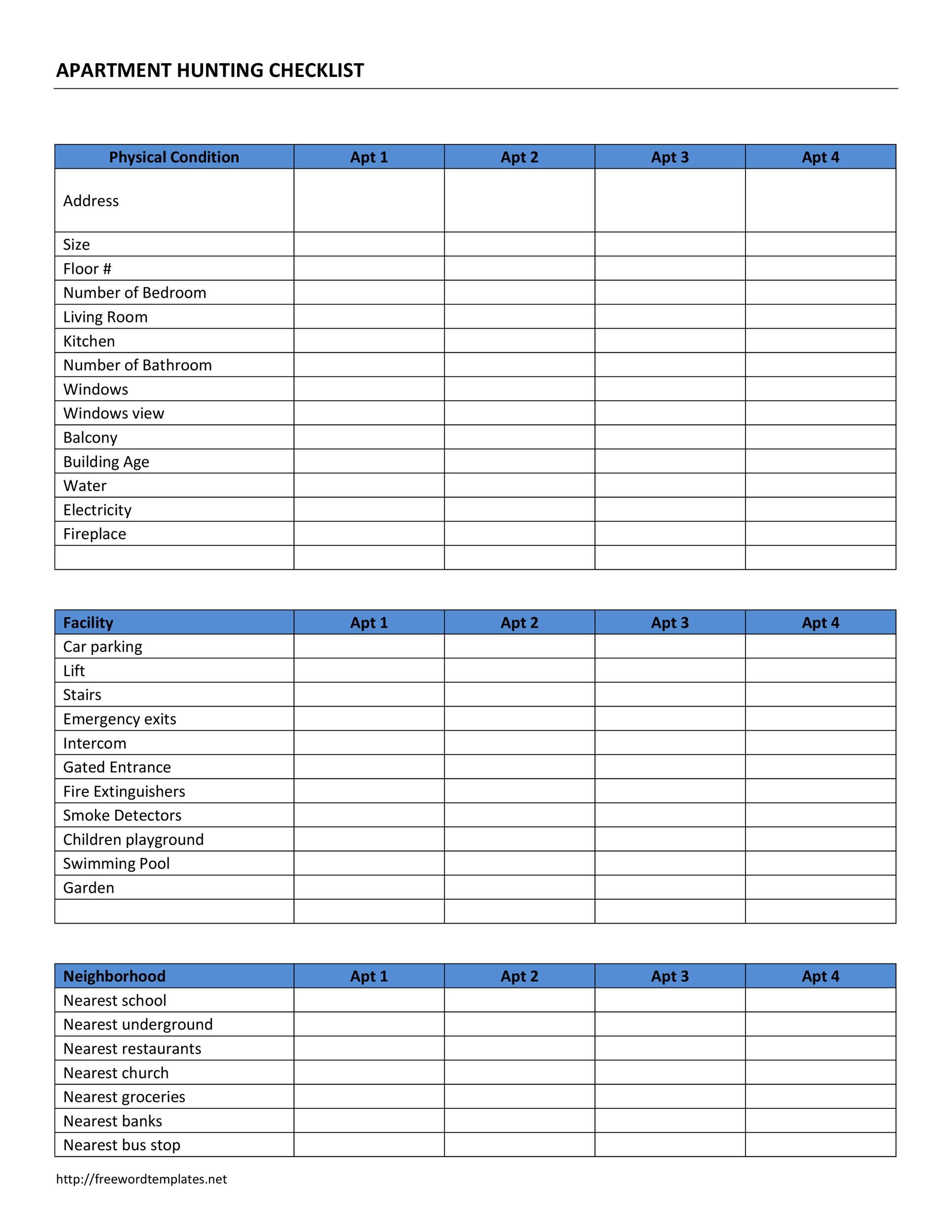 1932×2500 apartment checklist essential templates templatelab from templatelab.com


First Apartment Budget Checklist :
First Apartment Budget Checklist was posted in October 19, 2025 at 6:28 am. If you wanna have it as yours, please click the Pictures and you will go to click right mouse then Save Image As and Click Save and download the First Apartment Budget Checklist Picture.. Don’t forget to share this picture with others via Facebook, Twitter, Pinterest or other social medias! we do hope you'll get inspired by SampleTemplates123... Thanks again! If you have any DMCA issues on this post, please contact us!
Related For First Apartment Budget Checklist
Savings Goal Budget Planner Spreads
Savings Goal Budget Planner Spreadsheet Savings Goal Budget Planner
Sample Construction Project Budget
Sample Construction Project Budget Template PDF Organ Procurement Flowchart