FIRE (financial Independence) Budget Template
Okay, here’s an HTML formatted explanation of a FIRE (Financial Independence, Retire Early) budget template, focusing on its key components and usage. “`html
The FIRE Budget Template: Your Roadmap to Financial Independence
The journey to Financial Independence, Retire Early (FIRE) is paved with meticulous planning and disciplined execution. A robust budget template is your navigation system, guiding you towards your financial destination. This document explains the critical elements of a FIRE budget template, its benefits, and how to tailor it to your specific circumstances.
What is a FIRE Budget Template?
Unlike a traditional budget that primarily focuses on tracking income and expenses, a FIRE budget template is designed with the ultimate goal of maximizing savings and investments to achieve financial independence. It’s a dynamic tool that incorporates elements like projected retirement expenses, investment returns, and withdrawal strategies to ensure long-term sustainability.
Key Components of a FIRE Budget Template
A comprehensive FIRE budget template typically includes the following sections:
1. Income Tracking
This section meticulously tracks all sources of income. This is more than just your salary. Consider including:
- Salary/Wages: Your primary source of income. Include net pay after taxes and deductions.
- Side Hustle Income: Income from freelance work, part-time jobs, or entrepreneurial ventures.
- Investment Income: Dividends, interest, and capital gains from your investments.
- Rental Income: Income from rental properties (after deducting property-related expenses).
- Other Income: Any other income sources, such as royalties, alimony, or social security benefits.
Accuracy is paramount here. Underestimating your income can skew your projections and delay your FIRE journey.
2. Expense Tracking
This section is the heart of your budget, detailing every penny spent. Categorize expenses to identify areas for potential reduction. Common categories include:
- Housing: Rent/Mortgage, property taxes, homeowner’s insurance, maintenance, utilities (electricity, gas, water, internet).
- Transportation: Car payments, insurance, gas, maintenance, public transportation fares.
- Food: Groceries, dining out, coffee.
- Healthcare: Health insurance premiums, medical bills, prescriptions.
- Personal Care: Haircuts, toiletries, gym memberships.
- Entertainment: Movies, concerts, hobbies, travel.
- Debt Payments: Credit card debt, student loans, personal loans.
- Insurance: Life insurance, disability insurance, other insurance policies.
- Taxes: Estimated taxes not withheld from your paycheck.
- Miscellaneous: Subscriptions, gifts, donations, unexpected expenses.
Use budgeting apps, spreadsheets, or manual tracking methods to meticulously record your expenses. Regularly review your spending habits and identify areas where you can cut back without sacrificing your quality of life. Consider the “needs vs. wants” framework.
3. Savings and Investment Tracking
This section tracks the amount you allocate to savings and investments. Key elements include:
- Retirement Contributions: Contributions to 401(k), IRA, Roth IRA, or other retirement accounts. Maximize employer matching contributions first.
- Taxable Investments: Investments held in brokerage accounts.
- Emergency Fund: Funds set aside for unexpected expenses (typically 3-6 months of living expenses).
- Real Estate Investments: Down payments, mortgage payments (already included in housing, but track the principal portion separately), and other real estate-related investments.
- Other Investments: Cryptocurrency, peer-to-peer lending, etc.
The higher the savings rate, the faster you’ll reach FIRE. Experiment with different savings percentages to see how they impact your projected retirement date.
4. Financial Independence Target
This is where you define your “FIRE number” – the amount of money you need to accumulate to retire comfortably. This is calculated using the 4% rule (or a similar withdrawal rate) applied to your estimated annual retirement expenses.
- Annual Retirement Expenses: Estimate your annual living expenses in retirement. Consider factors like inflation, healthcare costs, and travel plans. This will likely be lower than your current expenses, as you hopefully will have paid off your mortgage and won’t have work related expenses.
- FIRE Number Calculation: Divide your annual retirement expenses by your desired withdrawal rate (e.g., 4%). Example: $40,000 / 0.04 = $1,000,000.
Your FIRE number is not set in stone. Regularly review and adjust it based on changes in your circumstances and market conditions.
5. Projection and Simulation
This is arguably the most crucial section. It uses your income, expenses, savings rate, and investment returns to project your progress towards your FIRE number. Use a spreadsheet or financial planning software to:
- Project Investment Growth: Estimate the future value of your investments based on assumed rates of return. Be conservative with your estimates.
- Simulate Different Scenarios: Test the impact of different savings rates, investment returns, and withdrawal rates on your retirement date. Monte Carlo simulations can be particularly helpful.
- Track Progress: Monitor your progress towards your FIRE number and adjust your strategy as needed.
Regularly updating your projections will help you stay on track and make informed decisions about your finances.
Benefits of Using a FIRE Budget Template
- Clarity and Control: Provides a clear overview of your financial situation and empowers you to take control of your finances.
- Goal Setting and Motivation: Helps you define your FIRE goals and provides motivation to achieve them.
- Savings Optimization: Identifies areas where you can cut expenses and increase savings.
- Informed Decision-Making: Provides data-driven insights for making informed financial decisions.
- Early Retirement Planning: Facilitates planning for early retirement and ensures long-term financial sustainability.
Tailoring Your FIRE Budget Template
A generic template is a good starting point, but you need to tailor it to your specific circumstances. Consider the following:
- Customize Expense Categories: Add or remove expense categories to reflect your unique spending patterns.
- Adjust Investment Assumptions: Use realistic investment return assumptions based on your risk tolerance and investment strategy.
- Incorporate Tax Considerations: Account for the impact of taxes on your income, investments, and retirement withdrawals.
- Consider Lifestyle Changes: Factor in any planned lifestyle changes, such as relocation, career changes, or family planning.
- Revisit Regularly: Update your budget template regularly (at least monthly) to reflect changes in your income, expenses, and financial goals.
Tools and Resources
Several tools and resources can help you create and manage your FIRE budget template:
- Spreadsheets (Google Sheets, Microsoft Excel): Flexible and customizable options for creating your own budget template.
- Budgeting Apps (Mint, YNAB, Personal Capital): Automated tracking and reporting features. Some are specifically designed for FIRE.
- Financial Planning Software (ProjectionLab, NewRetirement): Comprehensive tools for retirement planning and simulation.
- Online FIRE Communities (Reddit’s r/financialindependence): Connect with other FIRE enthusiasts and learn from their experiences.
Conclusion
A well-designed FIRE budget template is an indispensable tool for achieving financial independence and retiring early. By meticulously tracking your income and expenses, setting clear financial goals, and regularly reviewing your progress, you can pave the way to a secure and fulfilling early retirement.
“`
 600×730 fire department budget template template creator from hairfad.com
  750×900 volunteer fire department budget template from dremelmicro.com
  768×1088 fire department budget template excel dremelmicro from dremelmicro.com
 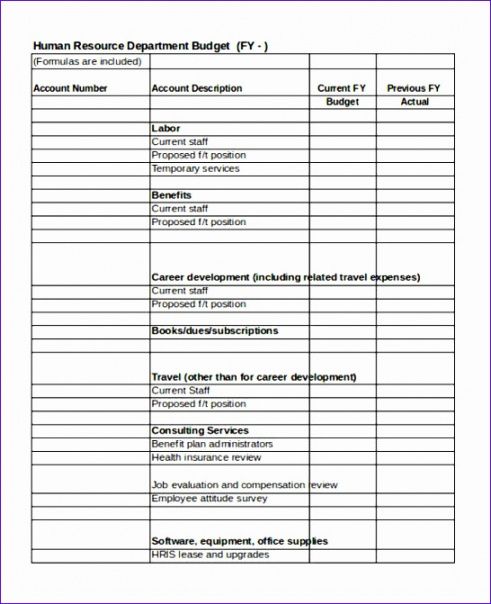 491×604 fire department budget template dremelmicro from dremelmicro.com
  1085×1536 costum fire department budget template excel dremelmicro from dremelmicro.com
  1275×1650 department budget spreadsheet pertaining fire department budget from db-excel.com
  532×354 basics fire financial independence retire early young adult money from www.youngadultmoney.com


FIRE (financial Independence) Budget Template :
FIRE (financial Independence) Budget Template was posted in December 10, 2025 at 8:36 pm. If you wanna have it as yours, please click the Pictures and you will go to click right mouse then Save Image As and Click Save and download the FIRE (financial Independence) Budget Template Picture.. Don’t forget to share this picture with others via Facebook, Twitter, Pinterest or other social medias! we do hope you'll get inspired by SampleTemplates123... Thanks again! If you have any DMCA issues on this post, please contact us!
Related For FIRE (financial Independence) Budget Template

Sample Event Budget Download Excel
Sample Event Budget Download Excel Format Logic Diagram –
Free Monthly Budget Components PDF
Free Monthly Budget Components PDF Formmat Debt Collection 7Budget Planner Journal Printable
Printable Budget Planner Journal: Your Path to Financial Freedom