Homeschool Family Budget Planner
Homeschool Family Budget Planner: A Comprehensive Guide
Homeschooling offers incredible flexibility and personalized learning experiences, but it also often involves significant financial adjustments. Creating and adhering to a homeschool family budget planner is crucial for ensuring long-term sustainability and minimizing financial stress. This guide will provide a comprehensive overview of how to develop, implement, and maintain a budget tailored to your family’s unique homeschooling needs.
Why a Budget Planner is Essential for Homeschooling Families
Homeschooling often necessitates one parent staying home or working fewer hours, leading to a potential reduction in household income. A budget helps you:
- Track Income and Expenses: Understand exactly where your money is going.
- Prioritize Spending: Allocate funds strategically to educational resources and needs.
- Identify Areas for Savings: Uncover unnecessary spending and find ways to cut costs.
- Prepare for Unexpected Costs: Build a buffer for emergencies or unexpected educational opportunities.
- Reduce Financial Stress: Gain control over your finances and alleviate anxieties related to money.
- Achieve Financial Goals: Plan for long-term goals like college savings or family vacations.
Step-by-Step Guide to Creating a Homeschool Budget Planner
1. Assess Your Income
Accurately calculating your total monthly income is the first step. Include all sources, such as:
- Net Salary/Wages: Income after taxes and deductions.
- Self-Employment Income: Income from freelance work, businesses, or side hustles (remember to account for taxes).
- Investment Income: Dividends, interest, or rental income.
- Child Support/Alimony: Regular payments received.
- Government Assistance: SNAP, TANF, or other benefits.
If your income fluctuates, calculate an average over the past 3-6 months to get a more realistic figure. Be conservative in your estimates – it’s better to overestimate expenses and underestimate income.
2. Identify and Categorize Expenses
List all your monthly expenses, breaking them down into categories. This can be the most time-consuming part, but it’s essential for understanding your spending habits. Here are common categories to consider:
- Housing: Mortgage/Rent, Property Taxes, Homeowners Insurance.
- Utilities: Electricity, Gas, Water, Trash, Internet, Phone.
- Transportation: Car Payments, Car Insurance, Gas, Maintenance, Public Transportation.
- Food: Groceries, Eating Out.
- Healthcare: Health Insurance Premiums, Doctor Visits, Prescriptions.
- Debt Payments: Credit Card Payments, Student Loans, Personal Loans.
- Childcare (if applicable): Costs for babysitting or part-time care.
- Personal Care: Haircuts, Toiletries, Clothing.
- Entertainment: Movies, Concerts, Hobbies.
- Giving/Charity: Donations, Tithes.
- Savings: Emergency Fund, Retirement Savings, College Fund.
- Homeschooling Expenses: (See detailed breakdown below).
Tracking Your Expenses:
- Review Bank Statements: Go through your bank and credit card statements to identify recurring and one-time expenses.
- Use a Budgeting App: Mint, YNAB (You Need A Budget), Personal Capital, and other apps can automatically track your spending.
- Keep Receipts: Collect receipts for all purchases for at least a month to get a comprehensive picture.
- Spreadsheet: Create a simple spreadsheet to track income and expenses manually.
3. Detailed Homeschooling Expense Breakdown
This is where you’ll need to focus on the specific costs associated with homeschooling:
- Curriculum: Textbooks, workbooks, online courses, software. Consider renting or buying used to save money.
- Educational Supplies: Paper, pencils, art supplies, science kits, manipulatives. Look for discounts and bulk buying opportunities.
- Extracurricular Activities: Sports, music lessons, co-ops, field trips. Explore free or low-cost options offered by local organizations.
- Technology: Computer, printer, internet access, educational software. Take advantage of student discounts.
- Testing/Evaluations: Standardized tests, portfolio reviews, tutoring. Inquire about group rates or alternative assessment methods.
- Homeschooling Co-op Fees: Fees for participating in a homeschool co-op.
- Library Costs: Late fees, book replacements (if applicable).
- Homeschooling Conferences/Workshops: Costs to attend educational conferences or workshops.
- Educational Games and Puzzles: Games and puzzles used as learning tools.
Strategies for Reducing Homeschooling Costs:
- Used Curriculum: Buy or borrow used curriculum from other homeschoolers.
- Library Resources: Utilize your local library for books, online resources, and even educational programs.
- Free Online Resources: Take advantage of free educational websites, YouTube channels, and printable worksheets.
- Curriculum Swaps: Participate in curriculum swaps with other homeschooling families.
- DIY Projects: Create your own learning materials and activities using readily available resources.
- Co-ops: Join or start a homeschool co-op to share resources and teaching responsibilities.
- Group Discounts: Inquire about group discounts for curriculum, activities, and field trips.
4. Compare Income and Expenses
Once you have a clear picture of your income and expenses, compare the two. There are three possible scenarios:
- Income > Expenses: You have a surplus, which can be used to pay down debt, increase savings, or invest.
- Income = Expenses: You are breaking even. This is a good starting point, but aim to create a surplus for savings and unexpected expenses.
- Income < Expenses: You have a deficit, meaning you are spending more than you earn. This requires immediate action to reduce expenses or increase income.
5. Adjust Your Budget
Based on the comparison of income and expenses, make necessary adjustments to your budget. This might involve:
- Cutting Non-Essential Expenses: Identify areas where you can reduce spending, such as entertainment, eating out, or subscriptions.
- Finding Cheaper Alternatives: Look for lower-cost options for services like internet, phone, or insurance.
- Increasing Income: Explore opportunities for part-time work, freelance work, or selling unwanted items.
- Prioritizing Homeschooling Expenses: Allocate funds strategically to essential educational resources.
- Setting Realistic Goals: Don’t try to cut too much too quickly. Make gradual changes to ensure long-term sustainability.
6. Implement and Track Your Budget
Once you have a budget in place, it’s crucial to implement and track your progress. This involves:
- Setting Spending Limits: Establish specific spending limits for each budget category.
- Using Cash or Debit Cards: Avoid using credit cards to prevent overspending.
- Tracking Your Spending Regularly: Monitor your spending weekly or monthly to ensure you are staying on track. Use budgeting apps or spreadsheets.
- Reviewing Your Budget Regularly: Revisit your budget monthly or quarterly to make adjustments as needed. Life circumstances change, so your budget should be flexible.
7. Financial Planning for the Future
Homeschooling is a long-term commitment, so it’s important to incorporate long-term financial planning into your budget. This includes:
- Emergency Fund: Build an emergency fund to cover unexpected expenses, such as job loss or medical bills. Aim for 3-6 months’ worth of living expenses.
- Retirement Savings: Contribute regularly to retirement accounts to ensure a secure future.
- College Savings: If you plan for your children to attend college, start saving early. Consider a 529 plan or other college savings vehicle.
- Life Insurance: Ensure you have adequate life insurance coverage to protect your family in case of unexpected events.
Tools and Resources for Budgeting
- Budgeting Apps: Mint, YNAB (You Need A Budget), Personal Capital, EveryDollar.
- Spreadsheet Software: Microsoft Excel, Google Sheets.
- Online Budgeting Templates: Many websites offer free budgeting templates.
- Financial Advisors: Consider consulting with a financial advisor for personalized guidance.
- Homeschooling Communities: Connect with other homeschooling families for advice and support.
Conclusion
Creating and maintaining a homeschool family budget planner requires effort and commitment, but the benefits are well worth the investment. By tracking your income and expenses, prioritizing spending, and planning for the future, you can create a sustainable financial foundation for your homeschooling journey. Remember to be flexible, patient, and willing to make adjustments as needed. With careful planning and diligent execution, you can successfully navigate the financial aspects of homeschooling and provide your children with a rich and rewarding educational experience.
 989×732 family budget planner family budget planning from myexceltemplates.com
 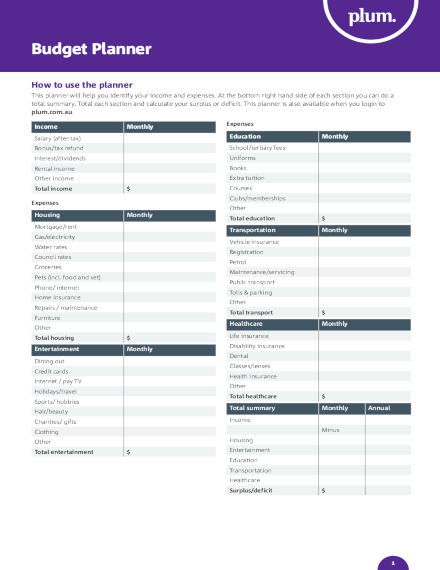 440×570 family budget planner examples from www.examples.com
  1094×1441 monthly family budget planner from redefinedmom.com
  600×812 family budget planner budget spreadsheet excel from www.spreadsheet123.com
  792×610 family budget planner excel from www.vertex42.com
  600×900 homeschool budget planner homeschool printables from www.homeschoolprintablesforfree.com
  2000×2000 home budget planner template printable from printsbery.com



Homeschool Family Budget Planner :
Homeschool Family Budget Planner was posted in September 22, 2025 at 7:26 pm. If you wanna have it as yours, please click the Pictures and you will go to click right mouse then Save Image As and Click Save and download the Homeschool Family Budget Planner Picture.. Don’t forget to share this picture with others via Facebook, Twitter, Pinterest or other social medias! we do hope you'll get inspired by SampleTemplates123... Thanks again! If you have any DMCA issues on this post, please contact us!
Related For Homeschool Family Budget Planner

Simple Budget Planner Sample PDF Do
Simple Budget Planner Sample PDF Download Non Profit Organisation
Personal Budget Excel Template
Personal Budget Excel Template Bank Manager ResumeMenu TemplateAppeal Letter
Simple Weekly Budget Template
Simple Weekly Budget Template Financial Aid Appeal Letter ExampleLetter