Divorce Settlement Budget Planner
Divorce Settlement Budget Planner: Navigating Your Financial Future
Divorce is often described as one of the most stressful life events, and a significant portion of that stress stems from the financial implications. Negotiating a divorce settlement involves dividing assets, determining spousal support (alimony), and establishing child support arrangements. Without careful planning and budgeting, it’s easy to make decisions that negatively impact your long-term financial stability. A divorce settlement budget planner is an essential tool to help you understand your current financial situation, project your future income and expenses, and make informed choices during the settlement process.
Why Use a Divorce Settlement Budget Planner?
- Gaining Clarity: A planner forces you to confront the realities of your post-divorce financial landscape. It reveals the potential income shortfall or surplus you may face, allowing you to strategize accordingly.
- Informed Decision-Making: With a clear picture of your financial future, you’re better equipped to negotiate a settlement that meets your needs and avoids future financial hardship. You can prioritize key assets or negotiate for higher spousal support if necessary.
- Avoiding Surprises: Unexpected expenses can derail even the best-laid plans. A budget planner helps you anticipate potential costs associated with setting up a new household, managing legal fees, and adjusting to a single-income lifestyle.
- Negotiation Leverage: Presenting a well-documented budget to your lawyer and, if applicable, your spouse and their lawyer, demonstrates your financial needs and justifies your settlement requests. It provides a factual basis for negotiation, making it harder to dispute your claims.
- Peace of Mind: Knowing you have a solid financial plan in place can significantly reduce the stress and anxiety associated with divorce. It empowers you to take control of your future and build a secure financial foundation.
Key Components of a Divorce Settlement Budget Planner
A comprehensive divorce settlement budget planner should include the following sections:
1. Current Income and Expenses (Pre-Divorce)
Start by documenting your current income and expenses before the divorce. This provides a baseline for projecting your post-divorce financial situation. Be as accurate and detailed as possible.
Income:
- Salary/Wages: Include gross income, deductions (taxes, insurance, retirement contributions), and net income.
- Self-Employment Income: Calculate average monthly income after deducting business expenses.
- Investment Income: Include dividends, interest, rental income, and capital gains (if recurring).
- Other Income: Include any other sources of income, such as Social Security, pensions, or disability payments.
Expenses:
- Housing: Mortgage/Rent, property taxes, homeowners insurance, utilities (electricity, gas, water, trash), repairs, maintenance.
- Transportation: Car payments, insurance, gas, maintenance, public transportation costs.
- Food: Groceries, dining out.
- Healthcare: Health insurance premiums, co-pays, prescriptions.
- Childcare: Daycare, babysitting, after-school programs.
- Debt Payments: Credit card payments, student loans, personal loans.
- Insurance: Life insurance, disability insurance.
- Entertainment: Movies, concerts, hobbies, vacations.
- Personal Care: Clothing, haircuts, toiletries.
- Miscellaneous: Gifts, donations, subscriptions, other expenses.
2. Projected Post-Divorce Income
Estimate your income after the divorce is finalized. This requires considering several factors:
- Salary/Wages: Will your job change? Are you expecting a raise or promotion?
- Alimony (Spousal Support): Estimate the amount and duration of spousal support payments you expect to receive or pay. Consider tax implications.
- Child Support: Estimate the amount of child support you will receive or pay, based on state guidelines.
- Dividing Assets: How will assets be divided? Consider the income generated from any assets you receive, such as investment accounts or rental properties.
- New Employment: If you plan to seek new employment, research potential salary ranges and include a conservative estimate.
3. Projected Post-Divorce Expenses
Project your expenses after the divorce. This is where the planner becomes most crucial. Consider the following:
- Housing: Will you be moving to a new home? Estimate the cost of rent/mortgage, utilities, insurance, and maintenance.
- Legal Fees: Include ongoing legal fees related to the divorce or child custody arrangements.
- Childcare: If you have children, factor in childcare costs based on your new custody schedule.
- Healthcare: Consider changes to your health insurance coverage and premiums.
- Transportation: Will you need a new car? Update your transportation expenses accordingly.
- Household Goods: Estimate the cost of furnishing a new home, if necessary.
- Debt Payments: How will debt be divided in the settlement? Update your debt payment schedule.
- Taxes: Consult with a tax advisor to understand the tax implications of the divorce settlement. Alimony, child support, and the division of assets can all have tax consequences.
- Contingency Fund: Set aside a contingency fund for unexpected expenses.
4. Asset and Debt Division
This section outlines how assets and debts will be divided according to the proposed settlement. Be specific about the value of each asset and the amount of each debt. Consider the tax implications of transferring assets.
Assets:
- Real Estate: Primary residence, vacation homes, rental properties. Include estimated market value and any associated mortgages.
- Retirement Accounts: 401(k)s, IRAs, pensions. Obtain qualified domestic relations orders (QDROs) for dividing retirement accounts.
- Investment Accounts: Brokerage accounts, mutual funds, stocks, bonds.
- Bank Accounts: Checking accounts, savings accounts.
- Vehicles: Cars, boats, motorcycles.
- Personal Property: Furniture, jewelry, artwork, collectibles.
Debts:
- Mortgages: Loans secured by real estate.
- Credit Card Debt: Outstanding balances on credit cards.
- Student Loans: Loans for education expenses.
- Personal Loans: Loans from banks or other financial institutions.
- Car Loans: Loans secured by vehicles.
5. Sensitivity Analysis: “What If” Scenarios
It’s crucial to conduct a sensitivity analysis to assess the impact of potential changes to your income and expenses. Consider the following scenarios:
- Loss of Job: What if you lose your job and need to rely on unemployment benefits?
- Unexpected Medical Expenses: What if you incur significant medical bills?
- Changes in Alimony/Child Support: What if alimony or child support payments are reduced or terminated?
- Increase in Expenses: What if housing costs or other expenses increase unexpectedly?
Tools and Resources for Creating a Divorce Settlement Budget Planner
- Spreadsheet Software: Microsoft Excel, Google Sheets, or other spreadsheet programs are ideal for creating a detailed budget planner.
- Budgeting Apps: Several budgeting apps, such as Mint or YNAB (You Need a Budget), can help you track your income and expenses.
- Financial Advisors: A financial advisor can provide personalized guidance on financial planning during and after divorce.
- Divorce Attorneys: Your attorney can help you negotiate a fair settlement and protect your financial interests.
- Online Templates: Search online for divorce settlement budget planner templates to get a head start.
Tips for Effective Divorce Settlement Budget Planning
- Be Honest and Realistic: Don’t underestimate your expenses or overestimate your income. Accuracy is crucial for effective planning.
- Gather All Necessary Documents: Collect financial statements, tax returns, pay stubs, and other relevant documents.
- Seek Professional Advice: Consult with a financial advisor and a divorce attorney to get expert guidance.
- Update Your Budget Regularly: Your budget should be a living document that you update regularly to reflect changes in your financial situation.
- Negotiate Strategically: Use your budget to support your settlement requests and negotiate for a fair outcome.
A divorce settlement budget planner is a powerful tool that can help you navigate the financial complexities of divorce. By taking the time to create a comprehensive plan, you can protect your financial future and build a solid foundation for your post-divorce life. Remember to be realistic, seek professional advice, and update your budget regularly to ensure its accuracy and relevance.
 1024×1024 budget managing post divorce divorce harmony from www.divorceharmony.com
 638×823 divorce budget worksheet from www.slideshare.net
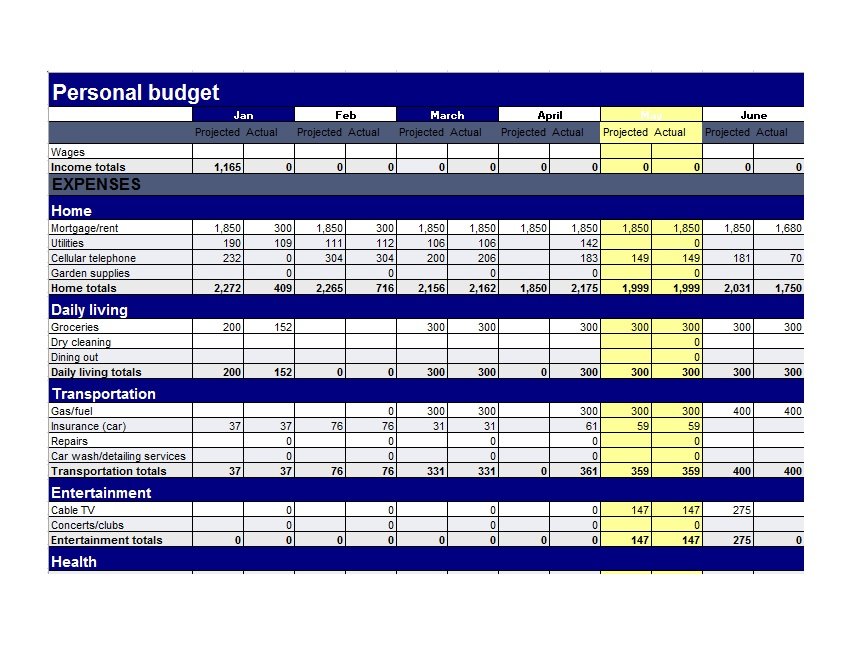 858×646 printables divorce budget worksheet tempojs thousands printable from tempojs.com
 768×653 divorce spreadsheet regard divorce inventory spreadsheet from db-excel.com
 794×794 planner divorce custody financial planner income expense from www.etsy.com
 794×348 divorce excel budget domestic partners budget excel partners from www.etsy.com


Divorce Settlement Budget Planner :
Divorce Settlement Budget Planner was posted in November 14, 2025 at 10:31 am. If you wanna have it as yours, please click the Pictures and you will go to click right mouse then Save Image As and Click Save and download the Divorce Settlement Budget Planner Picture.. Don’t forget to share this picture with others via Facebook, Twitter, Pinterest or other social medias! we do hope you'll get inspired by SampleTemplates123... Thanks again! If you have any DMCA issues on this post, please contact us!
Related For Divorce Settlement Budget Planner

College Budget Template Download
College Budget Template Download Letter of Intent Graduate SchoolMedical Expenses Budget Planner
Medical Expense Budget Planner: Navigating Healthcare Costs Healthcare is
Steps for a Weekly Budget PDF Downl
Steps for a Weekly Budget PDF Download Scholarship Recommendation