Budgeting After Job Loss Template
Budgeting After Job Loss: A Comprehensive Template
Losing a job is a stressful experience, and managing finances becomes a top priority. A well-structured budget is crucial for navigating this challenging period. This document provides a detailed budgeting template and guidance to help you regain control of your financial situation.
Understanding Your Current Financial Situation
Before creating a budget, it’s vital to understand your current financial standing. This involves assessing your assets, liabilities, and income sources.
1. Assessing Assets
- Cash on Hand: Include all cash in checking accounts, savings accounts, and any cash you physically possess.
- Investments: List any stocks, bonds, mutual funds, or retirement accounts (401k, IRA). Note that accessing retirement funds early often incurs penalties. Consider the tax implications before cashing out any investments.
- Property: Include the value of your home, vehicles, and other valuable assets. If you own a home, understand your mortgage obligations and potential for refinancing or a line of credit.
- Other Assets: This includes any other items of value that can be liquidated, such as collectibles, jewelry, or valuable electronics.
2. Identifying Liabilities
- Mortgage/Rent: Your monthly housing payment is a significant expense. Explore options like negotiating rent or deferring mortgage payments if necessary.
- Credit Card Debt: List all credit card balances, interest rates, and minimum payments. Prioritize paying down high-interest debt first.
- Loans (Student, Auto, Personal): Include the outstanding balances, interest rates, and monthly payments for each loan. Investigate options for deferment or forbearance.
- Other Debts: List any other outstanding debts, such as medical bills, utilities, or personal loans.
3. Determining Income Sources
Accurately identify all current and potential income streams. This is critical for building a realistic budget.
- Severance Pay: Calculate the total amount of severance pay you will receive and the payment schedule.
- Unemployment Benefits: Apply for unemployment benefits immediately. Research your state’s eligibility requirements and payment amounts.
- Investment Income: If you have investments that generate income (dividends, interest), include that in your income projections.
- Freelance/Gig Work: If you are pursuing freelance or gig work, estimate your potential earnings based on the work you can secure. Be realistic about the time it will take to find and complete projects.
- Part-time Jobs: If you are actively seeking part-time employment, estimate potential earnings based on available positions and hourly rates.
- Other Income: This includes any other sources of income, such as alimony, child support, or rental income.
Creating Your Post-Job Loss Budget Template
This template will help you track your income and expenses, enabling you to make informed financial decisions.
I. Income
| Source | Amount (Monthly) | Notes |
|---|---|---|
| Severance Pay | Include payment schedule | |
| Unemployment Benefits | Estimate based on state guidelines | |
| Investment Income | Dividends, interest, etc. | |
| Freelance/Gig Work | Realistic estimate | |
| Part-time Job | Hourly rate x hours per week | |
| Other Income | Specify source | |
| Total Income | Sum of all income sources |
II. Expenses
Categorize your expenses to identify areas where you can reduce spending. Differentiate between fixed and variable expenses.
| Expense Category | Specific Expense | Amount (Monthly) | Fixed/Variable | Notes/Potential Reductions |
|---|---|---|---|---|
| Housing | Mortgage/Rent | Fixed | Explore rent negotiation or mortgage deferment | |
| Property Taxes/Insurance | Fixed | Review coverage, look for discounts | ||
| Utilities (Electricity, Gas, Water) | Variable | Reduce usage, explore energy-saving options | ||
| Transportation | Car Payment/Lease | Fixed | Consider selling or refinancing | |
| Car Insurance | Fixed | Shop around for lower rates | ||
| Gas/Maintenance | Variable | Reduce driving, carpool if possible | ||
| Food | Groceries | Variable | Meal planning, cook at home more often | |
| Eating Out/Takeout | Variable | Drastically reduce or eliminate | ||
| Coffee/Snacks | Variable | Brew coffee at home, pack snacks | ||
| Debt Payments | Credit Card Payments | Variable | Focus on high-interest cards | |
| Student Loan Payments | Fixed | Explore deferment or income-based repayment | ||
| Other Loan Payments | Fixed | Consider refinancing or consolidation | ||
| Healthcare | Health Insurance Premiums | Fixed | Explore COBRA, ACA Marketplace, or Medicaid | |
| Prescriptions | Variable | Generic alternatives, discount programs | ||
| Medical Expenses | Variable | Minimize unnecessary appointments | ||
| Personal/Household | Clothing | Variable | Minimize purchases, shop at thrift stores | |
| Household Supplies | Variable | Buy in bulk, use coupons | ||
| Personal Care | Variable | Reduce salon visits, DIY alternatives | ||
| Entertainment/Recreation | Subscriptions (Netflix, Spotify, etc.) | Variable | Cancel or downgrade | |
| Hobbies | Variable | Reduce or eliminate spending | ||
| Social Activities | Variable | Find free or low-cost alternatives | ||
| Other Expenses | Specify | Add any other recurring expenses | ||
| Total Expenses | Sum of all expenses |
III. Cash Flow Analysis
Calculate the difference between your total income and total expenses.
- Total Income: (From Income Section)
- Total Expenses: (From Expense Section)
- Net Cash Flow: (Total Income – Total Expenses)
A positive net cash flow indicates you have more income than expenses. A negative net cash flow indicates you are spending more than you earn, requiring immediate action to reduce expenses or increase income.
Actionable Steps and Strategies
1. Expense Reduction
- Identify Non-Essential Expenses: Cut out or drastically reduce spending on entertainment, dining out, and other non-essential items.
- Negotiate Bills: Contact service providers (internet, phone, insurance) to negotiate lower rates.
- Suspend Subscriptions: Cancel or pause any subscriptions you are not actively using.
- Conserve Energy: Reduce energy consumption to lower utility bills.
- Shop Around: Compare prices for groceries, insurance, and other goods and services to find the best deals.
2. Income Enhancement
- Accelerate Job Search: Dedicate significant time and effort to your job search. Network, update your resume and cover letter, and apply for relevant positions.
- Explore Freelance Opportunities: Utilize online platforms to find freelance or gig work that matches your skills.
- Consider Part-Time Employment: Supplement your income with a part-time job in a field you are familiar with.
- Sell Unused Items: Sell unwanted belongings online or at a consignment shop.
- Tap into Savings (Strategically): Use your savings as a temporary bridge, but avoid depleting them entirely.
3. Debt Management
- Prioritize High-Interest Debt: Focus on paying down credit card debt with the highest interest rates.
- Contact Creditors: Communicate with your creditors to explore options like hardship programs, reduced interest rates, or payment plans.
- Consider Debt Consolidation: Explore the possibility of consolidating your debts into a single loan with a lower interest rate.
4. Financial Assistance
- Unemployment Benefits: File for unemployment benefits as soon as possible.
- Government Assistance Programs: Research and apply for government assistance programs like SNAP (food stamps), Medicaid, and housing assistance.
- Community Resources: Contact local charities and non-profit organizations for assistance with food, housing, and other essential needs.
Review and Adjust Regularly
Your budget is not a static document. Review and adjust it regularly (at least monthly) based on your actual income and expenses. Track your spending to identify areas where you are overspending and make necessary adjustments. Adapt the budget as your circumstances change, such as when you find new employment or receive unemployment benefits.
Losing a job is a significant financial challenge, but with careful planning and diligent execution, you can navigate this period and regain control of your finances. This budgeting template provides a solid foundation for building a sustainable financial plan and securing your future.
 1200×628 reduce spending job loss fitzroy financial advice from fitzroyfa.com.au
  2428×3900 prepare job loss frugal mom eh from www.frugalmomeh.com
  1000×563 reduce spending job loss adr wealth superannuation from www.adrwealth.com.au
  2048×1482 profit loss statement template employed excel monthly from dremelmicro.com
  1255×970 lost wages spreadsheet business profit loss spreadsheet from db-excel.com
  792×1024 lost wages spreadsheet business profit loss spreadsheet invoice from db-excel.com
  589×392 effectively survive job loss stacks magazine from www.stacksmag.net
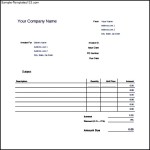


Budgeting After Job Loss Template :
Budgeting After Job Loss Template was posted in December 13, 2025 at 4:11 am. If you wanna have it as yours, please click the Pictures and you will go to click right mouse then Save Image As and Click Save and download the Budgeting After Job Loss Template Picture.. Don’t forget to share this picture with others via Facebook, Twitter, Pinterest or other social medias! we do hope you'll get inspired by SampleTemplates123... Thanks again! If you have any DMCA issues on this post, please contact us!
Related For Budgeting After Job Loss Template

It Project Budget Template
It Project Budget Template Proper Business Letter FormatExample of
Interactive Notion Finance Tracker
Interactive Notion Finance Tracker Level Up Your Finances: Building
Example Business Budget Template
Example Business Budget Template Termination of Services Letter to