Life After College Budget Planner
Life After College: Your Budget Planner
Congratulations, graduate! You’ve navigated late-night study sessions, mountains of textbooks, and the general chaos of college life. Now, you’re staring down a whole new adventure: adulthood. And with adulthood comes… budgeting. Let’s face it, learning to manage your finances after the relatively structured (and often subsidized) world of college can feel overwhelming. But fear not! This guide will equip you with a solid foundation to build a budget, track your expenses, and ultimately achieve your financial goals.
Why is a Budget Crucial After College?
In college, ramen noodles and student discounts might have sufficed. Post-graduation, the stakes are higher. Here’s why a budget is your new best friend:
- Debt Repayment: Student loans are a significant reality for many graduates. A budget prioritizes loan payments and helps you develop a strategy to pay them down faster.
- Financial Independence: No more relying solely on parental support. A budget empowers you to take control of your finances and build a secure future.
- Achieving Goals: Whether it’s buying a car, saving for a down payment on a house, or traveling the world, a budget provides a roadmap to achieve your dreams.
- Avoiding Debt Traps: Without a plan, it’s easy to fall into credit card debt and struggle to keep up. A budget helps you avoid overspending and manage your credit wisely.
- Reducing Stress: Financial uncertainty is a major source of stress. Knowing where your money is going and having a plan for the future brings peace of mind.
Step-by-Step Guide to Creating Your Post-College Budget
- Calculate Your Income:
- Net Income is Key: This is your take-home pay after taxes, insurance, and other deductions. It’s the actual amount you have to work with.
- Be Realistic: If you’re starting a new job, estimate conservatively. It’s better to underestimate than overestimate.
- Factor in Side Hustles: Do you freelance, drive for a ride-sharing service, or have other sources of income? Include those, but be mindful that they might fluctuate.
- Track Your Expenses:
- The Devil is in the Details: This is the most time-consuming but also the most crucial step. Track everything you spend for at least a month.
- Use Technology: Budgeting apps like Mint, YNAB (You Need a Budget), Personal Capital, and even simple spreadsheets can simplify tracking. Many banks also offer built-in budgeting tools.
- Categorize Your Spending: Group your expenses into categories like Housing, Transportation, Food, Utilities, Entertainment, and Debt Payments.
- Differentiate Between Fixed and Variable Expenses: Fixed expenses are consistent each month (rent, loan payments). Variable expenses fluctuate (groceries, entertainment).
- Analyze Your Spending and Create a Budget:
- The 50/30/20 Rule: A popular guideline suggests allocating 50% of your income to Needs, 30% to Wants, and 20% to Savings and Debt Repayment.
- Needs (50%): These are essential expenses like rent/mortgage, utilities, groceries, transportation, insurance, and minimum debt payments.
- Wants (30%): These are discretionary expenses like dining out, entertainment, travel, subscriptions, and hobbies.
- Savings & Debt Repayment (20%): This includes emergency fund contributions, retirement savings, and extra payments on debt.
- Adjust as Needed: The 50/30/20 rule is a starting point. Adjust the percentages based on your income, goals, and priorities. For example, if you have significant student loan debt, you might allocate more than 20% to debt repayment.
- Implement and Review Your Budget Regularly:
- Set Realistic Goals: Don’t try to drastically change your spending habits overnight. Start small and gradually adjust your budget.
- Automate Savings and Debt Payments: Set up automatic transfers to your savings account and automatic payments for your loans. This ensures you’re consistently saving and paying down debt.
- Track Your Progress: Regularly review your budget and compare your actual spending to your planned spending.
- Be Flexible: Life happens! Unexpected expenses will arise. Adjust your budget as needed to accommodate changes in your income or expenses.
- Review Monthly: Dedicate time each month to analyze your spending and identify areas where you can improve.
Budgeting Tips for Recent Grads
- Embrace Frugality: Look for ways to save money without sacrificing your quality of life. Cook at home, take advantage of free entertainment options, and find affordable housing.
- Negotiate Everything: Don’t be afraid to negotiate your salary, rent, and even your bills.
- Build an Emergency Fund: Aim to save 3-6 months’ worth of living expenses in an easily accessible emergency fund. This will protect you from unexpected financial setbacks.
- Pay Down High-Interest Debt: Focus on paying off high-interest debt, such as credit card debt, as quickly as possible.
- Start Saving for Retirement: Even small contributions to a retirement account can make a big difference over time. Take advantage of any employer matching programs.
- Consider a Side Hustle: If you’re struggling to make ends meet, consider a part-time job or freelance work to supplement your income.
- Seek Professional Advice: If you’re feeling overwhelmed, consider consulting a financial advisor.
- Don’t Compare Yourself to Others: Everyone’s financial situation is different. Focus on your own goals and progress.
- Use Credit Cards Wisely: Pay your credit card balances in full each month to avoid interest charges and build a good credit score.
Budgeting Tools and Resources
- Budgeting Apps: Mint, YNAB (You Need a Budget), Personal Capital, Goodbudget
- Spreadsheet Templates: Google Sheets, Microsoft Excel
- Financial Literacy Websites: NerdWallet, Investopedia, The Balance
- Credit Score Websites: Credit Karma, Credit Sesame
- Student Loan Resources: Sallie Mae, Federal Student Aid website
The post-college world presents exciting opportunities and new financial responsibilities. By creating a budget and sticking to it, you can take control of your finances, achieve your goals, and build a secure future. Remember, budgeting is a journey, not a destination. Be patient, persistent, and adaptable, and you’ll be well on your way to financial success.
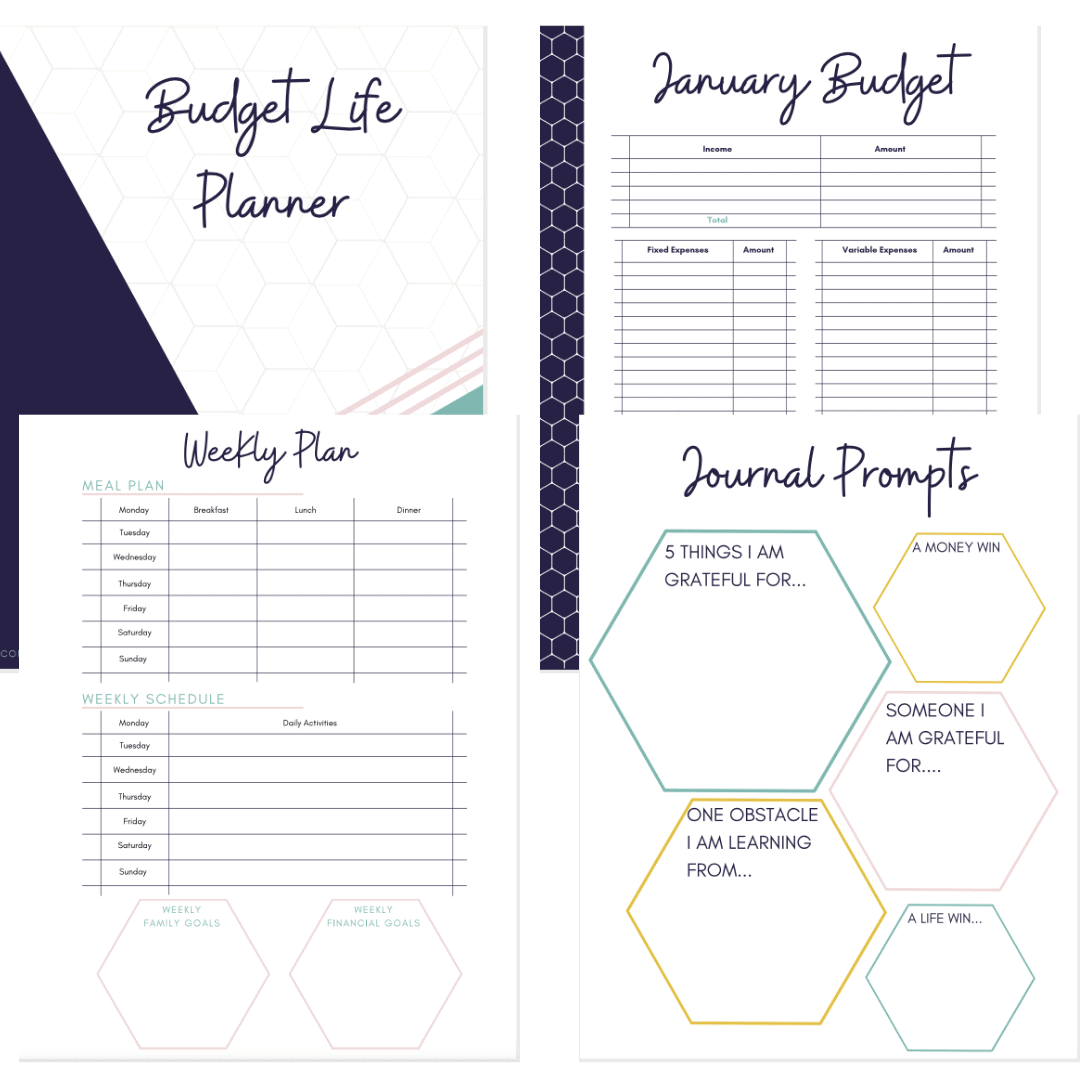 1080×1080 budget life planner modern version inspired budget from inspiredbudget.com
  930×663 college budget planner template clickstarters from www.clickstarters.com
  866×939 budget planner college students from www.excel-template.net
  480×300 life college budget project logan lewis prezi from prezi.com
  768×772 college life planner organize freshman year instant from tipjunkie.com
  1588×2055 college financial planner budget planner financial tracker etsy from www.etsy.com
  614×548 life college budgeting life college from lifeaftercollegelvt.blogspot.com
  1000×1500 living college budget tips wont wreck fun from bethebudget.com




Life After College Budget Planner :
Life After College Budget Planner was posted in June 29, 2025 at 12:26 pm. If you wanna have it as yours, please click the Pictures and you will go to click right mouse then Save Image As and Click Save and download the Life After College Budget Planner Picture.. Don’t forget to share this picture with others via Facebook, Twitter, Pinterest or other social medias! we do hope you'll get inspired by SampleTemplates123... Thanks again! If you have any DMCA issues on this post, please contact us!
Related For Life After College Budget Planner
Teacher Budget Kit Printable
Here’s an HTML formatted piece on teacher budget printable
Marketing Budget Spreadsheet Templa
Marketing Budget Spreadsheet Template Child Parenting Custody Agreement Template
Sample Capital Expenditure Budget T
Sample Capital Expenditure Budget Template capital expenditure excel templates