Budgeting After Having A Baby
Budgeting After Baby: Navigating the New Normal
Congratulations! You’ve welcomed a little one into your life. While joy abounds, so do the new expenses. Adapting your budget after having a baby is crucial for financial stability and peace of mind. This guide provides a roadmap to help you navigate the financial landscape of parenthood.
The Reality Check: Understanding New Expenses
Before diving into creating a budget, acknowledge the changes. Having a baby introduces both predictable and unexpected costs. Let’s break down some key areas:
- Diapers and Wipes: These consumables represent a significant ongoing expense. Explore options like bulk buying, subscription services, and cloth diapering (if that suits your lifestyle) to minimize costs.
- Formula/Breastfeeding Supplies: Formula feeding can be costly. If breastfeeding, factor in the cost of nursing bras, pumps (if needed), storage bags, and potentially lactation consultant fees.
- Baby Food: As your baby starts solids, you’ll need to budget for baby food. Consider making your own purees, which is often more economical and allows you to control ingredients.
- Healthcare: Doctor’s visits, vaccinations, and potential unexpected illnesses will add to your healthcare expenses. Review your health insurance policy to understand coverage and out-of-pocket costs.
- Clothing: Babies grow quickly, requiring frequent clothing updates. Opt for hand-me-downs, consignment stores, and sales to save money.
- Gear: Cribs, strollers, car seats, high chairs – the list of baby gear can be overwhelming and expensive. Research thoroughly, compare prices, and consider buying used when possible.
- Childcare: This is often the most substantial expense for working parents. Explore different childcare options, such as daycare centers, in-home nannies, and family care, and compare costs. Consider employer-sponsored childcare benefits if available.
- Increased Utilities: You might notice an increase in your utility bills due to more laundry, heating/cooling for the baby’s comfort, and potentially running appliances like bottle sterilizers.
- Life Insurance: Now is the time to seriously consider or review your life insurance coverage. Ensure you have adequate protection to provide for your child in case of unforeseen circumstances.
Building Your Post-Baby Budget: A Step-by-Step Guide
Now that you’re aware of the new expenses, let’s create a realistic budget.
- Track Your Spending: For a month or two, meticulously track every expense, no matter how small. Use a budgeting app, spreadsheet, or notebook. This will provide a clear picture of your current spending habits.
- Identify Fixed Expenses: These are consistent, predictable costs like rent/mortgage, car payments, insurance premiums, and loan repayments. List these expenses and their amounts.
- Identify Variable Expenses: These expenses fluctuate each month, such as groceries, utilities, entertainment, and dining out. Use your tracked spending data to estimate average monthly costs for these categories.
- Factor in Baby-Related Expenses: Add the estimated costs of diapers, formula/breastfeeding supplies, baby food, clothing, healthcare, childcare, and other baby-related items.
- Calculate Your Total Income: Determine your net monthly income (after taxes and deductions). If one parent is taking time off work, adjust the income accordingly.
- Compare Income and Expenses: Subtract your total expenses from your total income. This will reveal whether you have a surplus or a deficit.
- Adjust Your Budget: If you have a deficit, you’ll need to make adjustments to your spending. Look for areas where you can cut back, such as dining out, entertainment, subscriptions, or non-essential items. Consider ways to increase your income, such as a side hustle or part-time work.
- Prioritize Needs vs. Wants: Distinguish between essential needs and discretionary wants. Focus on covering your essential expenses first, and then allocate remaining funds to wants if possible.
- Create a Buffer: Aim to create a buffer or emergency fund to cover unexpected expenses, such as medical bills or car repairs. Even a small buffer can provide peace of mind.
- Regularly Review and Adjust: Your budget is not set in stone. As your baby grows and your circumstances change, you’ll need to review and adjust your budget accordingly. Revisit your budget monthly or quarterly to ensure it still aligns with your financial goals.
Tips for Saving Money After Baby
Here are some practical tips to help you save money and stick to your budget:
- Embrace Hand-Me-Downs and Secondhand Items: Accept hand-me-downs from friends and family, and shop at consignment stores and online marketplaces for gently used baby clothes, toys, and gear.
- Breastfeed if Possible: Breastfeeding is generally more economical than formula feeding, although it may require initial investments in supplies.
- Make Your Own Baby Food: Homemade baby food is cheaper and healthier than store-bought options.
- Buy in Bulk: Purchase diapers, wipes, and other essentials in bulk to save money per unit.
- Use Coupons and Discounts: Take advantage of coupons, discounts, and loyalty programs offered by baby stores and online retailers.
- Shop Around for Insurance: Compare quotes from different insurance companies to find the best rates for your needs.
- Refinance Debt: If you have high-interest debt, consider refinancing to a lower interest rate to save money on interest payments.
- Limit Eating Out: Cooking at home is generally much cheaper than eating out. Plan your meals and cook in bulk to save time and money.
- Free Activities: Look for free or low-cost activities to do with your baby, such as visiting parks, libraries, and community events.
- Review Subscriptions: Evaluate your existing subscriptions (e.g., streaming services, magazines) and cancel any that you no longer need or use.
The Importance of Planning for the Future
While focusing on immediate expenses is essential, don’t neglect long-term financial planning.
- Start a College Fund: Even small contributions to a 529 plan or other college savings account can make a significant difference over time.
- Update Your Will: Ensure your will is up-to-date to reflect your new family situation and designate guardians for your child.
- Save for Retirement: Continue contributing to your retirement accounts, even if it’s a smaller amount than before. Consider adjusting your retirement contributions to prioritize childcare expenses if necessary, but aim to resume your original contribution level as soon as possible.
Seeking Support and Resources
Remember that you’re not alone. Many resources are available to help new parents manage their finances.
- Financial Advisors: Consider consulting with a financial advisor to get personalized advice on budgeting, saving, and investing.
- Parenting Groups: Join parenting groups or online communities to share tips and advice with other parents.
- Government Assistance Programs: Explore government assistance programs, such as WIC (Women, Infants, and Children) and SNAP (Supplemental Nutrition Assistance Program), if you qualify.
Conclusion
Budgeting after having a baby requires careful planning, discipline, and flexibility. By understanding your new expenses, creating a realistic budget, and implementing cost-saving strategies, you can navigate the financial challenges of parenthood and build a secure future for your family. Remember to be patient with yourself, celebrate small victories, and seek support when needed. You’ve got this!
 532×700 budgeting baby real advice gal from madamedeals.com
  600×1200 ways budget baby from www.smartmomideas.com
 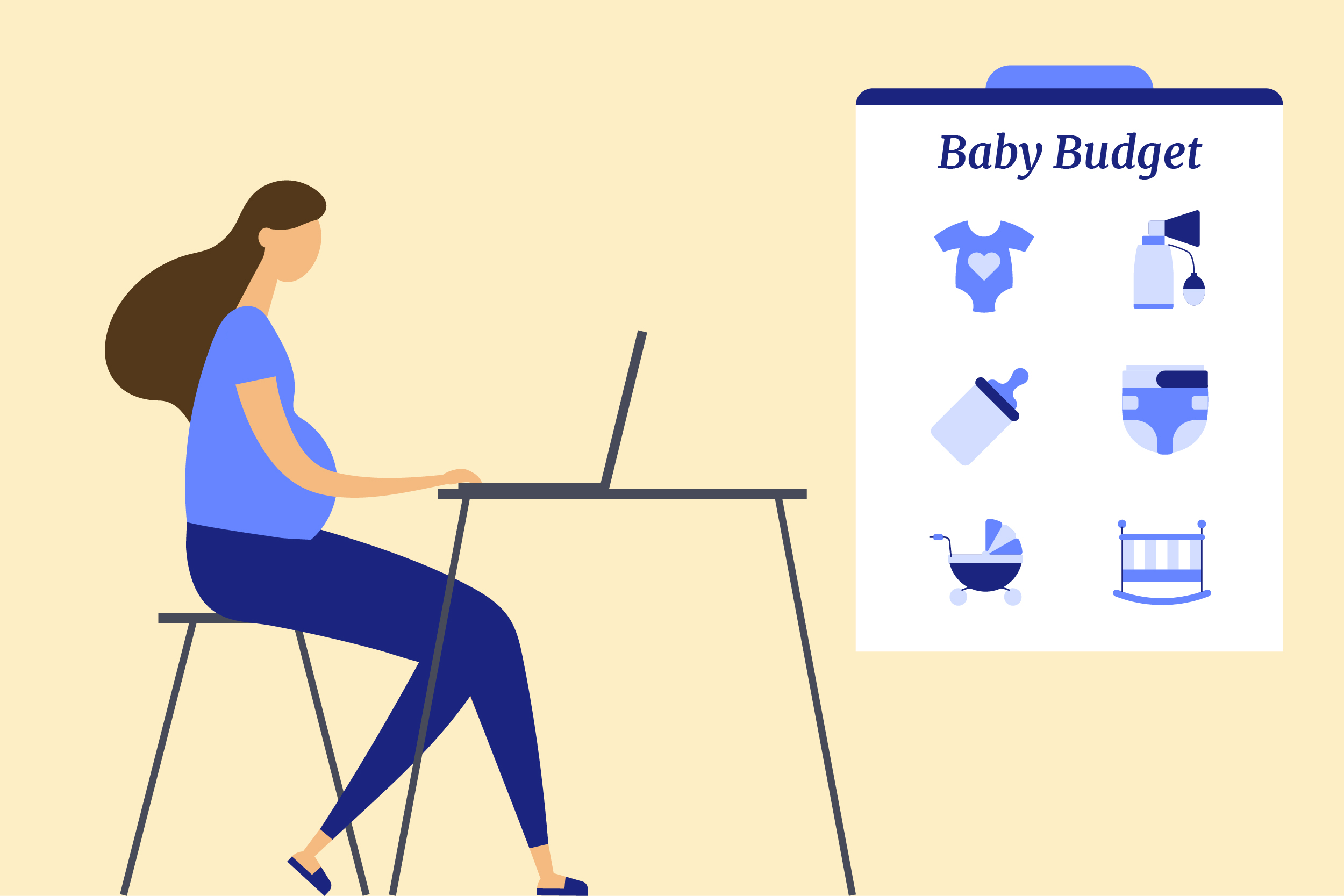 2500×1667 budget baby from community.themomproject.com
  1860×1008 budgeting baby premier health from www.premierhealth.com
  600×929 budgeting baby from www.penniesintopearls.com
  640×512 budget baby theory living fifty from www.retiredby40blog.com
  683×1024 baby budget ways save from www.craftymotherfather.com
  1280×720 baby budget newborn costs hsbc uk from www.hsbc.co.uk
  600×1200 cost saving ways baby budget full heart mommy from fullheartmommy.com
  683×1024 baby budget journey sahm from www.journeytosahm.com



Budgeting After Having A Baby :
Budgeting After Having A Baby was posted in October 29, 2025 at 11:50 pm. If you wanna have it as yours, please click the Pictures and you will go to click right mouse then Save Image As and Click Save and download the Budgeting After Having A Baby Picture.. Don’t forget to share this picture with others via Facebook, Twitter, Pinterest or other social medias! we do hope you'll get inspired by SampleTemplates123... Thanks again! If you have any DMCA issues on this post, please contact us!
Related For Budgeting After Having A Baby
Vacation Trip Budget Template PDF
Vacation Trip Budget Template PDF Guide Vacation Trip BudgetContinuing Education Budget Workshe
Continuing education is no longer a luxury; it’s a
Family Monthly Budget Template Exce
Family Monthly Budget Template Excel Format Perfect Attendance Template