Strategy Session Agenda Format
Here’s an HTML outline for a strategy session agenda format, targeting a word count around 900 words: “`html
Crafting a Powerful Strategy Session Agenda: A Step-by-Step Guide
A well-structured strategy session agenda is the cornerstone of a productive and impactful meeting. It transforms a potentially aimless gathering into a focused, results-oriented event. A clear agenda ensures all participants understand the objectives, their roles, and the expected outcomes. This guide outlines a robust agenda format to maximize the effectiveness of your strategy sessions.
I. Setting the Stage: Pre-Session Preparation
Before even thinking about the agenda, lay the groundwork:
- Define the Session’s Purpose: What specific strategic issue needs addressing? Is it market expansion, product innovation, operational efficiency, or a response to a competitive threat? Clearly articulate the primary goal.
- Identify Key Participants: Who possesses the necessary expertise, decision-making authority, and diverse perspectives? Include individuals from relevant departments and levels within the organization.
- Circulate Pre-Reading Materials: Share relevant data, market analysis reports, competitive intelligence, and internal performance metrics well in advance. This allows participants to arrive informed and ready to contribute meaningfully.
- Assign Roles (Optional): Consider assigning roles like facilitator, note-taker, timekeeper, and devil’s advocate to enhance efficiency and accountability.
II. The Core Agenda Components
A compelling agenda should incorporate these essential elements:
A. Opening (5-10 minutes)
The opening sets the tone and ensures everyone is aligned.
- Welcome and Introductions: Briefly welcome attendees and allow for quick introductions, especially if there are new participants.
- Review of Objectives: Clearly restate the session’s purpose and desired outcomes. Emphasize the importance of achieving these objectives.
- Agenda Overview: Briefly walk through the agenda, highlighting key topics and allotted time for each section. This provides a roadmap for the session.
- Ground Rules (Optional): Establish ground rules for respectful and productive discussions. This could include encouraging active listening, constructive criticism, and time consciousness.
B. Situation Analysis (20-45 minutes)
This section focuses on understanding the current landscape.
- Review of Pre-Reading Materials: A brief recap of the key insights from the circulated materials. This ensures everyone is on the same page.
- SWOT Analysis (Strengths, Weaknesses, Opportunities, Threats): A structured analysis of the organization’s internal capabilities and external environment. This helps identify areas for improvement and potential growth.
- Competitive Landscape Assessment: Discuss the competitive environment, identifying key competitors, their strategies, and their strengths and weaknesses.
- Market Trends and Customer Insights: Analyze current market trends, customer preferences, and emerging technologies. This provides valuable insights for strategic decision-making.
C. Brainstorming and Idea Generation (30-60 minutes)
This section encourages creative thinking and exploration of potential strategies.
- Problem Definition: Clearly define the specific problem or challenge that the session aims to address.
- Brainstorming Techniques: Employ structured brainstorming techniques to generate a wide range of ideas. Examples include:
- Round Robin Brainstorming: Each participant contributes one idea at a time.
- Reverse Brainstorming: Focus on identifying potential problems with a proposed solution.
- SCAMPER: A checklist of prompts to stimulate creativity (Substitute, Combine, Adapt, Modify, Put to other uses, Eliminate, Reverse).
- Idea Recording and Categorization: Capture all ideas generated and categorize them for further evaluation.
D. Strategy Development and Prioritization (45-90 minutes)
This is where ideas are transformed into concrete strategies.
- Strategy Evaluation Criteria: Establish clear criteria for evaluating the feasibility, impact, and alignment of potential strategies. Examples include:
- Return on Investment (ROI): The expected financial return from implementing the strategy.
- Strategic Alignment: How well the strategy aligns with the organization’s overall goals and objectives.
- Feasibility: The practicality and achievability of the strategy, considering available resources and capabilities.
- Risk Assessment: Identification and assessment of potential risks associated with the strategy.
- Strategy Prioritization: Rank the strategies based on the evaluation criteria, focusing on those with the highest potential impact and feasibility. Tools like impact/effort matrices can be helpful.
- Action Planning: For the prioritized strategies, develop preliminary action plans outlining key steps, responsibilities, timelines, and required resources.
E. Decision Making and Next Steps (15-30 minutes)
This section solidifies decisions and outlines the path forward.
- Decision Confirmation: Formally confirm the selected strategies and action plans.
- Assignment of Responsibilities: Clearly assign responsibility for each action item to specific individuals or teams.
- Establish Timelines and Milestones: Set clear timelines and milestones for completing the action items.
- Communication Plan: Outline a plan for communicating the strategic decisions and action plans to the wider organization.
- Follow-up Meeting Schedule: Schedule a follow-up meeting to review progress and address any challenges.
F. Closing (5-10 minutes)
End on a positive and productive note.
- Review of Key Outcomes: Briefly summarize the key decisions and action items.
- Thank You and Appreciation: Thank participants for their contributions and commitment.
- Next Steps Reminder: Remind participants of their assigned responsibilities and the upcoming follow-up meeting.
III. Tips for a Successful Strategy Session
- Maintain Focus: The facilitator must keep the discussion focused on the agenda and manage time effectively.
- Encourage Participation: Create a safe and inclusive environment where all participants feel comfortable sharing their ideas.
- Be Flexible: While the agenda provides a framework, be prepared to adjust it based on the flow of the discussion and emerging insights.
- Document Everything: Accurate and detailed notes are crucial for tracking progress and ensuring accountability.
- Follow Up: After the session, distribute meeting notes, action plans, and any other relevant materials to participants promptly. Ensure assigned tasks are being tracked and addressed.
By following this comprehensive agenda format, you can transform your strategy sessions from unproductive discussions into powerful engines of strategic innovation and growth.
“`
 1600×2070 strategy meeting agenda template word eforms from eforms.com
  390×505 strategy meeting agenda examples from www.examples.com
  1667×4167 virtual strategy meeting agenda sample from www.smestrategy.net
 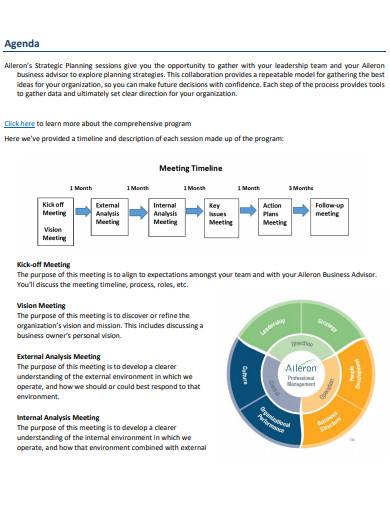 390×505 strategy meeting agenda samples from www.sampletemplates.com
  600×730 strategy meeting agenda template collection from lesboucans.com
  1024×768 strategy day agenda lazy facilitator from blog.daviesbdm.com
  960×720 strategy meeting agenda template hq printable documents from whoamuu.blogspot.com
  510×766 sample strategic meeting agenda templates printable samples from www.printablesample.com
  600×730 agenda examples format sample examples from www.examples.com


Strategy Session Agenda Format :
Strategy Session Agenda Format was posted in August 15, 2025 at 7:12 pm. If you wanna have it as yours, please click the Pictures and you will go to click right mouse then Save Image As and Click Save and download the Strategy Session Agenda Format Picture.. Don’t forget to share this picture with others via Facebook, Twitter, Pinterest or other social medias! we do hope you'll get inspired by SampleTemplates123... Thanks again! If you have any DMCA issues on this post, please contact us!
Related For Strategy Session Agenda Format
Remote Team Agenda Planner
Remote Team Agenda Planner Mastering the Remote Team Agenda:Panel Discussion Agenda Format
Panel discussions are dynamic and engaging formats perfect for