IT Roadmap Agenda Planner
IT Roadmap Agenda Planner: A Strategic Guide
An IT roadmap agenda planner is a critical tool for organizations seeking to align their technology investments with their strategic business goals. It provides a structured framework for outlining, prioritizing, and executing IT initiatives over a defined period, typically one to three years, but sometimes extending to five or more. A well-defined agenda planner fosters collaboration, ensures resource allocation is optimized, and enables proactive management of technology risks and opportunities.
Key Components of an Effective IT Roadmap Agenda Planner
A comprehensive IT roadmap agenda planner should encompass several essential components, ensuring it serves as a useful and actionable document. These components include:
1. Executive Summary and Business Context
This section provides a concise overview of the roadmap’s objectives, scope, and alignment with the overall business strategy. It should clearly articulate the business drivers behind the IT initiatives and highlight the anticipated benefits, such as increased revenue, improved efficiency, enhanced customer experience, or reduced operational costs. It’s designed to quickly communicate the roadmap’s purpose to stakeholders at all levels.
2. Current State Assessment
A thorough evaluation of the existing IT infrastructure, applications, and capabilities is crucial. This assessment identifies strengths, weaknesses, and gaps in the current IT environment. It includes evaluating the performance, scalability, security, and reliability of existing systems. Tools like SWOT (Strengths, Weaknesses, Opportunities, Threats) analysis can be helpful here. Detailed documentation of the current IT landscape provides a baseline for measuring progress and identifying areas for improvement.
3. Future State Vision
This component describes the desired future state of the IT environment, aligning with the organization’s strategic goals. It outlines the technology capabilities needed to support business growth, innovation, and competitive advantage. The future state vision should be specific, measurable, achievable, relevant, and time-bound (SMART). It should also consider emerging technologies and industry trends that may impact the organization.
4. Strategic Themes and Objectives
The roadmap should be organized around a set of strategic themes, such as cloud migration, digital transformation, cybersecurity enhancement, or data analytics enablement. Each theme should have specific, measurable objectives that contribute to the overall business goals. For example, a strategic theme of “Cloud Migration” might have objectives such as “Migrate 50% of workloads to the cloud within 18 months” or “Reduce on-premises infrastructure costs by 20%.” These themes and objectives provide a clear focus for IT investments and activities.
5. IT Initiatives and Projects
This is the core of the roadmap, detailing the specific IT initiatives and projects that will be undertaken to achieve the strategic objectives. Each initiative should be clearly defined, with a description of its scope, deliverables, timelines, and resource requirements. Prioritization is crucial, with initiatives ranked based on their strategic importance, potential ROI, and feasibility. A project portfolio management approach can be used to track and manage these initiatives effectively.
6. Resource Allocation and Budget
The roadmap must include a detailed plan for allocating resources, including budget, personnel, and equipment. This section should outline the funding required for each initiative, as well as the roles and responsibilities of the IT staff and other stakeholders. A realistic budget is essential for ensuring that the roadmap is achievable and that resources are used efficiently. Contingency plans should also be included to address potential cost overruns or resource constraints.
7. Timeline and Milestones
A visual timeline is essential for tracking progress and ensuring that initiatives are completed on schedule. The timeline should include key milestones for each initiative, as well as dependencies between projects. Regular monitoring and reporting against the timeline are necessary to identify potential delays and take corrective action. Gantt charts and other project management tools can be used to visualize the timeline and track progress.
8. Risk Assessment and Mitigation
The roadmap should identify potential risks associated with each initiative and outline mitigation strategies. These risks may include technology risks, such as security vulnerabilities or system failures, as well as business risks, such as market changes or competitive pressures. A risk management framework should be used to assess the likelihood and impact of each risk, and to develop appropriate mitigation plans. Regular risk assessments should be conducted throughout the roadmap’s lifecycle.
9. Governance and Communication Plan
A clear governance structure is essential for ensuring that the roadmap is effectively managed and that stakeholders are informed of progress. This section should define the roles and responsibilities of the IT steering committee, project managers, and other key stakeholders. A communication plan should outline how information will be disseminated to stakeholders, including regular progress reports, presentations, and meetings. Effective communication is crucial for building buy-in and ensuring that the roadmap remains aligned with business needs.
10. Performance Measurement and Reporting
The roadmap should include a system for measuring and reporting on the performance of IT initiatives. Key performance indicators (KPIs) should be defined for each objective, and data should be collected regularly to track progress. Performance reports should be shared with stakeholders to provide transparency and accountability. The data collected can also be used to identify areas for improvement and to adjust the roadmap as needed.
Benefits of Using an IT Roadmap Agenda Planner
Implementing an IT roadmap agenda planner offers numerous benefits, including:
- Improved Alignment: Ensures that IT investments are aligned with business goals.
- Enhanced Collaboration: Fosters collaboration between IT and business stakeholders.
- Optimized Resource Allocation: Ensures that resources are allocated efficiently and effectively.
- Proactive Risk Management: Enables proactive identification and mitigation of technology risks.
- Increased Transparency: Provides transparency into IT initiatives and progress.
- Better Decision-Making: Supports better decision-making by providing a clear picture of the IT landscape and future direction.
- Improved ROI: Increases the return on investment in IT by focusing on strategic initiatives.
Conclusion
An IT roadmap agenda planner is an indispensable tool for organizations seeking to leverage technology to achieve their strategic goals. By following a structured approach and incorporating the key components outlined above, organizations can create a roadmap that aligns IT investments with business needs, fosters collaboration, and drives innovation. A well-defined and actively managed IT roadmap is a key enabler of business success in today’s rapidly evolving technological landscape.
 3104×1902 roadmap planner startupbase from startupbase.io
 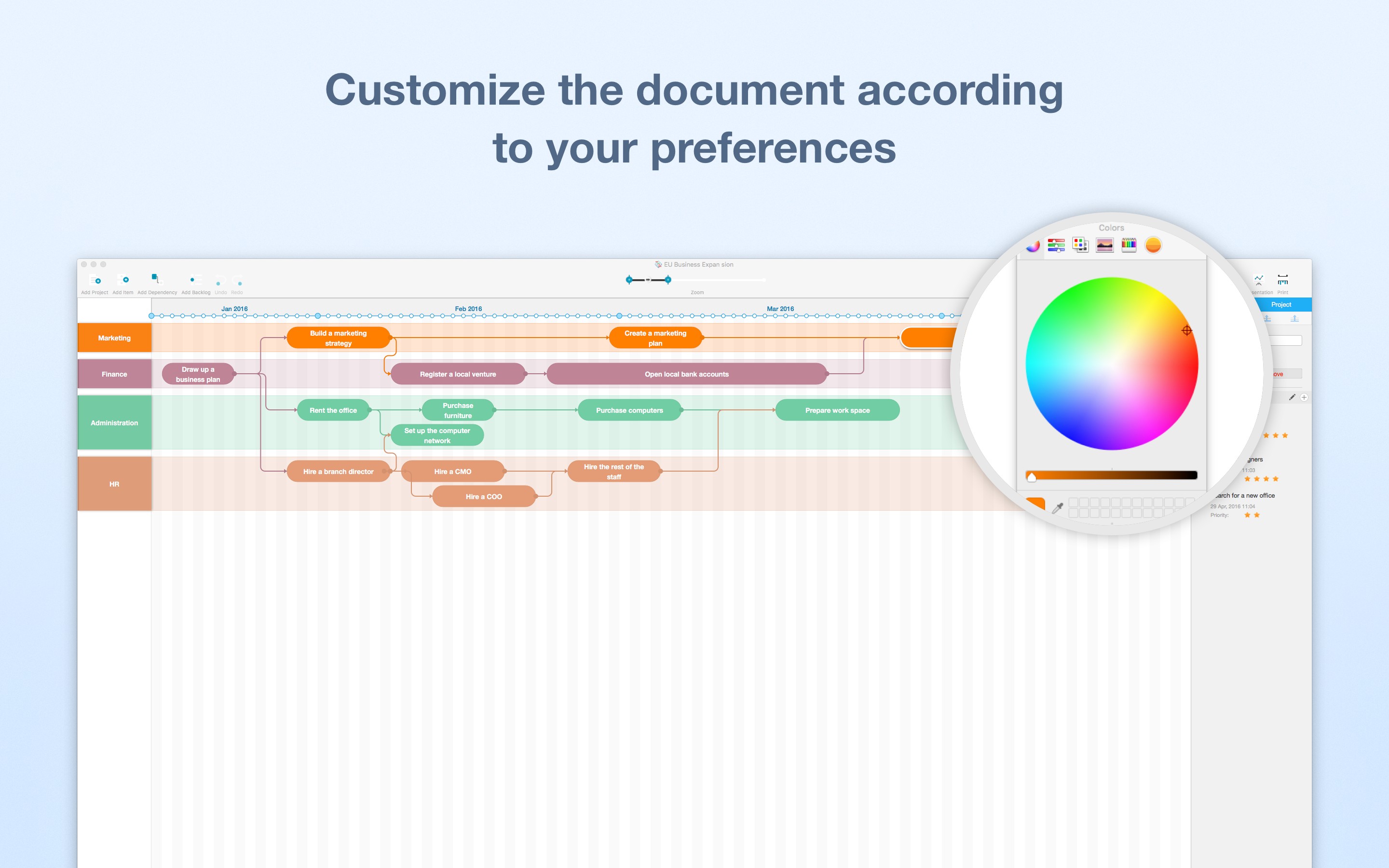 2880×1800 roadmap planner from www.designnominees.com
  3104×1902 roadmap planner pricing reviews features demo from www.softwaresuggest.com
  2880×1800 roadmap planner reviews details pricing features from www.g2.com
  3104×1902 roadmap planner software reviews pricing demo from www.softwareadvice.ie
  2280×1264 enterprise roadmap template productplan from www.productplan.com
  2280×1264 infrastructure roadmap template productplan from www.productplan.com
  1880×1082 roadmap template roadmap powerpoint template bountrfo from www.heritagechristiancollege.com
  1200×900 roadmap builder behance from www.behance.net
  1510×824 roadmap template visio roadmap pest template strategic kpis from www.heritagechristiancollege.com
  1747×1079 roadmap template roadmap templates creating from www.heritagechristiancollege.com
  1561×749 technology roadmap templates smartsheet from www.smartsheet.com


IT Roadmap Agenda Planner :
IT Roadmap Agenda Planner was posted in August 1, 2025 at 3:48 am. If you wanna have it as yours, please click the Pictures and you will go to click right mouse then Save Image As and Click Save and download the IT Roadmap Agenda Planner Picture.. Don’t forget to share this picture with others via Facebook, Twitter, Pinterest or other social medias! we do hope you'll get inspired by SampleTemplates123... Thanks again! If you have any DMCA issues on this post, please contact us!