Internal Audit Meeting Agenda
Internal Audit Meeting Agenda
An internal audit meeting agenda is a crucial document for ensuring efficient and productive audit discussions. It serves as a roadmap, outlining the topics to be covered, the objectives to be achieved, and the expected outcomes of the meeting. A well-crafted agenda helps to keep the meeting focused, ensures that all relevant stakeholders are prepared, and maximizes the use of everyone’s time.
Key Elements of an Effective Internal Audit Meeting Agenda
A comprehensive internal audit meeting agenda should include the following elements:
- Meeting Title and Date: Clearly state the purpose of the meeting (e.g., “Internal Audit Committee Meeting”) and the date and time it will take place. This ensures that attendees are aware of the meeting’s focus and schedule.
- Location and Method of Attendance: Indicate the physical location of the meeting or the platform being used for virtual attendance (e.g., Zoom, Microsoft Teams). Include dial-in numbers or meeting links for remote participants.
- Attendees: List all individuals expected to attend the meeting. This helps to ensure that the right people are present to contribute to the discussions. Typical attendees include:
- Chief Audit Executive (CAE)
- Internal Audit Team Members
- Management Representatives from relevant departments
- Audit Committee Members (if applicable)
- External Auditors (occasionally)
- Objectives: State the specific goals or desired outcomes of the meeting. What do you hope to achieve by the end of the meeting? Clearly defined objectives keep the discussion focused and prevent the meeting from veering off-track. Examples include:
- Review the status of the current audit plan
- Discuss audit findings and recommendations
- Approve the audit plan for the next fiscal year
- Assess the effectiveness of internal controls
- Agenda Items: This is the core of the agenda and lists the specific topics to be discussed. Each item should be clearly worded and provide enough context for attendees to understand the subject matter. Common agenda items include:
- Review of Previous Meeting Minutes: Approve the minutes from the previous meeting to ensure an accurate record of decisions and action items.
- Progress Updates on Ongoing Audits: Discuss the status of ongoing audits, including any challenges encountered and milestones achieved.
- Presentation of Audit Findings: Present the findings of completed audits, including observations, recommendations, and management’s responses.
- Discussion of Management’s Responses to Audit Findings: Evaluate management’s planned corrective actions and ensure they are adequate to address the identified risks.
- Follow-up on Outstanding Audit Recommendations: Review the status of previously issued audit recommendations and ensure they have been implemented effectively.
- Risk Assessment Update: Discuss changes in the organization’s risk profile and their implications for the audit plan.
- Review and Approval of Audit Plan: Present the proposed audit plan for the upcoming period and obtain approval from the relevant stakeholders.
- Budget Update: Discuss the audit department’s budget and any variances from the plan.
- Training and Development: Discuss the training needs of the internal audit team and any planned professional development activities.
- Emerging Issues: Identify and discuss any emerging risks or compliance issues that may require attention.
- Time Allocation: Allocate a specific time for each agenda item to help keep the meeting on schedule. Be realistic about the time required for each topic and allow for some flexibility.
- Action Items: Clearly identify any actions that need to be taken as a result of the meeting, including who is responsible for completing the action and the deadline for completion.
- Supporting Documents: List any supporting documents that attendees should review before the meeting, such as audit reports, management responses, or risk assessments. Provide links to these documents or attach them to the agenda.
- Any Other Business (AOB): Include a space for attendees to raise any other relevant topics that are not already on the agenda.
- Next Meeting Date: Schedule the next meeting and note it on the agenda to ensure continuity.
Best Practices for Creating and Distributing the Agenda
To maximize the effectiveness of the internal audit meeting agenda, consider the following best practices:
- Distribute the Agenda in Advance: Send the agenda to attendees at least a week before the meeting to allow them sufficient time to review the materials and prepare their contributions.
- Solicit Input from Stakeholders: Ask for input from key stakeholders when developing the agenda to ensure that all relevant topics are included.
- Prioritize Agenda Items: Place the most important items at the beginning of the agenda to ensure they receive adequate attention.
- Use Clear and Concise Language: Avoid jargon and technical terms that attendees may not understand.
- Stick to the Agenda: During the meeting, the facilitator should ensure that the discussion stays focused on the agenda items and that the meeting stays on schedule.
- Document Action Items: Clearly document all action items, including the responsible party and the deadline for completion.
- Follow Up on Action Items: Track the progress of action items and follow up with the responsible parties to ensure they are completed on time.
- Regularly Review and Update the Agenda Template: Ensure that the agenda template is up-to-date and reflects the current needs of the internal audit function.
By following these guidelines, you can create an internal audit meeting agenda that is effective, efficient, and contributes to the success of the internal audit function.
 720×540 printable internal audit meeting agenda template maker internal from legaldbol.com
  600×730 internal audit meeting agenda template layouts internal from legaldbol.com
  600×730 creative internal audit meeting agenda template word internal from legaldbol.com
  600×730 internal audit meeting agenda template cards design templates from legaldbol.com
  390×505 internal audit agenda templates from www.template.net
  600×730 audit agenda examples from www.examples.com
  698×1083 templates audit agenda guidelines examples board meeting from wssufoundation.org
  600×730 audit agenda templates word format downlaod from www.template.net

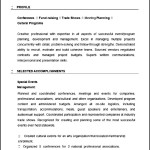


Internal Audit Meeting Agenda :
Internal Audit Meeting Agenda was posted in September 1, 2025 at 1:40 pm. If you wanna have it as yours, please click the Pictures and you will go to click right mouse then Save Image As and Click Save and download the Internal Audit Meeting Agenda Picture.. Don’t forget to share this picture with others via Facebook, Twitter, Pinterest or other social medias! we do hope you'll get inspired by SampleTemplates123... Thanks again! If you have any DMCA issues on this post, please contact us!