Inventory Management Agenda
Inventory Management Agenda: Optimizing for Efficiency and Profitability
Effective inventory management is the cornerstone of a successful supply chain and a vital component of overall business profitability. A well-defined inventory management agenda ensures that a company maintains optimal stock levels, minimizes costs, meets customer demand, and adapts to market fluctuations. This document outlines a comprehensive inventory management agenda, addressing key areas and providing actionable strategies for improvement.
I. Establishing Clear Objectives and Key Performance Indicators (KPIs)
Before implementing any inventory management strategies, it’s crucial to define specific, measurable, achievable, relevant, and time-bound (SMART) objectives. These objectives will serve as a roadmap for inventory control efforts. Examples include:
- Reducing Inventory Holding Costs: Aim to decrease storage, insurance, and obsolescence expenses by a defined percentage within a specified timeframe.
- Improving Order Fulfillment Rate: Strive for a higher percentage of orders fulfilled on time and in full (OTIF) to enhance customer satisfaction.
- Minimizing Stockouts: Reduce the frequency and duration of stockouts to avoid lost sales and maintain customer loyalty.
- Optimizing Inventory Turnover: Increase the number of times inventory is sold and replaced during a given period, indicating efficient inventory utilization.
- Lowering Obsolescence Rates: Reduce the amount of inventory that becomes unusable or outdated due to expiration, damage, or changes in demand.
To track progress towards these objectives, establish key performance indicators (KPIs) such as:
- Inventory Turnover Ratio: Cost of Goods Sold / Average Inventory.
- Days Sales of Inventory (DSI): (Average Inventory / Cost of Goods Sold) x 365.
- Stockout Rate: (Number of Stockouts / Total Number of Orders) x 100.
- Fill Rate: (Number of Orders Fulfilled / Total Number of Orders) x 100.
- Holding Costs as a Percentage of Revenue: (Total Holding Costs / Total Revenue) x 100.
II. Inventory Forecasting and Demand Planning
Accurate forecasting is essential for maintaining optimal inventory levels. Implementing a robust demand planning process involves:
- Historical Data Analysis: Analyzing past sales data, seasonality trends, and promotional impacts to identify patterns and predict future demand.
- Collaborative Forecasting: Engaging with sales, marketing, and other departments to gather insights and incorporate market intelligence into forecasts.
- Statistical Forecasting Techniques: Utilizing statistical methods like moving averages, exponential smoothing, and regression analysis to generate accurate demand forecasts.
- Demand Sensing: Employing real-time data from point-of-sale (POS) systems, social media, and other sources to detect shifts in demand and adjust forecasts accordingly.
- Forecast Accuracy Measurement: Regularly evaluating the accuracy of forecasts using metrics like Mean Absolute Deviation (MAD) and Mean Absolute Percentage Error (MAPE) to identify areas for improvement.
III. Inventory Control Techniques
Effective inventory control techniques are vital for preventing stockouts, minimizing excess inventory, and optimizing inventory flow. Key strategies include:
- ABC Analysis: Categorizing inventory items based on their value and consumption rate (A items: high value, low quantity; B items: moderate value and quantity; C items: low value, high quantity). Focus control efforts on A items.
- Economic Order Quantity (EOQ): Calculating the optimal order quantity to minimize total inventory costs (ordering costs and holding costs).
- Just-in-Time (JIT) Inventory: Receiving materials only when they are needed in the production process, minimizing inventory holding costs and waste.
- Vendor-Managed Inventory (VMI): Allowing suppliers to manage inventory levels at the customer’s location, improving supply chain efficiency and reducing stockouts.
- Safety Stock Management: Maintaining a buffer of inventory to protect against unexpected demand fluctuations and supply chain disruptions. Determine optimal safety stock levels based on lead time variability and desired service levels.
IV. Inventory Management Technology
Implementing appropriate inventory management technology can significantly improve efficiency, accuracy, and visibility. Consider the following:
- Inventory Management Software: Utilizing software to track inventory levels, manage orders, generate reports, and automate inventory processes.
- Barcode Scanners and RFID Technology: Employing barcode scanners and RFID technology to improve data accuracy and speed up inventory tracking.
- Warehouse Management System (WMS): Implementing a WMS to optimize warehouse operations, including receiving, put-away, picking, packing, and shipping.
- Enterprise Resource Planning (ERP) System: Integrating inventory management with other business functions (e.g., finance, sales, manufacturing) through an ERP system.
- Cloud-Based Inventory Management: Leveraging cloud-based solutions for enhanced accessibility, scalability, and collaboration.
V. Inventory Auditing and Cycle Counting
Regular inventory audits and cycle counting are essential for maintaining data accuracy and identifying discrepancies. Implement the following:
- Physical Inventory Audits: Conducting periodic physical counts of all inventory items to verify the accuracy of inventory records.
- Cycle Counting: Regularly counting a small subset of inventory items to identify and correct errors on an ongoing basis.
- Root Cause Analysis: Investigating the causes of inventory discrepancies and implementing corrective actions to prevent future errors.
- Inventory Reconciliation: Reconciling inventory records with physical counts and investigating any discrepancies.
- Implementing Standard Operating Procedures (SOPs): Developing clear SOPs for inventory receiving, storage, picking, packing, and shipping to minimize errors.
VI. Supply Chain Optimization
Inventory management is intrinsically linked to the broader supply chain. Optimizing the supply chain can significantly improve inventory efficiency. Key areas of focus include:
- Supplier Relationship Management: Building strong relationships with suppliers to improve communication, collaboration, and supply chain visibility.
- Lead Time Reduction: Reducing lead times from suppliers to minimize inventory holding costs and improve responsiveness to demand.
- Transportation Optimization: Optimizing transportation routes and modes to reduce transportation costs and delivery times.
- Warehouse Layout Optimization: Optimizing warehouse layout and storage methods to improve efficiency and reduce handling costs.
- Demand Collaboration: Sharing demand forecasts and inventory information with suppliers and customers to improve supply chain coordination.
VII. Continuous Improvement
Inventory management is an ongoing process that requires continuous improvement. Regularly review and evaluate inventory management practices to identify areas for optimization. This includes:
- Data Analysis: Analyzing inventory data to identify trends, patterns, and opportunities for improvement.
- Performance Monitoring: Regularly monitoring KPIs to track progress towards inventory management objectives.
- Process Improvement: Implementing process improvements to streamline inventory management activities and reduce costs.
- Employee Training: Providing ongoing training to employees on inventory management best practices and technology.
- Benchmarking: Comparing inventory management performance against industry benchmarks to identify areas for improvement.
By implementing this comprehensive inventory management agenda, companies can optimize their inventory levels, reduce costs, improve customer satisfaction, and gain a competitive advantage in the marketplace.
 1050×772 inventory management mondaycom from monday.com
  600×730 management agenda examples from www.examples.com
 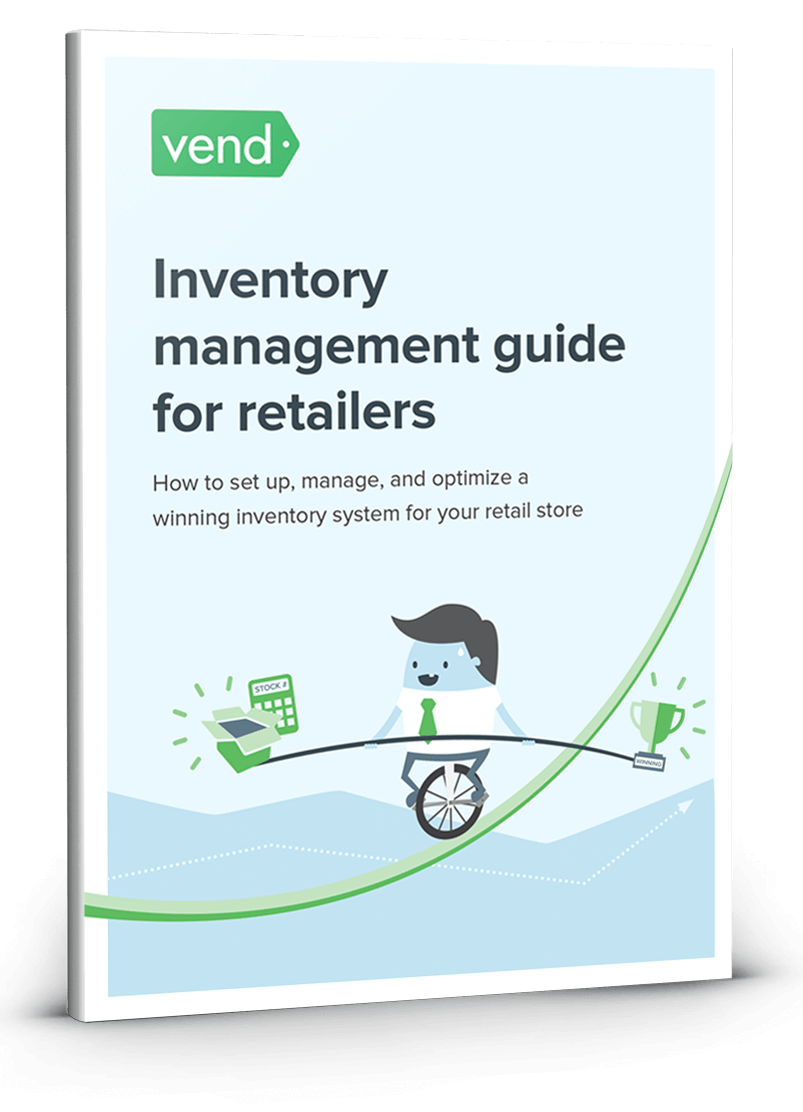 803×1112 complete retail inventory management guide pos vend from www.vendhq.com



Inventory Management Agenda :
Inventory Management Agenda was posted in July 11, 2025 at 3:58 pm. If you wanna have it as yours, please click the Pictures and you will go to click right mouse then Save Image As and Click Save and download the Inventory Management Agenda Picture.. Don’t forget to share this picture with others via Facebook, Twitter, Pinterest or other social medias! we do hope you'll get inspired by SampleTemplates123... Thanks again! If you have any DMCA issues on this post, please contact us!