Gratitude Practice Agenda Format
Crafting a Meaningful Gratitude Practice Agenda
Developing a consistent gratitude practice can be transformative, fostering happiness, resilience, and improved relationships. However, simply knowing gratitude is important isn’t enough. A structured agenda helps turn good intentions into a sustained habit. This guide outlines various components and considerations for creating a personalized gratitude practice agenda.
Understanding Your Gratitude Goals
Before diving into specific techniques, clarify your “why.” What do you hope to achieve with a gratitude practice? Common goals include:
- Increased Happiness & Positivity: Shifting focus from negativity to positive aspects of life.
- Improved Mental Wellbeing: Reducing stress, anxiety, and symptoms of depression.
- Enhanced Relationships: Appreciating loved ones and strengthening bonds.
- Greater Resilience: Building mental fortitude to cope with challenges.
- Increased Mindfulness: Cultivating present-moment awareness and appreciation.
- Better Sleep: Ending the day with positive thoughts leading to more restful sleep.
Identifying your goals will inform the techniques you choose and the frequency with which you practice.
Choosing Gratitude Techniques
The beauty of gratitude practice lies in its adaptability. Experiment with different techniques to find what resonates with you. Here are some popular options:
- Gratitude Journaling: This classic method involves regularly writing down things you’re grateful for. Aim for specificity; instead of writing “I’m grateful for my family,” write “I’m grateful that my sister called me today to check in.”
- Gratitude Meditation: During meditation, focus on people, experiences, or things you appreciate. Visualize these with vivid detail and allow the feeling of gratitude to wash over you. Guided gratitude meditations are readily available online.
- Gratitude Letters: Write a heartfelt letter expressing your appreciation to someone who has positively impacted your life. Deliver the letter in person or mail it for an even greater impact.
- Gratitude Visits: Go a step further than a letter and personally visit someone to express your gratitude. This can be incredibly meaningful for both you and the recipient.
- Gratitude Affirmations: Start your day by repeating positive affirmations that focus on gratitude. Examples include: “I am grateful for the opportunities in my life,” or “I am thankful for the love and support I receive.”
- Gratitude Jar: Throughout the day, write down things you are grateful for on small pieces of paper and place them in a jar. At the end of the week or month, read through the notes to reflect on the abundance in your life.
- Mental Subtraction: Imagine your life without something you value (e.g., your health, a relationship, your job). This exercise can heighten your appreciation for what you have.
- Savoring: Consciously focus on and appreciate positive experiences as they happen. Pay attention to the details, engage your senses, and allow yourself to fully enjoy the moment.
- Gratitude Before Sleep: Before drifting off to sleep, mentally list three to five things you are grateful for from the day. This can improve sleep quality and overall mood.
Structuring Your Gratitude Practice Agenda
The following elements are crucial for a well-structured gratitude agenda:
- Frequency & Timing: Decide how often you’ll practice gratitude (daily, weekly, etc.) and at what time of day. Consistency is key. Many find that practicing gratitude in the morning sets a positive tone for the day, while evening practices can promote relaxation and better sleep.
- Technique Selection: Choose one or more gratitude techniques to incorporate into your agenda. Consider varying your techniques to prevent boredom and keep things fresh.
- Duration: Determine how long each gratitude session will last. Even five minutes of focused gratitude can be beneficial.
- Environment: Create a conducive environment for your practice. Find a quiet and comfortable space where you can focus without distractions.
- Prompts & Guidance: If you’re using journaling or meditation, consider using prompts to guide your reflections. For example, “What are three things that made me smile today?” or “Who are three people I appreciate and why?”
- Tracking & Reflection: Keep track of your gratitude practice. Note what techniques you used, how you felt, and any insights you gained. This helps you monitor your progress and identify what works best for you. A simple notebook or a dedicated app can be used for tracking.
- Flexibility & Adaptation: Life happens. Be prepared to adjust your agenda as needed. If you miss a session, don’t get discouraged. Simply pick up where you left off. Experiment with different techniques and times to find what best fits your lifestyle.
- Accountability: Sharing your gratitude practice with a friend or family member can provide accountability and support. You can also find online communities dedicated to gratitude practice.
Example Gratitude Practice Agendas
Here are a few example agendas to illustrate how you can structure your practice:
- Daily Morning Gratitude: 5 minutes of gratitude journaling, focusing on three things you are grateful for from the previous day.
- Weekly Gratitude Letter: Write a heartfelt gratitude letter to a different person each week, expressing your appreciation for their positive impact on your life.
- Evening Gratitude Meditation: Before bed, spend 10 minutes practicing a guided gratitude meditation, focusing on things you are thankful for in your life.
- Mindful Gratitude Throughout the Day: Intentionally savor at least one experience each day, paying close attention to the details and feeling grateful for the moment.
Sustaining Your Gratitude Practice
The key to reaping the long-term benefits of gratitude is consistency. Here are some tips for sustaining your practice:
- Make it a Habit: Integrate your gratitude practice into your daily or weekly routine, just like brushing your teeth or exercising.
- Start Small: Don’t try to do too much too soon. Begin with a simple practice and gradually increase the duration or frequency as you feel comfortable.
- Be Patient: It takes time to develop a habit and experience the full benefits of gratitude. Don’t get discouraged if you don’t see immediate results.
- Find Joy in the Process: Gratitude should be a pleasurable experience. If you’re not enjoying it, experiment with different techniques until you find something that resonates with you.
- Remind Yourself of the Benefits: When you’re feeling unmotivated, remind yourself of the positive impact gratitude can have on your life.
By creating a structured and personalized gratitude practice agenda, you can cultivate a habit of appreciation that enriches your life and fosters greater happiness and wellbeing.
 1011×1414 hey cindy artist illustrator explorer loves creating pretty from www.ohheycindy.com
  683×1024 start gratitude practice improve life from apenandapurpose.com
 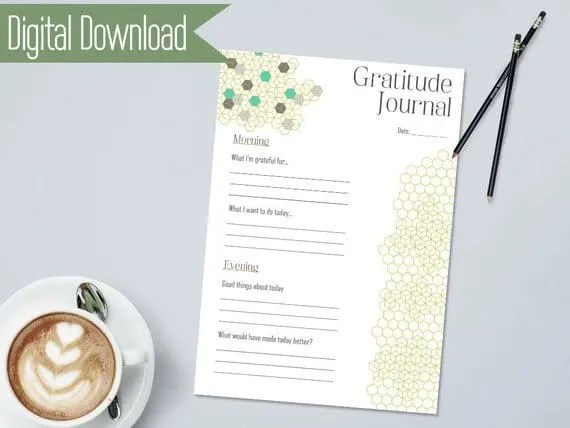 570×428 super simple ways practice gratitude fall reasons from justbrightideas.com
  1025×669 weekly gratitude practice change life printable from spaceandquiet.com
  800×531 practice gratitude stock illustration illustration graphics from www.dreamstime.com
  1588×2056 establishing gratitude practice handout etsy from www.etsy.com
  735×588 gratitude planner insert gratitude printable daily etsy planner from www.pinterest.com.mx




Gratitude Practice Agenda Format :
Gratitude Practice Agenda Format was posted in June 23, 2025 at 3:28 pm. If you wanna have it as yours, please click the Pictures and you will go to click right mouse then Save Image As and Click Save and download the Gratitude Practice Agenda Format Picture.. Don’t forget to share this picture with others via Facebook, Twitter, Pinterest or other social medias! we do hope you'll get inspired by SampleTemplates123... Thanks again! If you have any DMCA issues on this post, please contact us!