Emotional Sample Letter Of Resignation
Here’s an HTML formatted sample resignation letter emphasizing emotional connection and gratitude, aimed at a strong positive impact: “`html
Dear [Manager’s Name],
It’s difficult to find the right words, as these past [Number] years/months here at [Company Name] have meant more to me than I can easily express. I’m writing to inform you that I will be resigning from my position as [Your Job Title], with my last day of employment being [Your Last Day of Employment].
This wasn’t a decision I came to lightly. In fact, it’s been weighing on me for some time. [Company Name] isn’t just a place where I’ve worked; it’s a place where I’ve grown, learned, and formed relationships that I truly cherish. Leaving feels a bit like saying goodbye to a second family.
I remember vividly when I first walked through these doors, feeling both excited and utterly overwhelmed. Everyone, especially you, [Manager’s Name], welcomed me with open arms and a genuine willingness to guide me. I’m eternally grateful for the opportunities you’ve given me to [mention a specific opportunity or project – e.g., “lead the X project,” “develop my skills in Y,” “represent the company at Z”]. These experiences have shaped me both professionally and personally, and I know they will continue to benefit me in whatever path I choose.
Specifically, I want to thank you for [mention a specific quality of the manager or a specific instance where they supported you – e.g., “your unwavering belief in my potential,” “your patience in guiding me through challenging situations,” “creating an environment where I felt safe to take risks”]. That kind of support is rare and invaluable, and I know I wouldn’t be where I am today without it.
I’ve also been incredibly fortunate to work alongside such a talented and dedicated team. The camaraderie, the shared laughter, and the unwavering support we offered each other, especially during challenging times, have created bonds I deeply value. I’ll genuinely miss our daily interactions, brainstorming sessions, and even the occasional office mishaps that turned into hilarious anecdotes.
My decision to leave is driven by a desire to [explain, vaguely but positively, your reason for leaving – e.g., “pursue a long-held personal aspiration,” “explore new avenues for growth and development,” “dedicate more time to a different area of my life”]. This is a path I feel compelled to explore at this time, and while it’s exciting, it also comes with a tinge of sadness knowing I’m leaving behind such a positive and supportive environment.
I want to assure you that my commitment to [Company Name] remains strong until my last day. I am fully dedicated to ensuring a smooth transition and am happy to assist in any way possible to train my replacement or complete any outstanding tasks. Please let me know how I can best support the team during this period.
Thank you, from the bottom of my heart, for everything. Thank you for the opportunities, the guidance, the support, and the friendships. I will always look back on my time at [Company Name] with fondness and gratitude. I truly believe in the company’s mission and its potential for continued success, and I’ll be cheering you on from afar.
I hope we can stay in touch. I would welcome the opportunity to connect on [LinkedIn/other platform] or grab a coffee sometime in the future.
With sincere appreciation,
[Your Name]
“` **Explanation of Key Elements & Why They Work:** * **Authenticity:** The letter prioritizes genuine emotion. It doesn’t feel like a generic template because it includes specific memories and acknowledgements. Avoid overly flowery language; sincerity is key. * **Gratitude as the Focus:** The dominant tone is gratitude. It consistently highlights the positive aspects of the experience and expresses appreciation for the opportunities received. This leaves a lasting positive impression. * **Specific Examples:** The letter avoids generalities. Instead of saying “Thank you for your support,” it mentions a *specific* instance where the manager or the company supported you (e.g., “Thank you for your patience in guiding me through the Alpha project’s challenges.”). This makes the gratitude feel more meaningful and personal. * **Human Connection:** It acknowledges the relationships formed and the personal impact of the job. The mention of missing the team and the shared experiences creates a sense of loss, reinforcing the genuine bond. * **Positive Framing of Departure:** The reason for leaving is framed positively, focusing on personal growth or new opportunities rather than dissatisfaction. This avoids negativity and maintains the overall positive tone. The explanation remains relatively vague to avoid oversharing or burning bridges. * **Commitment to Transition:** Offering assistance with the transition demonstrates professionalism and continued dedication. This reinforces the positive image and shows respect for the company. * **Desire to Stay Connected:** Expressing a desire to stay in touch leaves the door open for future networking and collaboration. It strengthens the positive relationship and demonstrates that you value the connections you’ve made. * **Sincerity Over Formality:** While maintaining professionalism, the language is warmer and more personal than a standard resignation letter. It emphasizes genuine emotions and heartfelt appreciation. * **Avoiding Negativity (Critical):** The letter *completely avoids* any negative comments or criticisms about the company, the management, or the work environment. This is crucial for maintaining a positive relationship and avoiding potential future issues. **Important Considerations:** * **Know Your Audience:** Adapt the language and tone to match your relationship with your manager and colleagues. If you have a more formal relationship, you may need to adjust the level of emotional expression. * **Be Honest (Within Limits):** While framing your departure positively, be truthful about your reasons for leaving. Avoid providing overly detailed or potentially controversial explanations. * **Proofread Carefully:** Ensure the letter is free of grammatical errors and typos. This demonstrates professionalism and attention to detail. * **Consider Timing:** Submit the letter with sufficient notice (usually two weeks) and be prepared to discuss your departure with your manager. * **Don’t Overdo It:** While the goal is to express emotion, avoid being overly sentimental or dramatic. Keep the tone genuine and heartfelt, but maintain a professional demeanor. * **Reflect on Your Experience:** Before writing the letter, take some time to reflect on your time at the company and identify the specific things you are grateful for. This will help you write a more meaningful and authentic letter. This type of letter is best suited for situations where you have genuinely enjoyed your time at the company and have built strong relationships. It’s a way to leave on a high note and maintain positive connections for the future. If your experience was negative, a more standard, neutral resignation letter is more appropriate. “`
 724×1024 heartfelt resignation letter template collection letter template from simpleartifact.com
  600×730 letter resignation heartfelt sample resignation letter from resignationletterr.blogspot.com
  600×730 heartfelt resignation letters sample format from www.template.net
  1240×1754 resignation letter examples from www.examples.com
  600×730 heartfelt resignation letter template word format from www.template.net
  600×730 emotional resignation letter boss sample resignation letter from resignationletterr.blogspot.com
  816×1056 heartfelt resignation letter sample letter template collection from simpleartifact.com
  756×970 heartfelt resignation letter template from lesboucans.com


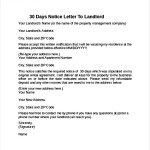
Emotional Sample Letter Of Resignation :
Emotional Sample Letter Of Resignation was posted in September 4, 2025 at 11:31 am. If you wanna have it as yours, please click the Pictures and you will go to click right mouse then Save Image As and Click Save and download the Emotional Sample Letter Of Resignation Picture.. Don’t forget to share this picture with others via Facebook, Twitter, Pinterest or other social medias! we do hope you'll get inspired by SampleTemplates123... Thanks again! If you have any DMCA issues on this post, please contact us!