Business Plan Template For Art Galleries
Art Gallery Business Plan Template: A Blueprint for Success
Starting an art gallery is a passion project, blending a love for art with entrepreneurial drive. However, passion alone isn’t enough. A well-structured business plan is the cornerstone of a successful gallery, providing a roadmap to navigate the complexities of the art market and achieve long-term viability. This template outlines the essential components of a comprehensive business plan tailored specifically for art galleries.
1. Executive Summary
The executive summary is a brief overview of your entire business plan. It should be concise and compelling, highlighting the key aspects of your gallery and its potential for success. Include:
- Gallery Mission: A clear statement of your gallery’s purpose and values. What kind of art will you showcase? What audience are you trying to reach?
- Gallery Concept: A concise description of your gallery’s unique selling proposition. What makes it different from other galleries? Is it the focus on emerging artists, a specific medium, a unique curatorial vision, or a community engagement strategy?
- Target Market: Who are your ideal customers? Consider demographics, income levels, art preferences, and buying habits.
- Financial Highlights: Briefly summarize your projected revenues, expenses, and profitability. Mention any funding requirements or investment opportunities.
- Management Team: Introduce the key personnel and their relevant experience.
2. Company Description
This section provides a detailed overview of your art gallery, its structure, and its objectives. Include:
- Gallery Name and Legal Structure: Specify the name of your gallery and its legal structure (e.g., sole proprietorship, partnership, LLC, corporation).
- Mission and Vision: Elaborate on your gallery’s mission and vision statements. What impact do you aspire to have on the art world and your community?
- Location and Facilities: Describe the location of your gallery and the size and layout of your space. Highlight any unique features or amenities. Consider accessibility for all patrons.
- Gallery History (if applicable): If your gallery has a history, briefly describe its origins and evolution.
- Goals and Objectives: Define your short-term and long-term goals. What do you hope to achieve in the first year, three years, and five years? Be specific and measurable (e.g., increase sales by 20%, expand online presence by 50%, host a specific number of exhibitions).
3. Market Analysis
Understanding the art market is crucial for success. This section should demonstrate your knowledge of the art world and your target audience.
- Industry Overview: Provide an overview of the art market, including current trends, growth rates, and key players. Research national and regional art market statistics.
- Target Market Analysis: Describe your ideal customer in detail. Analyze their demographics, psychographics, and purchasing behavior. Where do they buy art? What kind of art do they collect? What are their price points?
- Competitive Analysis: Identify your direct and indirect competitors. Analyze their strengths and weaknesses. How will you differentiate yourself from the competition? Consider factors such as pricing, artist selection, marketing strategies, and customer service.
- SWOT Analysis: Conduct a SWOT (Strengths, Weaknesses, Opportunities, Threats) analysis to identify your gallery’s internal strengths and weaknesses, as well as external opportunities and threats.
4. Products and Services
This section outlines the art and services you will offer to your customers.
- Art Selection: Describe the type of art you will showcase (e.g., contemporary art, photography, sculpture). Explain your curatorial vision and how you will select artists. What criteria will you use to evaluate artwork?
- Artist Representation: Explain your approach to working with artists. Will you offer exclusive representation? What percentage commission will you charge? How will you support your artists’ careers?
- Exhibitions and Events: Describe the types of exhibitions and events you will host (e.g., solo shows, group shows, artist talks, opening receptions). How frequently will you hold exhibitions?
- Additional Services: Will you offer additional services such as art consulting, framing, appraisal services, or installation services?
- Online Sales: Describe your online sales strategy. Will you have an e-commerce website? Will you use online marketplaces?
5. Marketing and Sales Strategy
This section details how you will attract customers and generate sales.
- Marketing Plan: Outline your marketing strategies. Consider both online and offline marketing channels.
- Website and Social Media: Describe your website and social media strategy. How will you use these platforms to promote your gallery and artists?
- Public Relations: How will you generate media coverage for your gallery and exhibitions?
- Advertising: Will you advertise in art magazines, newspapers, or online?
- Email Marketing: How will you build and utilize an email list to communicate with potential clients?
- Partnerships: Will you partner with other businesses or organizations to cross-promote your gallery?
- Sales Strategy: Describe your sales process. How will you interact with customers? What strategies will you use to close sales?
- Pricing Strategy: How will you price your artwork? Consider factors such as artist reputation, medium, size, and market demand.
- Customer Relationship Management (CRM): How will you manage customer relationships and track sales?
6. Management Team
This section introduces the key personnel involved in running the gallery and highlights their qualifications and experience.
- Organizational Structure: Describe the organizational structure of your gallery.
- Management Team Profiles: Provide detailed profiles of each member of the management team, including their education, experience, and relevant skills.
- Advisory Board (if applicable): If you have an advisory board, list its members and their expertise.
7. Financial Plan
This section presents your financial projections and demonstrates the financial viability of your gallery.
- Start-up Costs: List all start-up costs, including rent, renovations, equipment, inventory, and marketing expenses.
- Funding Sources: Describe your funding sources, including personal investment, loans, grants, or investors.
- Projected Income Statement: Prepare a projected income statement for the next three to five years, showing your anticipated revenues, expenses, and net profit.
- Projected Balance Sheet: Prepare a projected balance sheet for the next three to five years, showing your assets, liabilities, and equity.
- Cash Flow Statement: Prepare a projected cash flow statement for the next three to five years, showing your sources and uses of cash.
- Break-Even Analysis: Determine the break-even point for your gallery. How much revenue do you need to generate to cover your expenses?
- Key Financial Ratios: Calculate key financial ratios to assess your gallery’s financial performance.
8. Appendix
Include any supporting documents in the appendix, such as:
- Resumes of management team members
- Letters of support
- Market research data
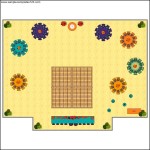
- Floor plan of the gallery
- Artist agreements
- Financial statements
This business plan template serves as a starting point. Tailor it to your specific gallery concept, target market, and financial situation. Remember to update your business plan regularly to reflect changes in the art market and your gallery’s performance. A well-crafted business plan will significantly increase your chances of success in the competitive world of art.
 585×650 art gallery business plan template business plan template from www.heritagechristiancollege.com
  638×903 artist business plan template from pictimilitude.com
  805×900 art gallery business plan template plans template from www.heritagechristiancollege.com
  1275×1650 art gallery business plan template printable business plan from www.heritagechristiancollege.com
  728×942 art gallery business plan template sample art gallery from www.heritagechristiancollege.com
  700×434 art gallery business plan template art gallery artist from www.heritagechristiancollege.com
  555×624 art gallery business plan template business marketing from www.heritagechristiancollege.com


Business Plan Template For Art Galleries :
Business Plan Template For Art Galleries was posted in July 24, 2025 at 12:38 pm. If you wanna have it as yours, please click the Pictures and you will go to click right mouse then Save Image As and Click Save and download the Business Plan Template For Art Galleries Picture.. Don’t forget to share this picture with others via Facebook, Twitter, Pinterest or other social medias! we do hope you'll get inspired by SampleTemplates123... Thanks again! If you have any DMCA issues on this post, please contact us!