Tax Planning Template
“`html
Tax Planning Template: A Comprehensive Guide
Tax planning is a critical aspect of financial management for individuals and businesses alike. A well-structured tax plan can minimize your tax liability, maximize your savings, and ensure compliance with tax laws. A tax planning template serves as a roadmap, guiding you through the process and helping you make informed decisions throughout the year. This guide will outline the key components of a tax planning template and how to effectively use it.
What is a Tax Planning Template?
A tax planning template is a structured framework or document that helps you organize and analyze your financial information with the goal of optimizing your tax situation. It’s not just about preparing your annual tax return; it’s a proactive, year-round process that involves anticipating tax liabilities and taking steps to reduce them legally. The template can be a simple spreadsheet, a dedicated software program, or even a detailed checklist.
Key Components of a Tax Planning Template
A comprehensive tax planning template should include the following elements:
1. Income Tracking
The foundation of any good tax plan is accurate income tracking. This section should capture all sources of income, including:
- Salary/Wages: Document your gross pay, taxes withheld, and any pre-tax deductions.
- Self-Employment Income: Track all revenue generated from freelance work, side hustles, or business activities.
- Investment Income: Record dividends, interest, capital gains, and rental income.
- Retirement Income: Note distributions from 401(k)s, IRAs, pensions, and Social Security.
- Other Income: Include alimony, royalties, prizes, and any other miscellaneous income sources.
2. Expense Tracking
Tracking deductible expenses is just as crucial as tracking income. This section should categorize and record all eligible deductions:
- Itemized Deductions (Schedule A): Include medical expenses, state and local taxes (SALT, subject to limitations), mortgage interest, charitable contributions, and casualty losses.
- Above-the-Line Deductions: These are deductions you can take even if you don’t itemize, such as student loan interest, IRA contributions, health savings account (HSA) contributions, and self-employment tax.
- Business Expenses (Schedule C): If you are self-employed, meticulously track all business-related expenses, including advertising, supplies, travel, and home office expenses.
- Rental Property Expenses (Schedule E): If you own rental properties, track expenses such as mortgage interest, property taxes, insurance, repairs, and depreciation.
3. Credits
Tax credits directly reduce your tax liability, making them highly valuable. Your template should include a section to identify and track potential credits:
- Child Tax Credit: A credit for qualifying children.
- Child and Dependent Care Credit: A credit for expenses paid for childcare so you can work or look for work.
- Earned Income Tax Credit (EITC): A credit for low- to moderate-income individuals and families.
- Education Credits: The American Opportunity Tax Credit and Lifetime Learning Credit for educational expenses.
- Energy Credits: Credits for installing energy-efficient equipment in your home.
4. Tax Planning Strategies
This section outlines potential tax-saving strategies tailored to your specific circumstances. This might involve consulting with a tax professional, but the template can help you organize your thoughts and identify areas for exploration:
- Retirement Contributions: Maximizing contributions to tax-advantaged retirement accounts (401(k), IRA) reduces taxable income.
- Tax-Loss Harvesting: Selling investments at a loss to offset capital gains.
- Charitable Giving: Donating to qualified charities and claiming a deduction.
- Health Savings Account (HSA): Contributing to an HSA and using the funds for qualified medical expenses.
- Business Structuring: Choosing the right business structure (sole proprietorship, LLC, S-corp) to minimize self-employment tax.
- Estate Planning: Implementing strategies to minimize estate taxes.
5. Tax Law Updates
Tax laws are constantly changing. Your template should include a section to track any recent or upcoming changes that may affect your tax liability. Stay updated through reputable sources like the IRS website, tax publications, and professional tax advisors.
6. Important Dates and Deadlines
Missing tax deadlines can result in penalties and interest. Include a calendar or checklist of important dates, such as:
- Estimated Tax Payments: Quarterly deadlines for self-employed individuals and those with significant income not subject to withholding.
- Tax Filing Deadline: The deadline for filing your annual tax return (typically April 15th).
- Extension Deadline: The deadline for filing an extension (typically October 15th).
- Retirement Contribution Deadlines: The deadline for making contributions to certain retirement accounts.
7. Documentation Checklist
Having all necessary documentation readily available simplifies the tax preparation process. Create a checklist of documents you’ll need, such as:
- W-2 Forms: From employers, reporting wages and taxes withheld.
- 1099 Forms: Reporting income from various sources, such as freelance work, interest, dividends, and retirement distributions.
- Receipts and Records: Supporting deductions and credits.
- Prior Year Tax Returns: For reference and comparison.
How to Use a Tax Planning Template Effectively
To maximize the benefits of a tax planning template, follow these steps:
- Choose the Right Template: Select a template that suits your individual needs and complexity. Start with a simple spreadsheet if you have a straightforward tax situation, or consider dedicated tax software if you have more complex finances.
- Populate the Template Regularly: Don’t wait until the end of the year to start tracking your income and expenses. Update the template regularly (e.g., monthly or quarterly) to stay organized and avoid overlooking important information.
- Be Accurate and Detailed: Ensure that all information entered into the template is accurate and complete. Keep supporting documentation for all income, expenses, and credits.
- Review and Analyze: Regularly review and analyze the data in your template to identify potential tax-saving opportunities. Look for deductions you might be missing or strategies you could implement to reduce your tax liability.
- Consult a Tax Professional: While a tax planning template is a valuable tool, it’s not a substitute for professional advice. Consult with a qualified tax advisor or accountant to develop a comprehensive tax plan tailored to your specific circumstances. They can provide personalized guidance, identify complex tax issues, and ensure compliance with all applicable laws.
- Adjust as Needed: Your financial situation and tax laws can change over time. Be prepared to adjust your tax planning template and strategies accordingly.
Conclusion
A well-designed and consistently used tax planning template can be a powerful tool for minimizing your tax burden and maximizing your financial well-being. By proactively tracking your income and expenses, exploring tax-saving strategies, and staying informed about tax law changes, you can take control of your tax situation and achieve your financial goals. Remember to seek professional advice to ensure your tax plan is aligned with your specific needs and circumstances.
“`
 768×993 tax planning spreadsheet regard income tax spreadsheet formula from db-excel.com
 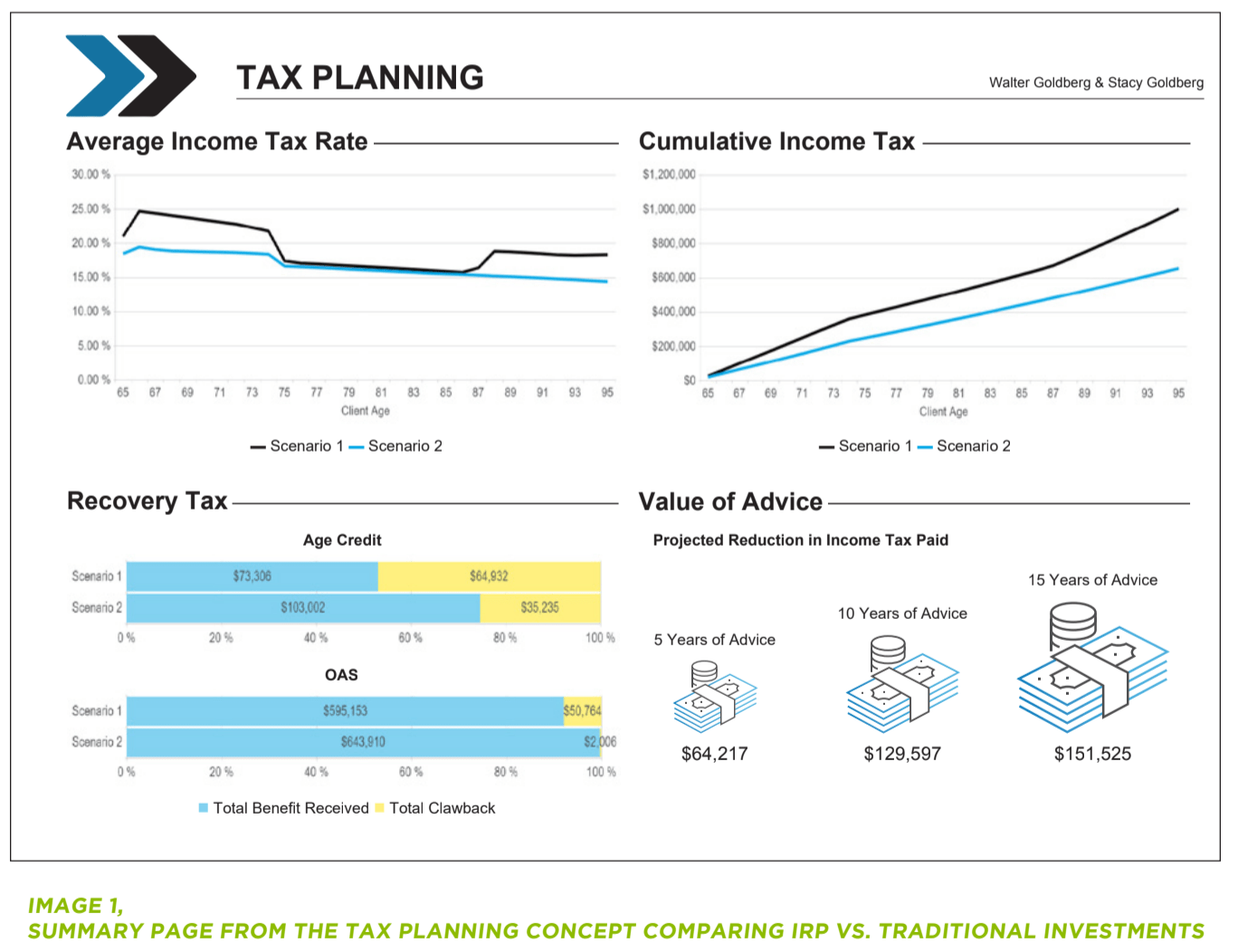 1368×1052 planning concept tax planning razorplan from razorplan.com
  1024×768 tax planning missing piece money incite tax from incitetax.com
  2508×1672 tax planning checklist daily cpa from thedailycpa.com
  3865×2576 tax planning from www.cnbc.com
  1063×950 tax planning worksheet db excelcom from db-excel.com


Tax Planning Template :
Tax Planning Template was posted in May 22, 2025 at 7:47 am. If you wanna have it as yours, please click the Pictures and you will go to click right mouse then Save Image As and Click Save and download the Tax Planning Template Picture.. Don’t forget to share this picture with others via Facebook, Twitter, Pinterest or other social medias! we do hope you'll get inspired by SampleTemplates123... Thanks again! If you have any DMCA issues on this post, please contact us!